According to BBC reporting, the United States has officially refuted claims made by Iranian media suggesting that one of its naval vessels was struck by Iranian missiles while attempting to navigate the Strait of Hormuz. U.S. Central Command (Centcom) issued a statement asserting that “no U.S. Navy ships have been struck” and that American forces are actively engaged in “enforcing the naval blockade on Iranian ports.” This denial came shortly after Fars, a semi-official Iranian news agency, reported that two missiles had impacted a U.S. Navy boat transiting the strait, alleging the vessel had disregarded a warning from Iran’s Navy. Centcom subsequently confirmed that two U.S.-flagged merchant vessels had “successfully transited” through the strategically vital waterway, though specific vessel names were not disclosed. The command further stated that “American forces are actively assisting efforts to restore transit for commercial shipping.”
Earlier statements from Iran’s military had issued a stern warning, indicating an intent to attack any foreign forces entering the strait, with particular emphasis on the “aggressive U.S. army.” A senior Iranian official, speaking to Reuters, elaborated that Iran had fired a warning shot at the U.S. warship to deter its passage into the strait, acknowledging uncertainty regarding any potential damage. Iranian media also reported on Monday that American and Israeli “enemy destroyers” had been prevented from entering the strait. This series of events unfolds against the backdrop of a temporary ceasefire that commenced on April 8, with ongoing discussions aimed at establishing a permanent peace plan between the two nations.
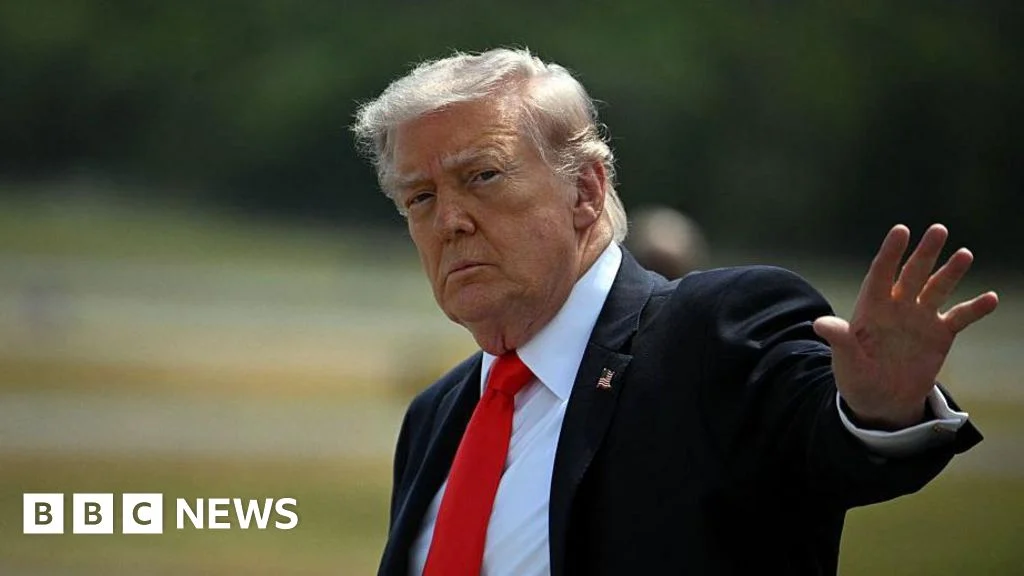
U.S. President Donald Trump had announced earlier on Monday that the United States would initiate efforts to free merchant ships that had been immobilized by Iran’s closure of the critical shipping channel. Trump characterized this initiative, dubbed “Project Freedom,” as a “humanitarian gesture” and vowed that any obstruction would be met with a “forceful” response. Centcom detailed that the operation would involve approximately 15,000 U.S. service personnel, guided-missile destroyers, and over 100 aircraft, while reaffirming the continuation of the U.S. blockade on Iranian ports. The ongoing blockade of Iranian ports by the U.S. has been a significant point of contention, contributing to global economic disruptions.
The closure of the Strait of Hormuz by Iran, a vital artery for oil exports from the Persian Gulf region, has had a cascading effect on global energy markets, leading to increased fuel prices worldwide. Furthermore, the blockade has stranded an estimated 2,000 ships, leaving thousands of sailors in precarious situations. The strait typically handles a substantial portion of global energy trade, with approximately 20% of the world’s oil and liquefied natural gas passing through it annually. The humanitarian toll on the stranded sailors, facing dwindling supplies and potential impacts on their physical and mental well-being, has become a growing concern.
President Trump’s announcement regarding “Project Freedom” came after Iranian state-linked media reported that Tehran had received a response from the U.S. to its most recent peace proposal. According to Iran’s semi-official Tasnim news agency, this response, delivered through Pakistan, was under review by Iranian authorities. The U.S. has not yet formally confirmed its official reply to Iran’s proposal. However, reports indicated that President Trump had conveyed to Israel’s Kan News on Sunday that the proposal was not acceptable to him. The details of Iran’s 14-point peace plan, as reported by Iranian state media, included demands for Washington to withdraw its forces from areas near Iran’s borders, cease its naval blockade of Iranian ports, and halt all hostilities, including Israel’s actions in Lebanon. The plan also stipulated an agreement between the two countries within a 30-day timeframe.
Iranian state media further indicated that the proposal urged both parties to prioritize “ending the war” rather than extending the current ceasefire. Esmaeil Baghaei, a spokesman for Iran’s foreign ministry, was quoted by state media stating that “at this stage, we do not have nuclear negotiations,” addressing a key demand from Washington. Iran has consistently denied pursuing nuclear weapons, maintaining that its nuclear program is solely for peaceful purposes. Nevertheless, the country remains the only non-nuclear-armed state to have enriched uranium to levels approaching weapons-grade. President Trump had confirmed on Saturday the receipt of the latest Iranian peace proposal via his social media platform, Truth Social. He stated his intention to review the plan but expressed skepticism about its acceptability, noting that Iran had “not yet paid a big enough price for what they have done to humanity, and the world, over the last 47 years.”
During a press briefing on Saturday, President Trump mentioned being briefed on “the concept of the deal” and indicated that he would soon receive the precise wording. When questioned by the BBC about the possibility of renewing military strikes against targets within Iran, Trump responded that it was “a possibility” contingent on Iran’s conduct, stating, “If they misbehave. If they do something bad.” He added, “But right now we’ll see.” The U.S. president appeared resolute against a complete withdrawal from the conflict, asserting, “we’re not leaving” and expressing a desire for a resolution that would prevent future escalations. The Iranian state-linked agencies reported that Tehran’s latest proposal was a response to a nine-point U.S. plan that had envisioned a two-month ceasefire. This exchange highlights the complex diplomatic and military dynamics at play in the region.
Recent incidents in the Strait of Hormuz have heightened tensions. The United Kingdom Maritime Transportation Operation (UKMTO) reported on Sunday that a tanker had been struck by an “unknown projectile” within the strait, though the crew was reported to be safe. On Monday, the United Arab Emirates confirmed that a tanker associated with its state-owned oil company, Adnoc, had been hit in the strait without any injuries. Adding another layer to the regional situation, the Pakistani government announced on Monday that 22 crew members from the Iranian container ship Touska, which had been seized by the U.S. the previous month, would be “handed over to the Iranian authorities.” A senior Pakistani official confirmed that 15 of these crew members were transferred to Iranian officials at the Gabd–Rimdan border crossing in Balochistan, though the reason for the non-transfer of the remaining seven was not clarified. The Touska was intercepted en route to an Iranian port as part of the U.S. blockade, with its crew subsequently evacuated to Pakistan. Pakistan described the repatriation of the crew as “a confidence-building measure by the United States of America.”
The ongoing naval operations and the exchange of claims and denials underscore the volatile security environment in the Strait of Hormuz, a critical chokepoint for global energy supplies. The U.S. blockade of Iranian ports, aimed at exerting economic pressure, continues to be a central element of its strategy. The situation remains fluid, with diplomatic efforts and military posturing shaping the interactions between the two nations and impacting regional stability. The international community closely monitors these developments due to their potential implications for global trade and energy security. The U.S. has also threatened shipping firms with sanctions if they are found to be paying tolls to Iran, further complicating maritime operations in the region. President Trump’s decision to cancel a trip by U.S. envoys to Pakistan for talks on the Iran war also signals the complexities of the diplomatic landscape.


