Several United States restaurant chains have recently disclosed slower-than-anticipated sales growth for the latest fiscal quarter, a trend directly linked to the financial strain that elevated gasoline prices are imposing on household budgets. The surge in fuel costs, exacerbated by geopolitical tensions, has pushed average national gas prices to approximately $4.45 per gallon, marking a significant increase of about 41% over the past year, according to data compiled by AAA. In certain regions, particularly California, the price at the pump has surpassed the $6 per gallon mark, creating a substantial financial burden for consumers and consequently impacting restaurants with a significant presence in these high-cost areas.
Analysis from Revenue Management Solutions, a firm specializing in restaurant industry consulting, indicates that the $4 per gallon threshold for gasoline represents a critical tipping point for consumer behavior. The firm's findings suggest that consumers tend to reduce their frequency of dining out as gas prices approach this level. However, once prices cross the $4 per gallon mark, the reduction in restaurant visits intensifies significantly, effectively doubling the impact on the industry.
Further quantitative insights from Revenue Management Solutions highlight the direct correlation between gas prices and restaurant traffic. The consultancy estimates that when average gas prices reach $4.20 per gallon, restaurants can expect approximately 1.5% fewer customer visits. Should prices escalate to $5.10 or higher, fast-food establishments, which often rely on high transaction volumes, could experience a substantial drop of up to 3% in customer traffic. The economic implications are tangible; for a drive-through restaurant processing an average of 300 transactions daily, a $1 increase in gas prices per gallon can lead to a loss of about six customers each day, translating into an estimated $22,000 in lost annual sales.
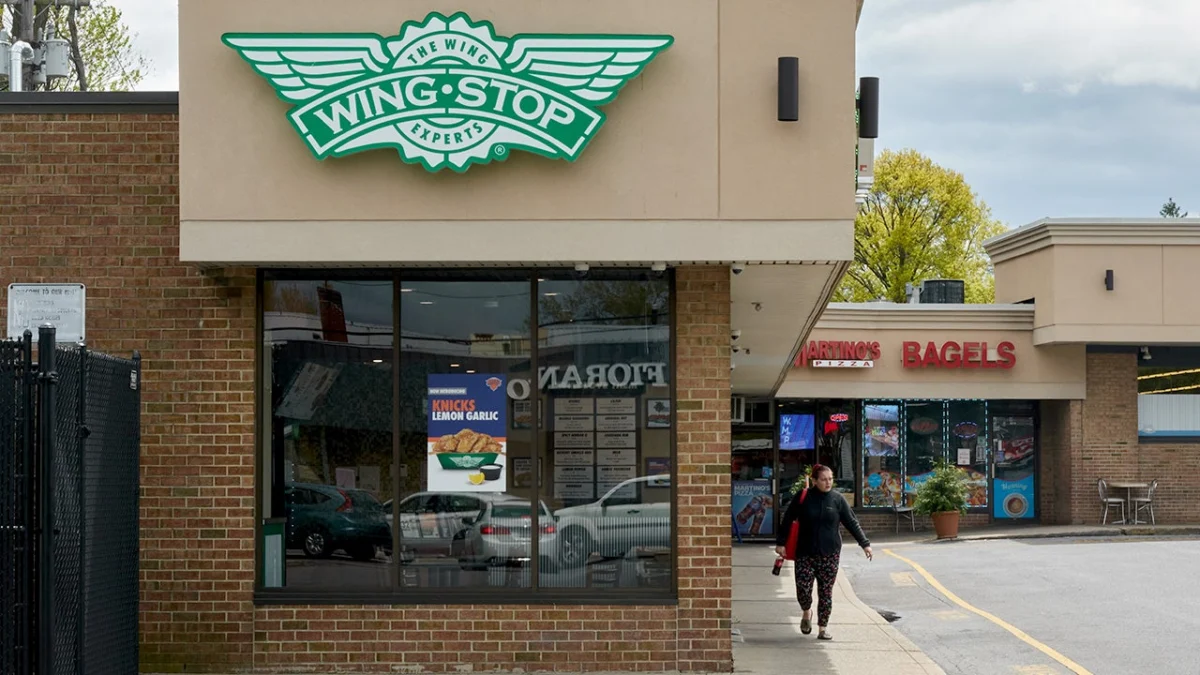
Wingstop, a prominent chicken-wing chain that emphasizes its value proposition, has reported a notable 8.7% decrease in same-store sales for the quarter. The company's CEO, Michael Skipworth, acknowledged the challenging macroeconomic environment during a recent investor call, characterizing it as "extremely difficult for anyone to predict." He further indicated that the chain anticipates continued sales contraction throughout the current year, largely due to the persistent expectation of elevated gas prices.
Domino's Pizza has also observed a shift in competitive dynamics within the industry, with rivals implementing aggressive discounting strategies to attract price-sensitive consumers. Domino's CEO, Russell Weiner, informed investors that competitors have been adopting promotional tactics that were previously within Domino's own strategic playbook. This competitive pressure contributed to Domino's reporting weaker-than-expected same-store sales growth of 0.9% for the latest quarter. While Weiner asserted that Domino's is better positioned than many competitors to absorb and sustain such discounts, the company has revised its sales forecasts downward for the remainder of the year.
Other restaurant chains that managed to achieve positive sales performance in the recent quarter are adopting a cautious outlook moving forward. Chipotle, for instance, reported better-than-expected same-store sales growth of 0.5%. However, the company has maintained a forecast of flat growth for the full year. Chipotle's CFO, Adam Rymer, attributed this cautious stance, in part, to the ongoing uncertainty surrounding future gas price movements.
Starbucks North America division reported a robust 7.1% growth in same-store sales for the quarter. The coffee giant may have indirectly benefited from the broader consumer sentiment, as CEO Brian Niccol suggested that the company attracted lower-income consumers seeking an "indulgence" that felt more accessible. This indicates a potential shift in consumer priorities, where affordable treats become more appealing during periods of economic pressure.
In response to consumer demand for affordability, many restaurants are enhancing their value menu offerings. Taco Bell, a subsidiary of Yum Brands, introduced a value menu with items starting at $3 in January and subsequently reported an 8% increase in same-store sales growth for its U.S. restaurants. Mark Wasilefsky, head of restaurant finance at TD Bank, commented on this trend, noting that the industry is currently witnessing "a record level of value menus."
The broader market sentiment reflects investor concerns about the restaurant sector's resilience amidst the escalating gas prices and broader economic uncertainties. The LSEG U.S. restaurant index has experienced a 5% decline since the commencement of the conflict in Iran, resulting in the erosion of over $40 billion in market capitalization, according to LSEG data. This downturn underscores the market's sensitivity to factors impacting consumer discretionary spending.
Investors and analysts will be closely monitoring upcoming earnings reports for further insights into the impact of these economic pressures. McDonald's, scheduled to report its results on May 7, is a key company to watch. The fast-food giant had previously reported stronger-than-anticipated sales growth in the prior quarter, partly driven by its own successful value menu initiatives, providing a potential benchmark for how major players are navigating the current economic landscape.
The sustained high cost of gasoline continues to exert pressure on consumer spending, forcing a recalibration of household budgets and influencing purchasing decisions across various sectors. The restaurant industry, being highly sensitive to discretionary spending, is particularly exposed to these shifts. As gas prices remain elevated, the industry's ability to maintain sales momentum will likely depend on its capacity to offer compelling value and adapt to evolving consumer priorities.
The ripple effect of high energy costs extends beyond immediate consumer behavior, influencing operational costs for restaurants themselves, including delivery services and supply chain logistics. While some chains have focused on value menus, others may face challenges in absorbing increased operational expenses without impacting menu prices, potentially creating a difficult balancing act in the coming months.
Industry observers are keen to see how different segments of the restaurant market will fare. Drive-through focused establishments and quick-service restaurants, which typically cater to a broader demographic, may be more susceptible to traffic declines compared to casual dining or fine dining establishments that might appeal to consumers with more disposable income. However, even higher-end establishments are not immune to a general slowdown in consumer confidence and spending.
The ongoing volatility in energy markets, coupled with broader inflationary pressures, presents a complex operating environment for restaurant businesses. The strategic decisions made by these companies in the near term, particularly regarding pricing, promotions, and menu innovation, will be crucial in determining their performance and market position as consumers navigate these challenging economic conditions.


