The New York Times has argued in a federal court hearing that the White House is abusing the justice system to intimidate reporters over coverage that angered President Trump, as the newspaper seeks to push back against subpoenas and other measures in a high-stakes dispute over press freedoms. The Times contends that the government actions amount to an escalation in an ongoing effort to deter reporters from pursuing aggressive coverage of the administration. The lede of the filing centers on the allegation that the administration is using the justice system to deter and intimidate reporters who have been at the center of scrutiny, framing the case as a First Amendment issue about news gathering and government access.
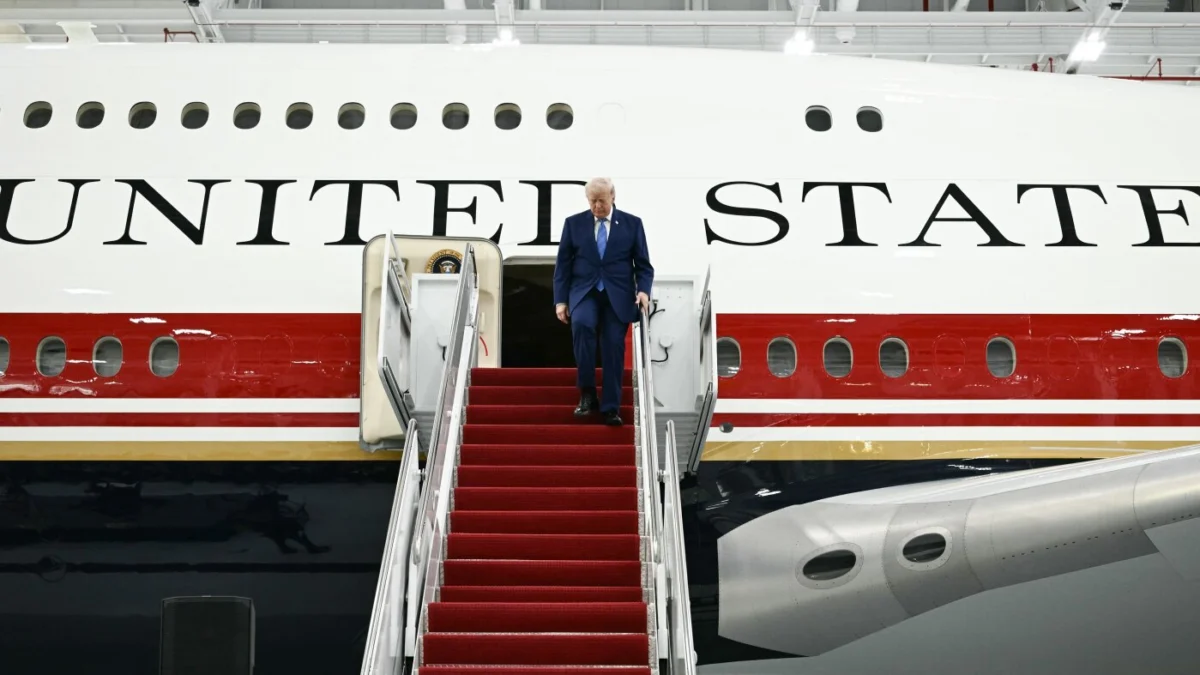
The newspaper notes that the controversial stories focused on security concerns surrounding the new Air Force One jet, a gift from the Qatari government. Legal filings quote the Times alleging that the government’s actions violate basic First Amendment protections for newsgathering and represent a broader series of actions aimed at press intimidation. In the plaintiffs’ view, this is not a routine enforcement matter but an attempt to chill reporting that the administration dislikes.
According to the Times, FBI agents visited several reporters’ homes on the night of Friday, July 10, just two days after the first major story was published, and issued subpoenas compelling testimony before a grand jury. The paper says the FBI also sought records from phone providers for five reporters, the spouses of two reporters, and the mother of one, without initially disclosing the subpoenas to the Times, complicating there action as a last resort rather than as the first step in an investigation.
Times lawyers argue that FBI Director Kash Patel personally oversaw the issuance of the subpoenas while he was at the White House, signaling a high degree of involvement by a senior official in proximity to the Oval Office. The Times emphasizes that the record shows an unusual level of presidentially appointed law-enforcement involvement in a matter connected to a major media organization. The Justice Department has maintained that the actions were appropriate in pursuit of preserving national security and identifying the source of a national security breach, insisting it did not intend to interfere with reporting.
In court, U.S. Attorney Jay Clayton, the chief federal prosecutor for the Southern District of New York, said he had followed all appropriate policies and that the department sought to limit intrusion into press operations. Clayton also noted that he has been nominated to lead the intelligence community, a detail cited by the Times as part of the broader controversy surrounding the case. The government has argued that the subpoenas and investigative steps were justified in the context of national security concerns and a possible breach, not as a punitive measure against journalism.
The Times’ latest filings include references to earlier reporting that the FBI pursued phone records for reporters and family members after obtaining non-disclosure orders, and that the Times was not initially notified of those steps. The Times’ legal team argues these actions violated department policies and created a chilling effect on press freedom. The hearing in Manhattan federal court aims to determine whether the subpoenas should be quashed or modified to protect judicial and First Amendment norms.
The case has drawn in other figures from the administration and legal circles, with the Times noting that Trump has previously pursued litigation against the paper over its coverage. The breach at issue also ties into the broader debate over access, transparency, and the rights of reporters under U.S. law, particularly when national security concerns are invoked. The court is expected to weigh the competing interests of preserving national security information and protecting the rights of journalists in their pursuit of truth.
As the dispute unfolds, journalists, media advocates, and investors will be watching how the court interprets the balance between investigative needs and the protections guaranteed to the press under the First Amendment. The White House has maintained that it is not seeking to intimidate reporters, while the Times argues that the actions reflect a strategic effort to deter coverage and to set a precedent for future government investigations of journalism.
The wider effects for media access in high-profile political coverage remain uncertain, but the case has already sharpened the debate over the proper limits of government inquiry into its coverage and the protections afforded to reporters in the United States.