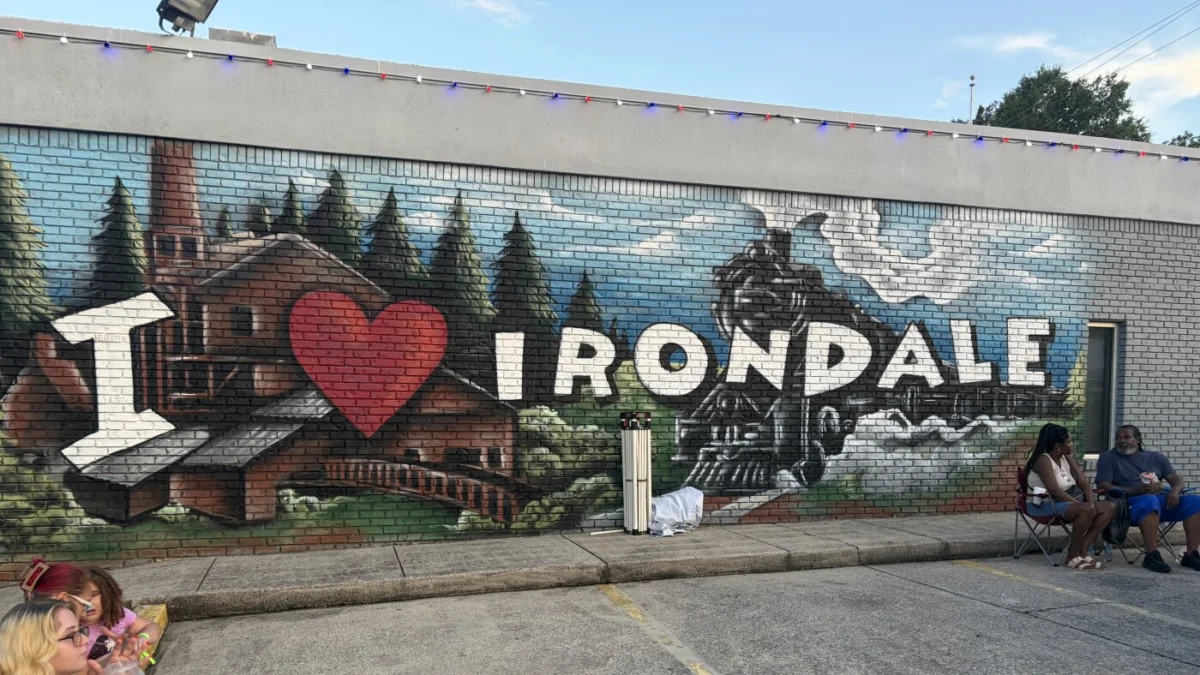
A summer festival in Irondale, Alabama, drew national attention this month after the mayor announced a temporary rename of the city event to “AI Love Irondale Day.” The move, meant to spotlight technology and the growing role of artificial intelligence, triggered a flood of online backlash from residents and listeners, highlighting the broader unease about the data center boom spreading through the South.
The festival, held in Irondale, sits near Birmingham and is a local celebration that draws visitors to a town known for its character and the nearby Whistle Stop Cafe. It was billed as a family-friendly event with robots, drones, and performances, including a drone show finale that formed symbols such as the Statue of Liberty and the American flag. When the mayor, James D. Stewart, announced the rename on Facebook, the response was swift and negative from many attendees and neighbors who linked AI branding to the data center industry.
Comments on the post ranged from concern about environmental impact to worries that the renaming was a calculated ploy to normalize data centers in Irondale’s vicinity. One commenter described the move as a “pep rally” for what many in the South have come to fear about data centers. Several locals told NPR there are no immediate plans for a large data center in Irondale itself, though neighboring Bessemer is reportedly preparing for a multibillion-dollar project that has faced local resistance.
In the days that followed, Stewart released a video saying the renaming was a “play on words” and that the festival would not be about AI or data centers after all. Nevertheless, he confirmed the festival would return to its original name, I Love Irondale, signaling a retreat from the branding shift while preserving the event’s tech-themed elements.
The tension mirrors a broader conversation about data centers’ footprint. Local officials often tout data centers as job creators and sources of tax revenue, yet there is concern about how many permanent jobs such facilities actually deliver once construction is complete. Some residents worry about noise, power usage, and water demands, particularly as data center growth accelerates in many Southern communities.
Amid the debate, Irondale’s council members emphasized that rules could be crafted to accommodate smaller centers if developers express interest, signaling a cautious approach that weighs community impact against potential investment.
The festival’s spectacle—dancers in robot costumes, a live tech-themed backdrop, and a city open to educational demos about AI—underscored how technology is increasingly woven into cultural events. Even as some residents praised Irondale’s identity and setting, others insisted they do not want data centers encroaching on their neighborhoods, underscoring a complex balance between local culture and technology-driven development.
As AI and data-center discussions intensify, Irondale’s episode illustrates how communities confront the promises and costs of a new wave of digital infrastructure, where climate concerns, energy demand, and local identity intersect with potential economic opportunities.


