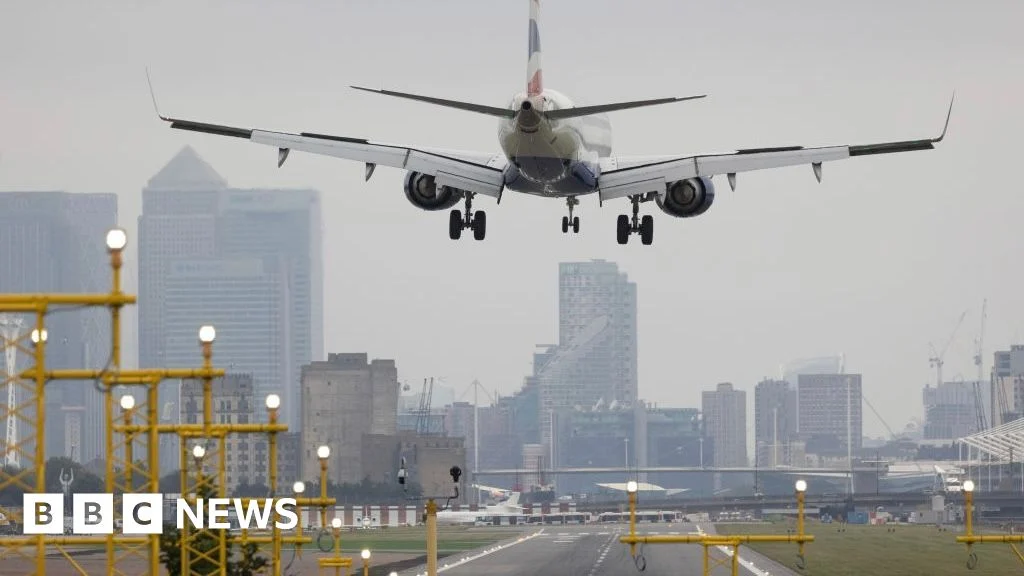
Airlines operating in the United Kingdom may soon be permitted to cancel flights weeks in advance if faced with potential fuel shortages, a move designed to mitigate disruptive last-minute cancellations for passengers. This initiative, part of new contingency plans developed by the government, aims to provide carriers with greater flexibility to manage their schedules proactively. Under these proposed changes, airlines could consolidate multiple flights to the same destination on a given day, re-accommodating passengers onto alternative, similar services. This strategy is intended to conserve fuel by reducing the number of flights operated, particularly on routes with high frequencies.
Transport Secretary Heidi Alexander expressed confidence that the majority of travellers this summer would experience a travel season comparable to the previous year. She acknowledged, however, that airlines might need to make minor adjustments to their flight schedules. The primary objective is to ensure that essential services, such as those to popular holiday destinations with infrequent departures, are prioritized over less critical, high-frequency routes that might cater more to business travellers. Travel journalist Simon Calder illustrated this with an example of Lufthansa's London Heathrow to Frankfurt route, which typically operates ten flights daily. During peak summer periods, when business travel demand is lower, Lufthansa could potentially cancel two or three of these flights, rebooking passengers onto slightly later departures, thereby saving significant amounts of fuel.
While airlines have indicated that they are not currently experiencing widespread fuel supply issues, industry experts have raised concerns about potential disruptions. The ongoing conflict involving Iran has been cited as a factor that could impact jet fuel deliveries, potentially leading to shortages within weeks. The UK relies heavily on imports for its jet fuel, with approximately 65% of its supply normally sourced from the Middle East. However, the closure of the Strait of Hormuz, a critical chokepoint for global oil and gas shipments, could impede these supplies. The International Energy Agency has issued warnings that without increased fuel imports from alternative sources, Europe as a whole could face shortages as early as June.
Minister Alexander stated that there were no current disruptions to the jet fuel supply chain but emphasized that the situation is dynamic and evolving. She assured the public that the government is actively working to secure additional fuel supplies. The UK is increasing its imports of jet fuel from the United States and the west coast of Africa. Furthermore, the government has engaged with four domestic refineries, urging them to maximize their production output to bolster national reserves and ensure a more stable supply chain. These measures are part of a broader strategy to enhance the resilience of the UK's aviation fuel infrastructure against potential global supply shocks.
Historically, airlines have been hesitant to cancel flights in advance due to the stringent rules governing take-off and landing slots at major airports. These slots, particularly at highly congested airports like London Heathrow and Gatwick, are extremely valuable and can be worth tens of millions of pounds when traded between carriers. The standard regulations stipulate that slots allocated for a particular season must be utilized at least 80% of the time to be retained for the following year. Failure to meet this threshold risks forfeiture of these valuable assets to competing airlines. This requirement has, in the past, incentivized airlines to operate flights even with low passenger numbers to maintain their slot portfolio, a practice that contributes to fuel inefficiency and increased operational costs.
The existing framework for slot allocation is primarily governed by the Airports Slot Allocation Regulations 2025, which transposed the European Union's regulations into UK law. Airport Coordination Limited (ACL), an independent body responsible for managing slot allocation at numerous airports both within the UK and internationally, typically oversees these regulations. Carriers have expressed growing apprehension regarding the implications of fuel shortages on their ability to maintain their allocated slots. In response to these concerns, the government had previously issued guidance through ACL in late April, clarifying that airlines would not lose their slots if fuel unavailability prevented them from flying. This earlier clarification aimed to provide some reassurance amidst rising anxieties.
The newly announced plan, however, represents a significant enhancement to this framework. It goes beyond the previous guidance by explicitly allowing airlines to temporarily hand back unused slots while retaining the right to reclaim them in the subsequent year. This provision is designed to empower airlines to proactively cancel flights at least two weeks in advance, enabling them to anticipate and manage potential fuel supply challenges rather than being forced into reactive measures. The government anticipates that this forward-looking approach will substantially reduce the likelihood of last-minute flight cancellations, thereby improving the travel experience for passengers.
Minister Alexander highlighted that the new measures would grant airlines "more flexibility to plan their schedules." She reiterated the government's commitment to minimizing passenger disruption, stating, "The last thing I want is any passenger turning up at the departure gate to receive a text message saying that their flight is cancelled." Airlines UK, the representative body for UK-based carriers, has welcomed this development. Chief Executive Tim Alderslade commented that the plan would enable airlines to "avoid unnecessary flying and continue operating as efficiently as possible while protecting connectivity for passengers and trade." This collaborative approach between the government and the industry aims to balance operational efficiency with the imperative of maintaining robust air connectivity.
Implementing these changes will necessitate new legislation in the form of a statutory instrument, and a brief consultation period is scheduled for the current week. Beyond managing slot allocation, the government is also exploring other avenues to bolster jet fuel supply. One such consideration is the potential authorization of a different specification of aviation fuel, known as Jet A, for use in the UK. Currently, UK and European airlines are mandated to use Jet A1, which has a lower freezing point. While the introduction of Jet A could potentially alleviate supply concerns, challenges related to high demand and existing infrastructure limitations may complicate its widespread adoption. The government is actively assessing the feasibility and implications of incorporating Jet A into the UK's fuel supply mix.
Regarding passenger rights in the event of flight disruptions, existing regulations provide for certain entitlements. When flights experience significant delays or cancellations, passengers are typically eligible for support from their airline. This support can include re-routing to an alternative flight or receiving a full refund. Additionally, airlines are obligated to provide "care and assistance," which encompasses necessities such as food, drink, and overnight accommodation when required due to the disruption. In cases of severe disruption, passengers may also be entitled to financial compensation.
Airlines have reportedly lobbied for fuel shortages to be officially classified as "extraordinary circumstances." Such a classification would typically exempt them from paying compensation to passengers. While this request has not yet been formally accepted in the UK, the European Commission has indicated a potential pathway for airlines to avoid compensation obligations. Specifically, airlines might be excused from providing compensation if they can successfully demonstrate that the disruption was a direct consequence of a jet fuel shortage and that they had taken all reasonable measures to mitigate the impact. This nuanced approach suggests that the burden of proof will lie with the airlines to justify any claims of extraordinary circumstances.
Simon Calder further elaborated on the airlines' responsibilities, explaining that carriers would be expected to make reasonable efforts to ensure passengers reach their booked destinations on the same day, whenever feasible. "It's down to the airline to sort you out," he stated, underscoring the airline's primary role in managing passenger welfare during disruptions. This principle reinforces the existing consumer protection frameworks within the aviation sector, ensuring that passengers are not left without recourse when faced with unforeseen operational challenges that impact their travel plans. The government's proactive measures aim to reduce the frequency of such situations, but the underlying passenger rights remain a critical aspect of air travel regulation.


