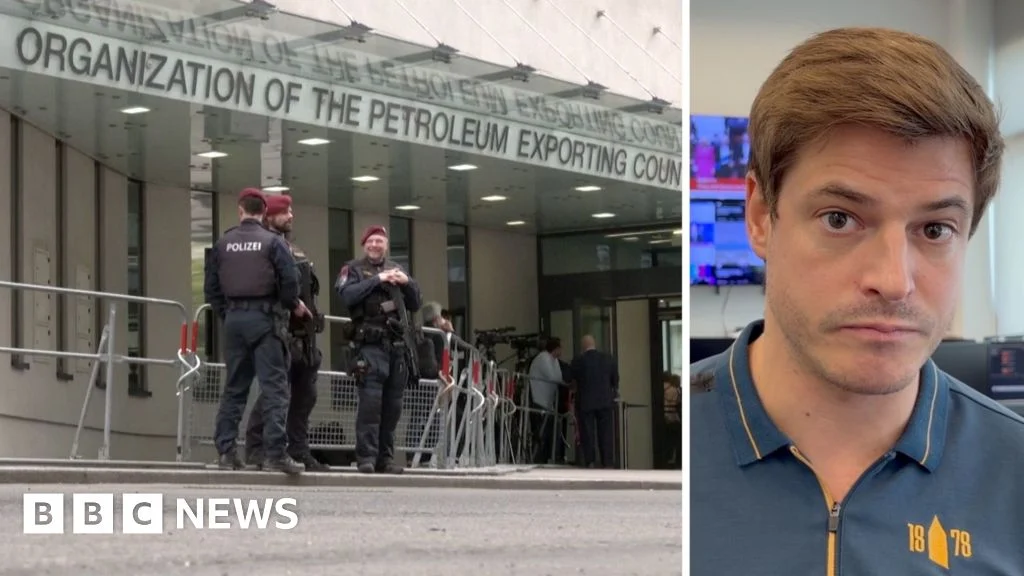
The United Arab Emirates (UAE) has announced its decision to withdraw from the Organisation of Petroleum Exporting Countries (Opec), concluding a membership that spanned nearly 60 years. Opec, an organization primarily comprising Gulf oil exporters, plays a significant role in overseeing oil production and influencing global prices.
The UAE's departure is described as a blow to the group, and its exit could affect consumers' wallets. Historically, Opec has been instrumental in coordinating production levels among its member states to stabilize and influence crude oil prices on the international market. The UAE's move represents a notable development that could alter the strategic landscape of global energy policy formulation and execution.
This decision by the UAE signals a potential shift in the geopolitical and economic dynamics surrounding oil production. For decades, Opec has been a cornerstone of global energy diplomacy. The departure of a key member like the UAE could challenge the group's cohesion and its ability to exert unified influence over the market. This development suggests a potential change in the future direction of oil policy and the effectiveness of such international commodity organizations in the current global climate.
While the specific reasons behind the UAE's decision have not been extensively detailed, such strategic realignments often stem from evolving national interests and differing perspectives on market strategies. Countries may seek greater flexibility in their production decisions or pursue independent strategies that they believe better serve their economic objectives. The UAE's move could signal a desire for more autonomy in managing its oil resources and responding to market opportunities.
The implications of this departure extend beyond the immediate circle of Opec members. Global oil prices, which are sensitive to supply dynamics and geopolitical events, could experience increased volatility. As a major oil producer, the UAE's independent production decisions will now be made outside the framework of Opec quotas and agreements. This could potentially lead to shifts in supply that could affect prices at the pump for consumers in various countries.
Companies operating within the energy sector, from exploration and production firms to refiners and distributors, will need to closely monitor the evolving market conditions. Changes in global supply and price stability can directly impact their profitability, investment decisions, and strategic planning. The UAE's new approach to production could introduce new variables into their risk assessments and operational forecasts.
For investors, the UAE's exit from Opec introduces another layer of complexity to the already dynamic energy markets. Decisions regarding investments in oil and gas companies, energy infrastructure, and related financial instruments may need to be re-evaluated in light of potential shifts in supply, demand, and price trends. The move could also influence the attractiveness of different energy markets and investment vehicles.
Policy makers in countries around the world will also be paying close attention. Nations that are significant consumers of oil will be concerned about the potential impact on energy security and affordability. Governments may need to adjust their energy policies, explore alternative energy sources, or engage in new diplomatic efforts to ensure stable energy supplies and manage price fluctuations.


