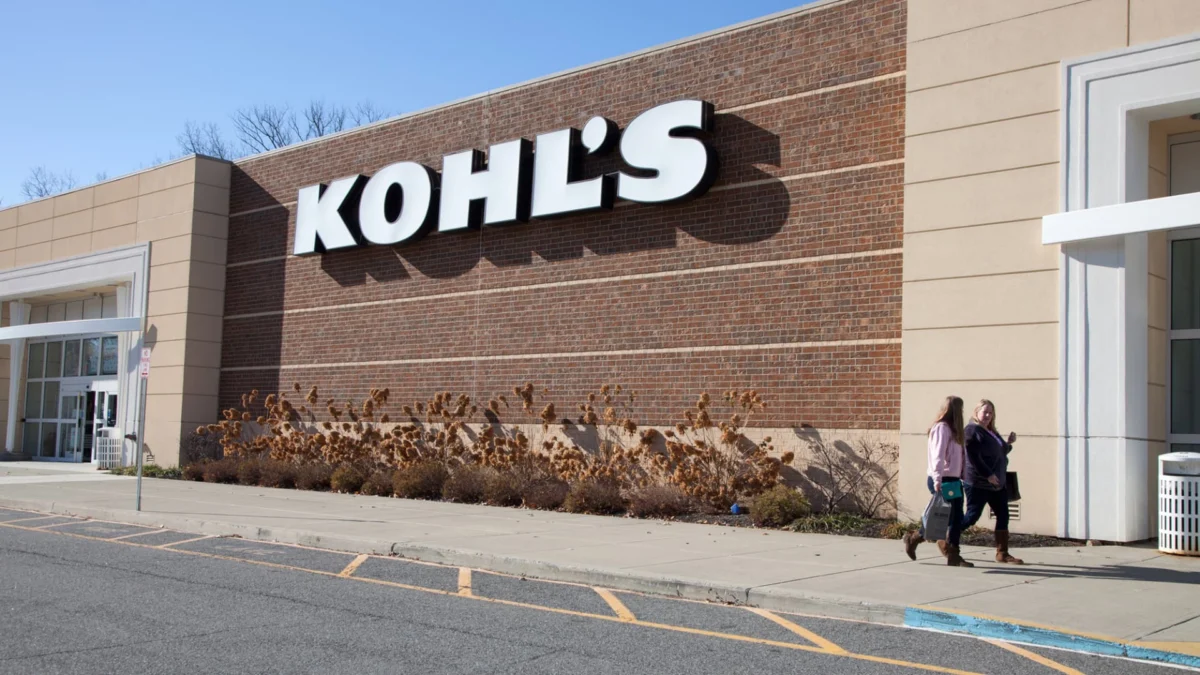
Kohl's announced its first-quarter results for fiscal year 2026 on Thursday, revealing its strongest comparable sales growth in four years, even as the company experienced a decline in revenue. The retailer's stock reacted positively, jumping 20% in morning trading following the announcement.
CEO Michael Bender described the quarter as a period where the company is nearing a growth phase. "We showed that we are managing the business with great discipline, strong expense management, our inventory is much cleaner than it's ever been and the balance sheet continues to show strength," Bender stated in an interview with CNBC. He emphasized that while the trajectory is positive, there remains substantial work ahead.
In the fiscal first quarter, Kohl's reported a 1.7% decrease in net sales and a 1.1% slide in comparable sales. This performance marks an improvement from the prior quarter, when comparable sales had fallen by 2.8%. The company is actively working to turn its business around and reclaim market share.
Financially, Kohl's reported a net loss of $14 million, or 13 cents per share, for the period ending May 2. This compares to a net loss of $15 million, or 13 cents per share, in the same period last year. Revenue for the quarter was $3 billion, down from $3.05 billion in the prior year. These results surpassed Wall Street's expectations, which had projected a loss per share of 19 cents and revenue of $2.99 billion, according to a survey of analysts by LSEG.
Kohl's reaffirmed its full-year financial outlook, anticipating net sales and comparable sales to range from a 2% decrease to flat. The company also expects adjusted earnings per share to be between $1.00 and $1.60.
Bender highlighted positive developments within the company's customer base, noting a "meaningful improvement" among Kohl's cardholders and its proprietary brands. However, he acknowledged the impact of macroeconomic pressures on its core demographic of lower- and middle-income shoppers. "There are families are sitting around the kitchen table right now, trying to make life work, particularly amid the backdrop context of higher energy prices, labor market challenges, and it just means that we have to continue to lean into value more and more and more," Bender said.
In addition to sales and inventory management, Kohl's is focusing on enhancing the in-store customer experience to make shopping more convenient. The company has been navigating declining sales and broader economic challenges, which had led to a stock decline of over 35% year-to-date as of Wednesday's close.
Furthermore, Kohl's confirmed to CNBC that it has applied for tariff refunds and is eligible for approximately $190 million in returns. However, the company has not yet received any of these funds.


