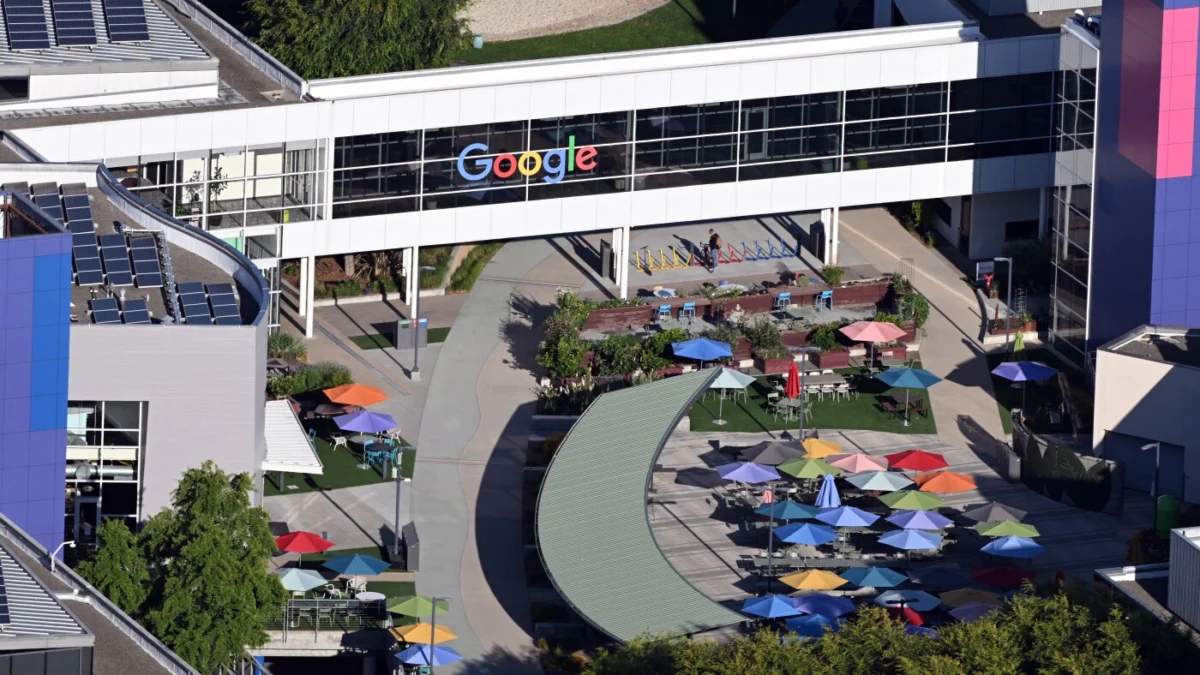
Google Engineer Accused of Profiting from Confidential Data
The U.S. Department of Justice has charged a Google software engineer with commodities fraud, wire fraud, money laundering, and other offenses for allegedly leveraging confidential company information to make substantial profits on a prediction market platform. Michele Spagnuolo, a 36-year-old Italian citizen residing in Switzerland, was arrested on Wednesday in connection with the case, which marks the second known instance of federal criminal charges being filed against an individual for illicit gains on a prediction market site.
According to the federal indictment unsealed by authorities, Spagnuolo, operating under the username “AlphaRaccoon” on Polymarket, placed a series of bets on search trends and outcomes derived from internal Google data. This data, which tracked user searches, provided Spagnuolo with non-public, commercially valuable information. Prosecutors allege that Spagnuolo “knew the outcome of these wagers before the trading public did” due to his access to this confidential material, a stark contrast to the other participants in the trades.
Details of the Alleged Scheme
The indictment details that Spagnuolo wagered a total of approximately $2.7 million across 25 different outcomes within the Google search market on Polymarket. These bets allegedly resulted in a profit of $1.2 million. Among his specific wagers, Spagnuolo reportedly bet nearly $1 million that Bianca Censori, the wife of Kanye West, would not be the most-Googled person of 2025. He also allegedly wagered over $600,000 that Pope Leo XIV would not secure the top spot and placed another bet that the rapper D4vd would become the number one most-Googled individual. This last bet was placed at a time when most Polymarket traders reportedly assigned a “near-zero probability” to D4vd, who has faced murder charges.
Following his alleged winnings, charging documents state that Spagnuolo removed the “AlphaRaccoon” identifier from his Polymarket account once he transferred his profits from his cryptocurrency wallet. The Commodity Futures Trading Commission (CFTC) has also initiated a separate civil case against Spagnuolo, accusing him of violating commodities law.
Spagnuolo has not yet responded to requests for comment. Google has confirmed its cooperation with the federal investigation into Spagnuolo, who has been placed on administrative leave. A spokesperson for Google, Jaclyn Vazquez, stated, “The employee accessed our marketing material using a tool available to all employees, but using such confidential information to place bets is a serious breach of our policies.”
Polymarket’s chief legal officer, Olivia Chalos, issued a statement noting that the platform is the only one to date whose cooperation has led to insider trading charges in the U.S. She emphasized that Polymarket’s use of cryptocurrency for trading makes the platform “transparent, traceable and bad actors leave footprints.”
Prediction Markets and Regulatory Scrutiny
While the legal framework governing prediction markets is less stringent than that for stock markets, the abuse of non-public, confidential information for financial gain, commonly understood as insider trading, remains illegal under federal law. The incident highlights the growing popularity of prediction markets, platforms like Polymarket and Kalshi, which allow users to bet on a wide range of events, from corporate announcements and geopolitical developments to election outcomes.
These platforms have seen a surge in activity, particularly during President Trump’s second term. Online communities, such as those on Discord, actively discuss and identify large or unusual trades, sometimes encouraging others to follow suit. One user on Discord, referring to Spagnuolo’s bets on the most-Googled person before Google’s official release, noted, “AlphaRaccoon has alpha,” using slang for an informational edge in prediction markets. Another user advised, “Check AlphaRaccoon account” for betting guidance.
The case also emerges amid broader regulatory discussions and actions concerning prediction markets. Minnesota recently became the first state to ban such platforms, with state officials characterizing them as gambling operations subject to state gambling rules. In contrast, the Trump administration has viewed platforms like Polymarket and Kalshi as offering a form of “futures contract,” placing them under the purview of the CFTC, which traditionally oversees markets for commodities like grain and oil.
Polymarket’s primary platform, based in Panama, is technically inaccessible to U.S. users. The company previously shut down its U.S. operations in 2022 as part of a settlement with federal regulators over operating without a trading exchange license. Two years later, the FBI investigated the company’s founder, Shayne Coplan, regarding potential violations of that agreement, though the Trump administration later dropped the investigation. Notably, Donald Trump Jr., the president’s eldest son, serves as an advisor to Polymarket and Kalshi and is a partner in 1789 Capital, a significant investor in Polymarket.
President Trump recently stated on Truth Social his intention to allow the prediction market industry to “thrive” by asserting federal regulators’ “exclusive authority” over these sites, indicating a continued federal interest in their oversight. This stance has led to ongoing disputes with state officials over regulatory jurisdiction.
The trend of individuals seeking profits in various aspects of modern life has led to increased scrutiny of online wagers. Sleuths have identified bets that appear unusually confident or too good to be true, sometimes resulting in substantial profits for traders. In a separate incident last month, a U.S. Army Special Forces master sergeant was charged with using classified information regarding the capture of Venezuelan leader Nicolás Maduro to earn over $400,000 on Polymarket.
The Spagnuolo case underscores the potential for misuse of corporate data in prediction markets and highlights the ongoing debate surrounding the regulation and oversight of these evolving financial platforms.


