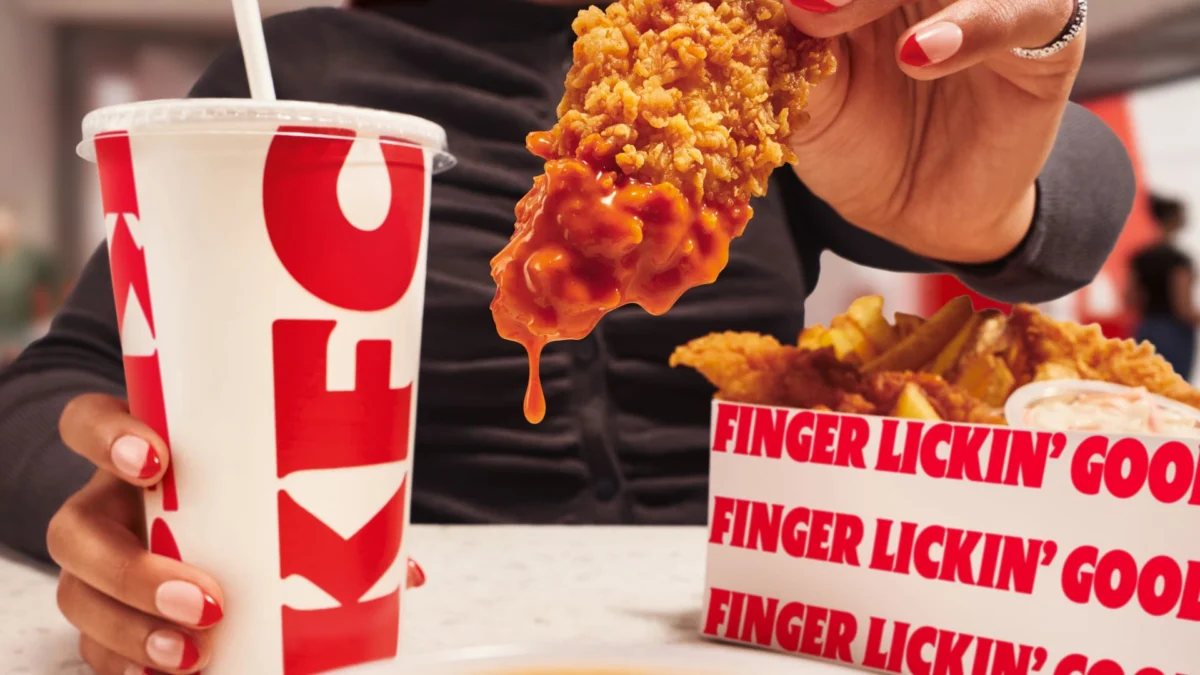
KFC is moving forcefully into boneless chicken and a broader drink repertoire as part of a new strategy designed to win back market share in a fast-changing chicken QSR landscape. The Yum Brands unit is facing intensified competition from upstart chicken concepts and established giants such as McDonald’s, all betting on the continued rise of chicken’s popularity. KFC remains a core growth engine for Yum as the company pursues the sale of its struggling sister chain Pizza Hut, underscoring the broader portfolio realignment.
A centerpiece of the plan is a bold menu revamp that foregrounds boneless options, including an updated version of its tenders. KFC Global CEO Scott Mezvinsky said in a Monday statement announcing the chain’s next chapter that the company sees an opportunity to set the standard for modern chicken in QSR amid a crowded category. The revamp also expands the brand’s sauce pantry and reframes the dining experience to keep guests engaged beyond the meal.
KFC is expanding its boneless offerings and enhancing its tender recipe to ensure that the “biggest, juiciest and crispiest” version remains nonnegotiable, according to KFC Chief Concept Officer Christophe Poirier. The move also widens the sauce lineup to appeal to consumers who enjoy dunking, drenching or drizzling their chicken. The global sauce pantry now exceeds 20 varieties and includes crossover flavors like chimichurri ranch.
Rollouts will begin in the United Kingdom and Ireland this month, with Australia and the United States to follow later this summer and additional markets expected through the year. A new line called Dunked will feature tenders, wings and sandwiches drenched in sauce, already available in South Africa and India, with broader rollouts planned. The beverage program has expanded under a new sub-brand, Kwench by KFC, adding boba refreshers, sparkling lemonades and iced coffees, starting in select Irish and British locations and expanding to Australia and Canada later in the year.
KFC’s store design is part of the overhaul, with immersive locations intended to keep guests engaged beyond the meal. A first open-concept restaurant in McKinney, Texas, is slated to debut this summer, followed by a two-story immersive layout in Dubai later in the year. The goal is to create an experience that competes with entertainment-driven dining, similar to concepts in other markets. In line with the refresh, the logo and branding have been updated to emphasize the Colonel Sanders figure alongside the KFC lettering.
KFC’s global footprint remains vast, with more than 34,000 locations worldwide. In the U.S., the chain has ceded share to competitors like Raising Cane’s in recent years. Barclays data from 2021 placed KFC at 16% U.S. market share for chicken QSRs, behind Chick-fil-A, but by 2024 that share had fallen to 9.4%, with Popeyes and Raising Cane’s moving ahead of KFC. In the latest quarter, KFC reported 2% same-store sales growth, though Yum no longer discloses KFC’s domestic same-store results as a separate line item, suggesting the unit’s performance is treated as immaterial to the parent’s broader results.
Outside the U.S., Yum characterizes KFC International as a principal growth engine alongside Taco Bell, with China and Europe remaining the two largest regions by system sales outside the U.S. The U.S. market, however, remains a critical focus for turnaround efforts. Over the past year, Catherine Tan-Gillespie has led U.S. efforts as KFC’s president, pursuing value meals and a revival of the Colonel Sanders branding in a bid to spur topline improvements in the domestic market.
Overall, KFC’s strategy centers on expanding boneless offerings, broadening sauces, refreshing branding and elevating the in-person dining experience to attract diners who value convenience, customization and a more engaging restaurant visit. The chain will continue to test and roll out new concepts, formats and flavors as it competes for share in a dynamic global chicken QSR landscape, while Yum works to stabilize its portfolio around its fastest-growing brands.


