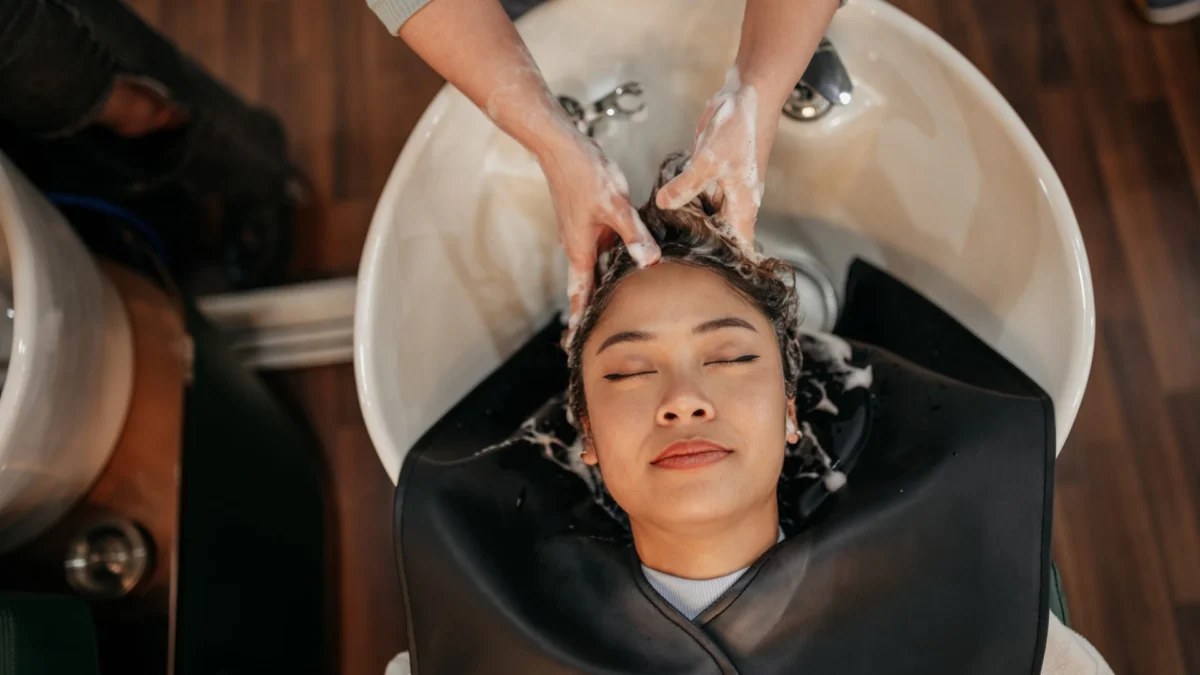
The widespread adoption of GLP-1 drugs, initially celebrated for their significant weight-loss benefits, is now creating a burgeoning market for hair treatment products. A frequently reported side effect of these medications is hair loss, prompting a surge in demand for solutions aimed at mitigating or reversing this issue. Companies specializing in hair care and wellness are actively responding to this trend, developing and marketing innovative products to cater to a growing demographic of users experiencing this particular side effect.
Branneisha Cooper, who began using the GLP-1 injection Mounjaro in late 2022, anticipated potential hair thinning based on online discussions. However, it was approximately a year into her treatment that she began to notice substantial hair loss, shedding in clumps. This was particularly distressing for Cooper, 29, who had always maintained thick hair. She attributed the hair loss to the rapid weight loss facilitated by the medication, a common explanation provided by healthcare professionals.
In response to this side effect, Cooper adopted a multi-faceted approach. She increased her protein intake, began taking hair-supportive vitamins, and invested in specialized haircare products designed to stimulate the scalp and encourage hair regrowth. Her experience is not unique; she is one of an increasing number of individuals using GLP-1 drugs who are grappling with temporary hair loss. This phenomenon is contributing to a new market segment within the broader hair treatment industry, emerging alongside the popularity of weight-loss medications.
Cooper found a community of fellow GLP-1 users on social media who were sharing similar experiences. While initial discussions were less frequent, the escalating use of GLP-1s has led to a greater influx of individuals seeking advice on managing and potentially preventing hair loss. Cooper noted that many users are looking for preventative measures, a challenge she herself has not yet resolved.
Statistics highlight the rapid growth in GLP-1 usage. According to Gallup, the number of individuals taking these drugs has more than doubled since early 2024. A KFF Health Tracking Poll indicated that approximately 13% of U.S. adults, or about one in eight, are currently using a GLP-1 drug. Projections from JPMorgan suggest that by 2030, the number of Americans on GLP-1s could reach 25 million, a substantial increase from the 5 million users in 2023.
While GLP-1 medications like Eli Lilly's Zepbound and Mounjaro, and Novo Nordisk's Ozempic and Wegovy, are highly effective for weight loss, they are associated with various side effects. Hair loss is listed as a common adverse effect on the product information for these drugs, alongside others such as nausea, vomiting, and fatigue. This side effect is not exclusive to GLP-1s; significant weight loss achieved through any method can trigger hair thinning due to the body's physiological responses.
Dr. Heather Woolery-Lloyd, a dermatologist and chief medical advisor for Nutrafol, explained that rapid weight loss can lead to reduced nutrient and protein intake, and the process itself can act as a stressor on the body, contributing to hair shedding. Consumers experiencing these changes are actively seeking remedies, as indicated by market research.
Circana, a market research firm, reports that households using GLP-1 medications spend approximately 30% more on beauty products compared to those not using these drugs. Larissa Jensen, Circana's beauty industry advisor, noted that hair loss solutions represent a robust growth area within the hair care sector. This growth is sustained by ongoing consumer stress, exacerbated by the pandemic, and is now further boosted by the emergence of GLP-1 medication usage as an additional driver.
Jensen further elaborated that many GLP-1 users report temporary hair shedding, which directly translates into increased demand for at-home hair growth treatments, scalp serums, and nutritional supplements. The impact of hair loss on a GLP-1 user's self-confidence can intensify stress, creating a cycle that further exacerbates the issue, according to Dr. Woolery-Lloyd. She has observed a marked increase in patients presenting with hair thinning concerns, many of whom link their symptoms to GLP-1 use. This influx reminds her of the surge in similar concerns during the pandemic, attributed to widespread bodily stress.
Accenture's global beauty industry lead, Audrey Depraeter-Montacel, identified the hair loss associated with GLP-1s as a significant trend for the beauty industry to monitor. She stated that GLP-1s have not only altered weight loss methods but also shaped consumer expectations for beauty and personal care products to address these new challenges. Depraeter-Montacel described the GLP-1 market as unprecedented in its scale and highlighted the substantial business opportunity it presents for the hair treatment market, fostering innovation.
"On the life science side, we are seeing a lot of pharma brands raising funds to go after innovation and new solutions," Depraeter-Montacel told CNBC. "So a lot of money has been raised in the name of this opportunity, which I think confirmed that there is definitely a commercial opportunity here as investors put dollars in this on both sides." She also pointed out that consumers investing in GLP-1 hair treatment products are likely to exhibit high loyalty, given that these treatments often require several months to show noticeable results.
Major brands are strategically positioning themselves to capture this market. In early April, Ulta CEO Kecia Steelman acknowledged that the retailer is observing increased purchases of hair treatment products linked to the GLP-1 trend. Redken, a L'Oreal-owned haircare brand, launched its Acidic Grow Full System, a line specifically formulated for individuals experiencing hair thinning. Mounia Tahiri, Redken's U.S. general manager, stated that the product line was tested on GLP-1 users who reported an immediate improvement in hair fullness and thickness.
Tahiri added that Redken has noted a rise in online searches for hair loss and weight-loss drugs, indicating a commitment to continued product innovation in response to the expanding GLP-1 user base. Nutrafol CEO Cindy Gustafson reported a similar uptick in demand for their hair health products. While the company does not specifically track sales related to GLP-1 use, Gustafson attributed overall growth to increased consumer awareness and a preference for personalized, clinically validated solutions.
Gustafson anticipates sustained growth as more individuals adopt GLP-1 medications and actively seek products to prevent or address hair thinning. KeraFactor, a company focused on scalp health, has experienced a 100% year-over-year increase in direct-to-consumer sales, driven significantly by interest from GLP-1 users. Lauren Bartholomeusz, KeraFactor's chief commercial officer, noted that the company first saw a surge in patient interest during the COVID-19 pandemic, which then subsided before rising again with the GLP-1 trend.
Bartholomeusz explained that KeraFactor has adapted its patient treatment approach to be more preventative, aiming to proactively address potential hair loss issues associated with GLP-1 use. For Branneisha Cooper, the journey has shown signs of improvement. After experimenting with various hair products over the past three years of taking weight-loss drugs, she has observed a return of her hair's former thickness. She shared that while the initial shedding was alarming, the eventual regrowth provided reassurance. "A lot of people, they get nervous when they have the hair shedding, because it's like, 'Oh, I'm going to be bald for eternity.' But the hair comes back, so that was what let me have peace with it. But it was scary."


