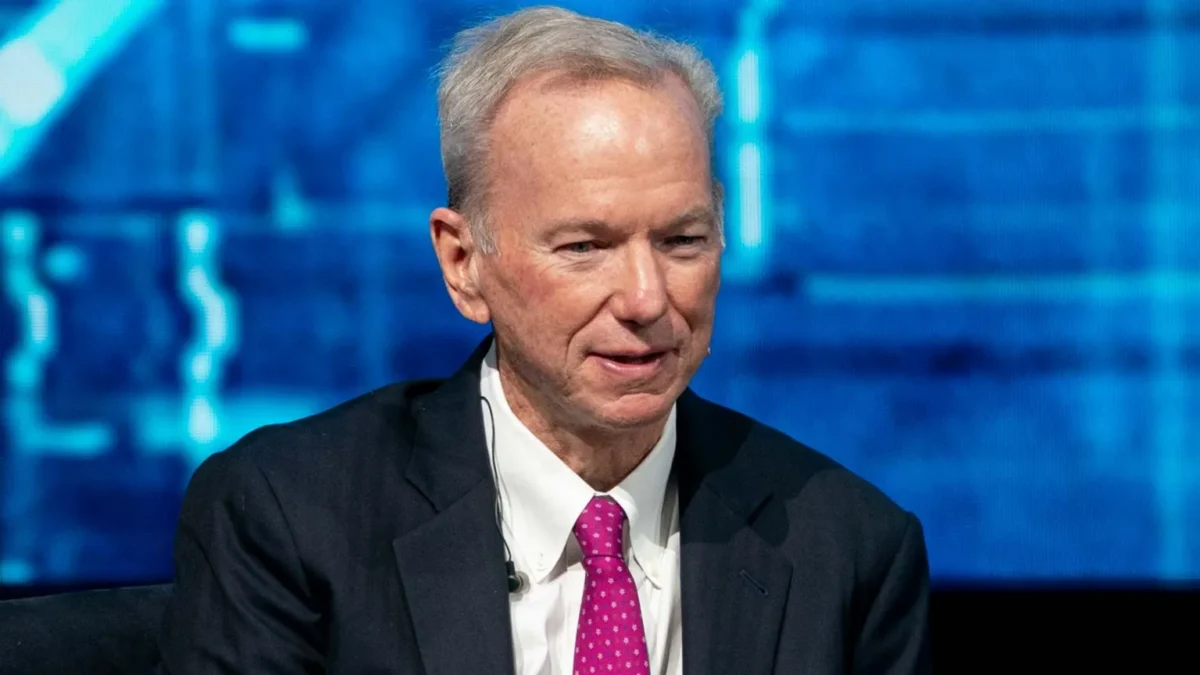
Former Google CEO Eric Schmidt faced a hostile reception from graduates at the University of Arizona's commencement ceremony when he mentioned artificial intelligence. As Schmidt drew parallels between the current AI surge and the advent of computers decades ago, audible jeers erupted from the audience. "I know what many of you are feeling about that. I can hear you," Schmidt acknowledged amidst the boos.
The incident highlights a growing apprehension among students on university campuses regarding the pervasive influence of AI. Speakers discussing artificial intelligence are increasingly encountering negative reactions from graduating classes.
Schmidt, addressing the soon-to-be workforce, recognized the validity of the graduates' concerns about AI. However, he encouraged them to embrace the transformative technology, stating, "AI will shape the world." He urged the graduates to consider their role in influencing AI's development, concluding, "The future is not yet finished. It is now your turn to shape it."
This backlash is not unique to Schmidt. Other speakers have experienced similar reactions. Gloria Caulfield, a real estate executive, was booed at the University of Central Florida when she described AI's rise as the "next industrial revolution." Similarly, Scott Borchetta, CEO of Big Machine Records, faced jeers at Middle Tennessee State University commencement. His advice to students was pragmatic: "Deal with it, like I said, it's a tool."
The student anxiety is amplified by broader societal concerns about AI's expanding presence in the professional sphere. A Lumina Foundation-Gallup 2026 State of Higher Education Study indicates that a significant portion of students are reconsidering their academic paths due to fears of automation. Many are shifting away from fields like entry-level tech and statistical analysis, opting instead for disciplines emphasizing critical thinking, communication, and human interaction.
Further underscoring this sentiment, a Pew Research Center survey revealed that 50% of American adults express more concern than excitement about the increasing integration of AI into daily life. Conversely, only 10% reported feeling more excited than concerned.
These fears may be particularly pronounced in regions where technology adoption readily facilitates the replication of information technology tasks, leading to significant workforce restructuring. The widespread unease suggests a critical juncture in how society, particularly the younger generation, perceives and prepares for an AI-driven future.


