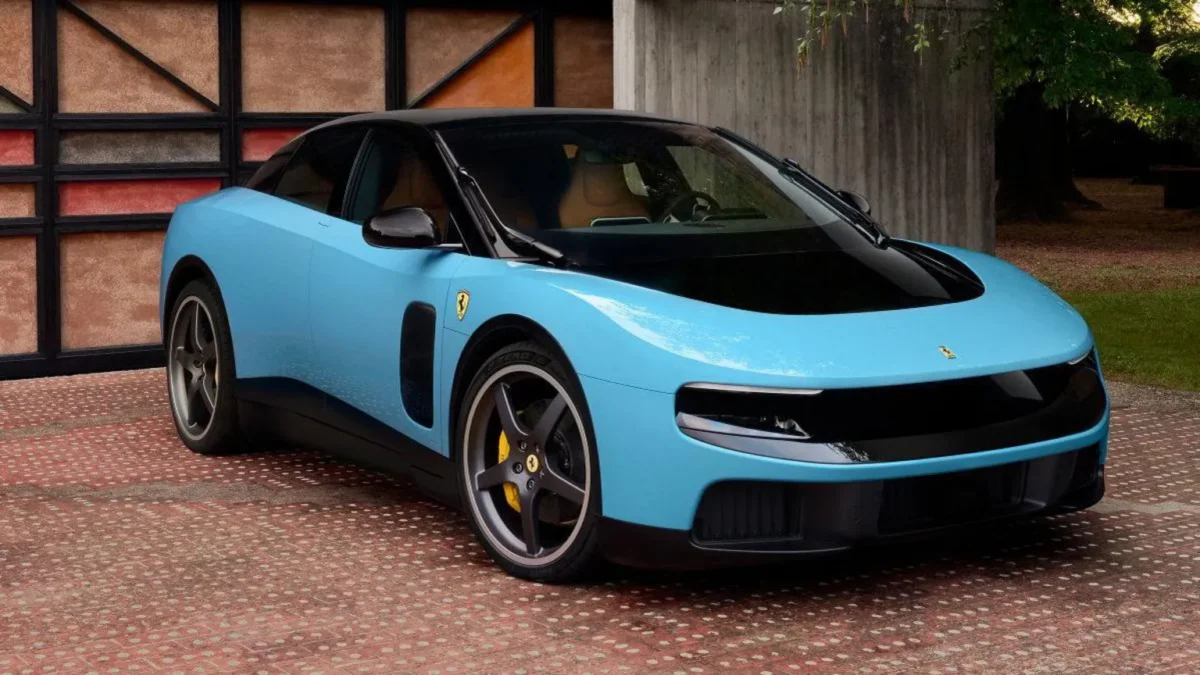
Luxury sports car manufacturer Ferrari has officially revealed its first-ever fully electric vehicle, the Luce, a model that represents a significant departure from the brand's traditional design ethos. Priced at $640,000 (£474,320), the Luce is also Ferrari's inaugural five-seater, developed in collaboration with the LoveFrom agency, founded by former Apple design chief Sir Jony Ive.
A Polarizing Debut
The unveiling of the Luce has ignited a strong reaction on social media, with opinions sharply divided. Comments ranged from harsh criticism, describing the car as "straight to the junkyard trash," to high praise, calling it an "absolute masterclass in design." This polarized reception echoes sentiments seen with other luxury brands transitioning to electric powertrains. Ferrari's chief design officer, Flavio Manzoni, acknowledged in an interview that the concept of an electric Ferrari with a novel design is "polarizing" but expressed confidence that the design will be appreciated over time, viewing criticism as an inherent part of the innovation process.
Development and Technical Specifications
Ferrari CEO Benedetto Vigna stated in Rome that the Luce, whose name translates to "light" in Italian, has been in development for half a decade. The vehicle is equipped with a Ferrari-made electric motor powering each wheel, enabling it to accelerate from 0 to 60 mph (approximately 96 km/h) in about 2.5 seconds. A key aspect of the Luce's design, according to the company, is that all its components are manufactured in-house. This strategy is intended to facilitate future repairs by Ferrari, thereby safeguarding the car's long-term resale value.
Market Context and Competitive Landscape
The introduction of the Luce comes at a time when the broader automotive industry, particularly the luxury segment, is navigating the complexities of electrification. Rivals such as Lamborghini and Porsche have reportedly scaled back their EV plans due to a combination of factors, including weak demand for high-end electric vehicles, intense competition from Chinese manufacturers, and geopolitical trade issues like US tariffs. Western automakers have faced challenges producing EVs more slowly and at higher costs compared to their Chinese counterparts.
Ferrari, as Europe's most valuable carmaker, has historically relied on its strategy of selling highly exclusive vehicles, which has provided some insulation from the pressures affecting competitors. However, the company has not been immune to market downturns. Ferrari's shares have experienced a decline of over 25% in the past year, a trend that aligns with a broader slump observed across luxury brands, attributed in part to global inflation impacting consumer demand for high-end goods.
Ferrari's Multi-Powertrain Strategy
Despite the launch of its first all-electric model, Ferrari has emphasized that it will continue to offer vehicles powered by traditional gasoline engines and hybrid powertrains alongside the new EV. This multi-powertrain approach reflects the ongoing market uncertainties and diverse consumer preferences within the luxury automotive sector. The company's decision to roll out an EV follows a period where it had previously ruled out such a move, opting instead for hybrid technology. This strategic shift underscores the evolving landscape of automotive technology and consumer expectations.


