A Debt Crisis Pushes an Individual to the Brink
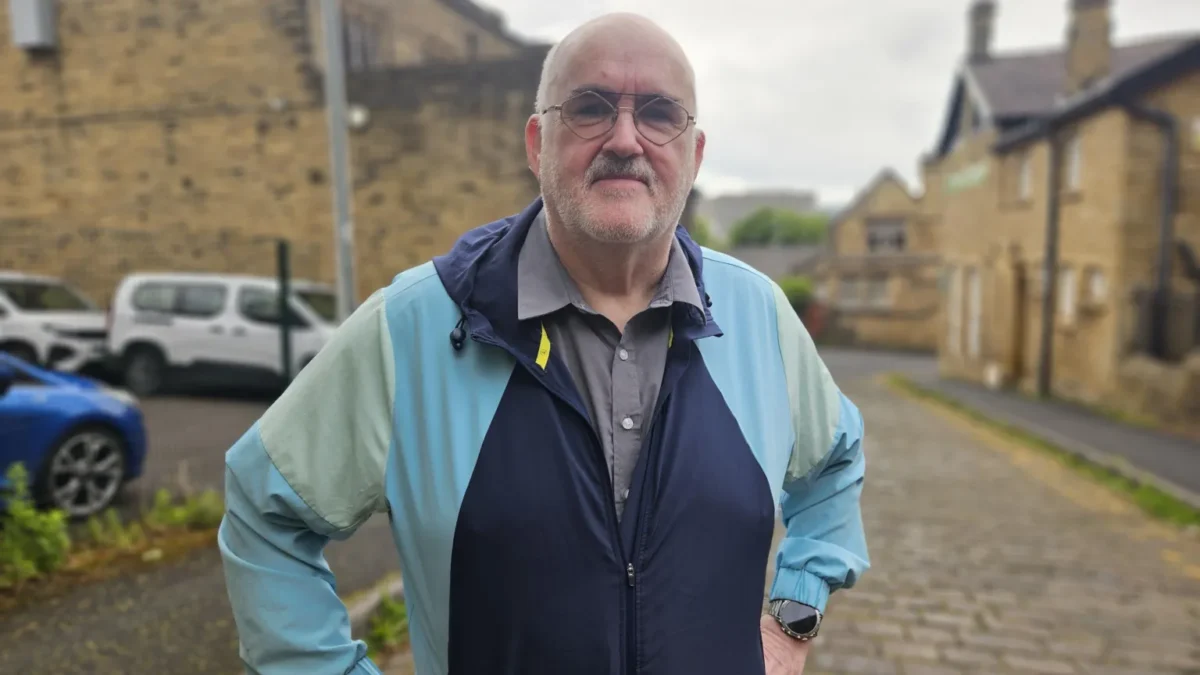
A man from Bradford, identified only as Dean, has revealed how an accumulation of approximately £8,000 in debt pushed him to “breaking point,” resulting in multiple suicide attempts. His harrowing account, shared with the BBC, underscores a deepening crisis of household debt across Yorkshire, a situation corroborated by the charity Christians Against Poverty (CAP).
Dean, a 58-year-old who previously held a stable position with the local council, faced a cascade of personal misfortunes. Complications from routine surgery led to the loss of his job, forcing a transition to benefits that significantly reduced his income. “I ended up losing a lot of money each month going onto benefits,” he said. “Bills were just growing. I didn’t know which way to turn.” The financial strain was compounded by the death of his mother and worsening health issues, intensifying the pressure.
The debt itself accrued through catalogue purchases and online credit, but Dean emphasized that these were for essential items such as a new bed and carpets, not luxuries. “It was just essentials that I was buying,” said Dean, who did not wish to give his surname. As his debts mounted to about £8,000 through catalogues and online credit, Dean said the psychological impact became devastating. “Things were that bad, I attempted suicide three times,” he said. He credits Christians Against Poverty (CAP) with providing crucial support, describing their assistance as “absolutely fantastic” and noting their consistent help both over the phone and in person, stating, “They were 100% all the time.” Dean has since found employment as a delivery driver for Bradford Central Food Bank, managed to build savings, and adopted a more frugal lifestyle. However, he expressed concern that many individuals continue to suffer in silence due to embarrassment about seeking help, noting, “A lot of people are just too embarrassed to ask for help.” He believes that without CAP’s intervention, he would no longer be alive.
Charity Report Details Escalating Debt Burden
A new report by CAP, as highlighted by Aisha Iqbal of the BBC, indicates that Dean’s experience is representative of a growing crisis affecting households throughout Yorkshire. The charity said the average debt burden among people seeking help now stood at about £12,000, with repayments expected to take almost nine years on average.
Claire Cowles, who authored the CAP report, observed a significant shift in the nature of these debts, which are increasingly linked to basic survival rather than discretionary spending. “People are having to borrow to cover their food shop every week,” Cowles said. “They’re having to borrow for fuel, for transport, for school uniforms, just the basics of life.” She attributed this trend to worsening economic pressures that are trapping many in debt cycles with little realistic prospect of escape.
Cowles highlighted a stark contrast from fourteen years prior, when 40% of CAP’s clients could manage to repay their debts within a reasonable timeframe. “Fourteen years ago, 40% of our clients could repay their debts in a reasonable amount of time,” she said. This figure has now fallen to just under a quarter. Furthermore, the report sheds light on the severe mental health implications of debt, with Cowles stating that around 46% of individuals helped by CAP have either contemplated or attempted suicide. “It shouldn’t be that someone thinks their life is worth less than £12,000,” she commented, underscoring the profound psychological impact of financial distress.
Jonathan Lees, a debt adviser at CAP, reported that frontline staff are handling up to 80 calls daily and are increasingly encountering individuals in acute distress. “We’re seeing a lot more council tax debt, utilities debt and rent arrears,” he said. “People simply do not have the money for what we would consider essential costs.”
Lees described how some clients are left with as little as £200 per month after rent, leaving minimal funds for food, transportation, or social activities. “Things we consider part of a normal decent life, like going out with friends for a coffee, they simply cannot afford,” he observed. Even debt advisers can feel a sense of powerlessness amidst rising costs like fuel and shrinking household budgets, which put more individuals at risk of defaulting on their payment plans and facing insolvency. “It’s very difficult and you can feel a bit helpless,” Lees admitted, but emphasized that the charity provides support to help people become debt-free.
Campaigners are urging policymakers to implement more robust safety nets, streamline access to financial support, and recognize debt as a critical economic and mental health issue. Dean’s decision to share his story publicly is aimed at encouraging others to seek help before reaching a crisis point. “It’s just making that first step and doing it,” he urged.


