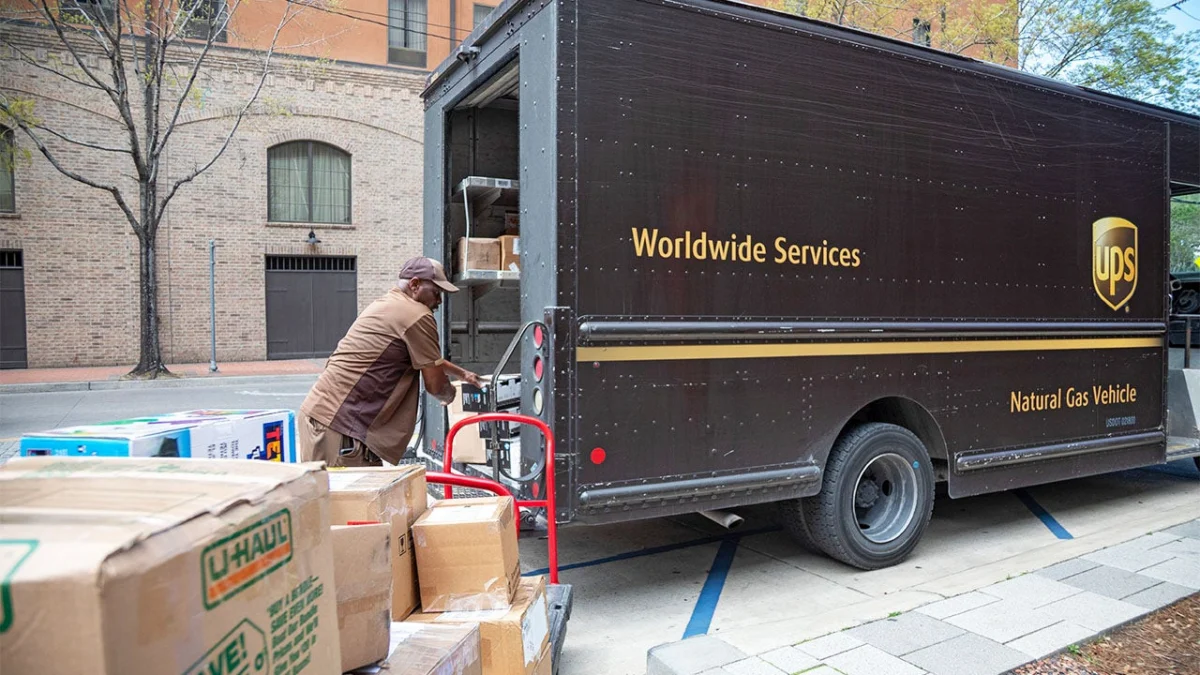
Logistics giants FedEx and UPS have announced their intention to return tariff refunds to their customers, a move prompted by a recent Supreme Court decision that potentially opens the door for billions of dollars in reimbursements. These refunds are linked to import taxes levied during the Trump administration under the International Emergency Economic Powers Act (IEEPA).
Both companies have stated that they plan to pass along any recovered funds directly to their clients as the federal government begins the process of handling refund claims for duties previously collected. This development could have a wide-reaching impact, affecting a significant number of importers who utilized these services.
During the company’s first-quarter earnings call, UPS CEO Carol Tomé highlighted the scale of the operation, noting that UPS processed approximately 16 million IEEPA-related entries. She further disclosed that the company had remitted over $5 billion in tariffs to the U.S. Treasury on behalf of its customers. Tomé emphasized UPS’s role as a mere intermediary, stating, “We are just a pass-through.” She assured stakeholders that once refunds are issued by the government, UPS will promptly send the money “right back to our customer.”
FedEx has echoed this commitment, indicating its intent to return funds to customers as soon as reimbursements are received from U.S. Customs and Border Protection (CBP). This stance reinforces the understanding that major logistics firms function primarily as conduits for tariff collection, rather than as ultimate payers.
The Supreme Court’s pivotal ruling in February determined that the 1977 law, IEEPA, utilized by the Trump administration to impose tariffs, did not grant presidents the authority to levy such duties. This decision effectively invalidated a substantial range of import taxes that had been applied to goods originating from key global trading partners.
This judicial outcome is anticipated to trigger a substantial wave of repayment processes. Government data, referenced within court filings, suggests that approximately $166 billion in collected tariffs could be eligible for refunds. The federal government initiated a new system earlier this month specifically designed to manage these refund claims, and thousands of companies have already begun submitting their applications, underscoring a strong desire for reimbursement.
CBP confirmed that it commenced a phased rollout of its refund system on April 20. This system allows importers and customs brokers to submit their claims through an online portal. According to the agency, the majority of valid refund requests are expected to be processed and issued within a timeframe of 60 to 90 days following their approval. However, the agency also noted that more intricate cases may require a longer processing period.
For logistics companies such as UPS and FedEx, these refunds are not expected to cause significant fluctuations in their financial performance. This is primarily because these firms act as collectors of tariffs from their customers, subsequently remitting these collected amounts to the federal government. Their role is largely administrative in this context.
Despite the direct financial impact being minimal for the logistics providers, the sheer volume of these refunds serves as a potent indicator of the broader economic consequences stemming from the tariffs. These duties had previously contributed to disruptions in global trade patterns and exerted downward pressure on corporate earnings across a diverse array of industries.
While the Supreme Court’s decision specifically addressed tariffs imposed under IEEPA, it is important to note that other trade-related measures remain in effect. Government officials have also indicated that the administration could potentially pursue additional duties through alternative legal avenues, suggesting that the landscape of trade policy remains dynamic.


