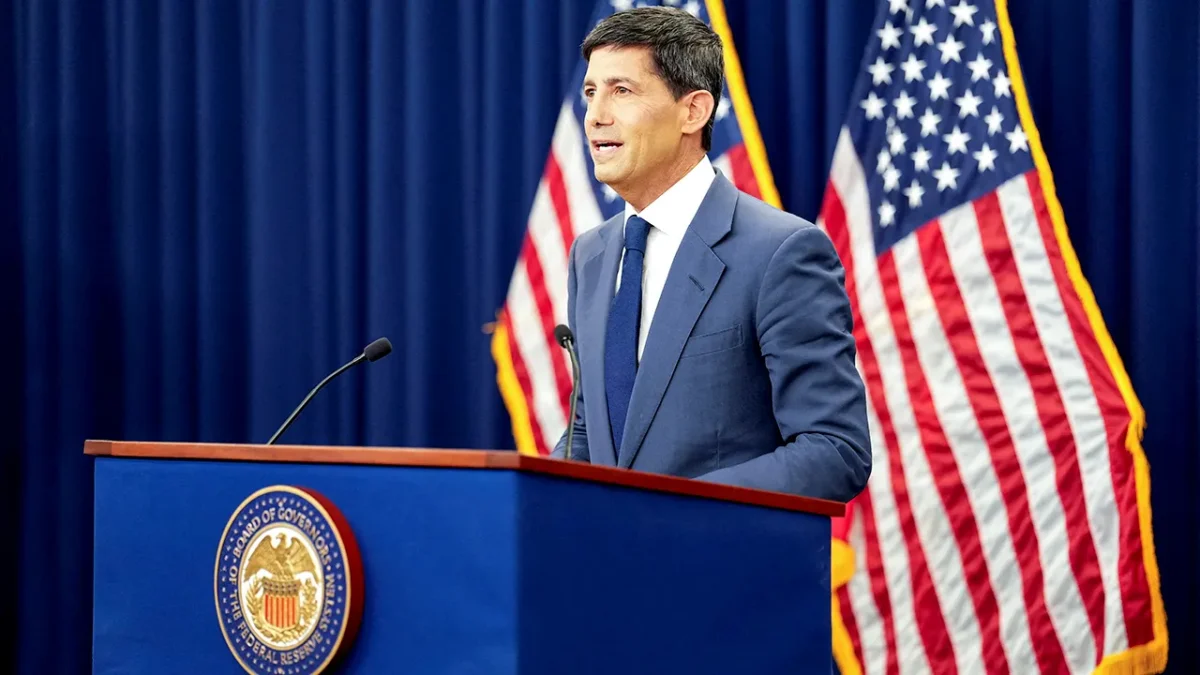
The Federal Reserve entered its first policy gathering under Fed Chair Kevin Warsh amid persistent concerns about inflation and the path of future price gains. Minutes from the Federal Open Market Committee showed that in June, policymakers did not see an immediate need to raise interest rates, citing high assessed uncertainty about the direction of policy moves. The meeting occurred as energy prices had driven price growth higher, pulling inflation further from the Fed’s 2% target and complicating the outlook for rate changes.
Participants unanimously held the benchmark federal funds rate in a range of 3.5% to 3.75%, but the discussions indicated openness to policy firming if inflation remained stubborn or if other economic factors shifted. The FOMC noted scenarios in which inflation would dissipate and return toward target, suggesting that some participants believed it would be appropriate to maintain or eventually lower the rate under certain conditions. At the same time, other participants highlighted scenarios in which inflation could stay elevated due to AI-related demand, geopolitical tensions, or tariff effects, arguing that policy firming might be warranted to bring inflation back to 2%.
The June meeting also featured the release of the dot plot, revealing that nine of the 18 voting members anticipated a rate hike before the end of 2026, with six projecting two 25-basis-point increases. The summary of economic projections revised the year-end PCE inflation forecast higher, reflecting the latest inflation dynamics and energy price pressures. Warsh has signaled a desire to curb forward guidance on future rate moves and declined to submit his own economic projection as part of the committee’s forecasts and post-meeting message.
Market observers noted the minutes showed that some policymakers viewed Warsh’s first meeting as an opportune moment to consider changes to the FOMC’s post-meeting statement, including shortening the language and dropping the easing bias in future guidance. Overall, the minutes underscore the tension between keeping policy accommodative to support growth and the need to maintain price stability amid evolving inflation risks.
As energy prices and other inflationary pressures shape 2026 expectations, investors will be watching the Fed’s communications for clues about how the committee weighs inflation risks against the strength of the labor market and financial conditions.


