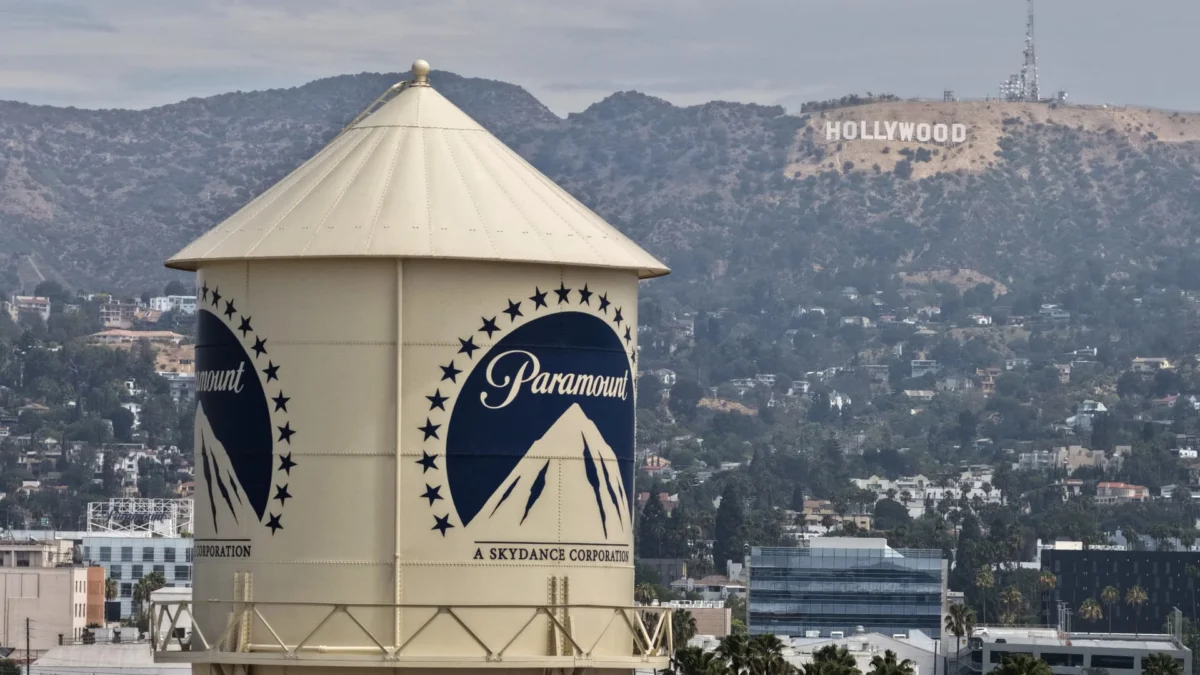
Paramount is still targeting a close to its deal with Warner Bros. Discovery by the end of September, despite a lawsuit filed by a group of state attorneys general led by California’s Rob Bonta that seeks to block the merger over antitrust concerns. In an interview on CNBC’s Squawk on the Street, Paramount lead trial counsel Jeffrey Kessler defended the transaction as pro-competitive and said the company remains on track to complete the deal by late September as it awaits regulatory clearance from the European Union.
Kessler told CNBC’s David Faber that, even with the Antitrust Division of the U.S. Department of Justice having already cleared the deal in the United States and concessions being submitted to the EU, a temporary restraining order had been requested by the coalition of state attorneys general. He noted that the legal action sought to pause the merger for court proceedings and that, if necessary, the parties could pursue a Supreme Court review should a prolonged block threaten closing.
“The company believes strongly in this,” said Kessler, describing the combination of Paramount and Warner Bros. Discovery as pro-competitive. He added that Paramount is prepared to explore alternative schedules, including a plan to decide by early September if an orderly procedure can be created, though he cautioned that the states had rejected those alternatives.
Kessler emphasized that the temporary restraining order, filed after Paramount indicated an intention to close as early as July 22 pending regulatory clearances, would pause the deal for 14 days if granted. He argued the dispute is not inherently an antitrust issue and reiterated that the merger could offer a competitive counterweight to Netflix, Disney, and Amazon’s Prime.
As the legal process proceeds, Paramount has faced public pushback from state authorities who warned that the merger could raise prices, reduce content quality, and shrink the slate available to movie theaters and basic cable distributors. Bonta said in a release that the merger would lead to higher prices, lower quality, and less content for film and television, harming theaters, distributors, and audiences in the United States.
Paramount CEO David Ellison has repeatedly promised that, once merged, the combined studios would release a slate of about 30 movies per year. Kessler told Faber that Paramount has told state attorneys general it would commit in writing to delivering the 30 films, and that failure to do so could invite litigation.
If regulatory clearance and approvals lag, Paramount has a ticking fee arrangement that could add about $650 million in cash value per quarter to WBD shareholders if closing is delayed past September 30. In the EU, the parties have sought to address concerns through concessions while preparing for possible delays or court actions. The merger would bring together Paramount and Warner Bros. Discovery, along with a broader portfolio of pay TV networks, under a single leadership umbrella.
The legal and regulatory drama unfolds as Hollywood grapples with shifting consumer behavior amid a crowded streaming landscape, where the industry’s traditional maximize-and-deliver model faces persistent pressure from cord-cutting and escalating content costs. The outcome could influence not only the fate of the two companies but also the pricing and availability of film and television content across theaters and platforms.


