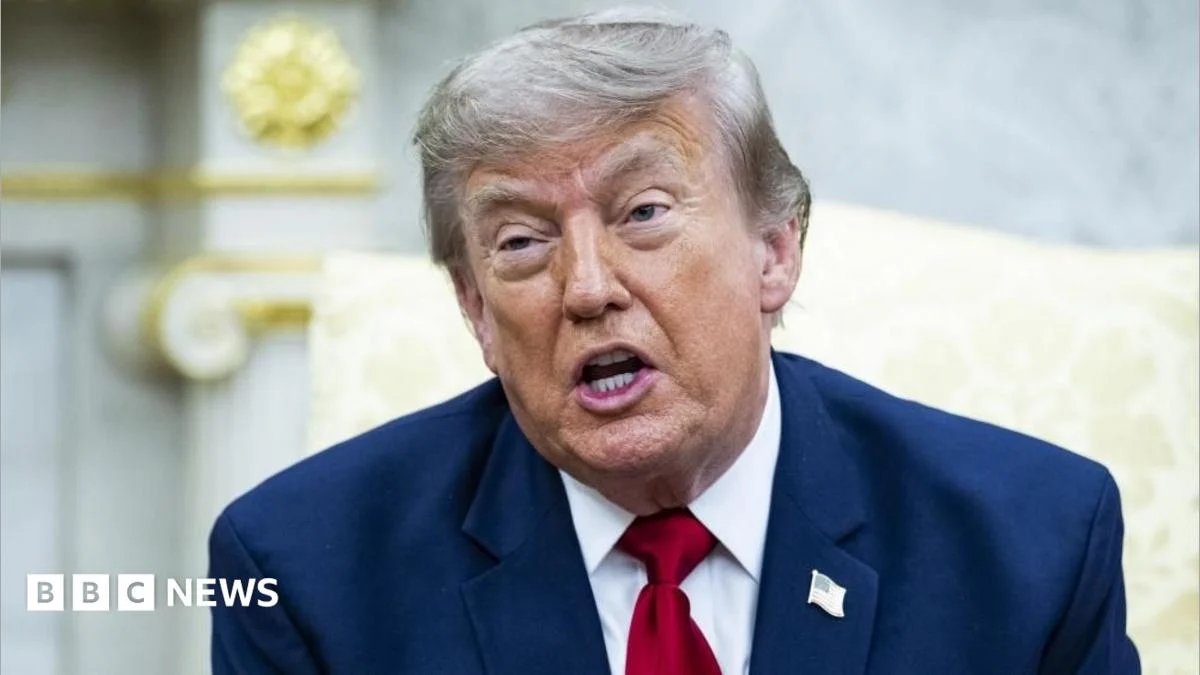
US President Donald Trump has escalated pressure on Iran, vowing to strike bridges and power plants next week if Tehran does not return to talks. The remarks, delivered in a Fox News interview aired as exchanges of fire entered a fourth day, come after a renewed US naval blockade and a sequence of retaliatory strikes in the Strait of Hormuz. Trump asserted that Iran would face decisive damage unless it negotiates, stating, “Next week it gets really bad for them. We’re going to knock out all their power plants. We’re going to knock out all their bridges unless they get to the table and negotiate.” The comments followed a broader shift in US policy, including a reversal of an earlier 20% fee plan on Hormuz-shipping and a resumption of port blockades against Iran.
Earlier in the year, Trump had warned of air and infrastructure strikes, including civilian targets, in an exchange that drew condemnation from UN human rights authorities. The Geneva Conventions prohibit attacks on civilians, and the debate over legal and humanitarian implications resurfaced as the rhetoric intensified. Trump also signaled a sequencing approach to energy policy, saying he would “save the energy targets for last, but ultimately we’ll hit energy targets.” He added that negotiators had told Iranian counterparts that they should “better make a deal, or you’re not going to have anything left.”
The escalation occurred as the United States intensified maritime pressure in the Strait of Hormuz, a chokepoint that governors say is crucial for global energy flows. Centcom reported launching an additional round of strikes to degrade Iran’s ability to threaten commercial shipping in the waterway. U.S. Admiral Brad Cooper characterized Iran’s actions as attacks on civilian vessels, noting several ships were hit and civilian casualties were reported. Iran has denied wrongdoing and asserted it would maintain control of the strait.
In the backdrop, regional actors watched the tension with concern. The UAE reported Iranian missiles targeting two national tankers, with casualties among Indian crew members and others injured. Iran’s Revolutionary Guard later claimed strikes on ships, contending that the targets ignored warnings. Kuwait and Bahrain reported related security alarms, with Kuwait saying its defenses were actively engaging hostile drones.
The strait has become a focal point of the conflict, with oil prices rising on renewed supply concerns and shipping data showing traffic slowing. The broader conflict has included a dynamic exchange of threats, with attempts to deter or deterred actions by both sides, and occasional pauses in the blockade being described as part of a memorandum of understanding that sought to manage the crisis, though disputes continued to surface. Tehran has insisted it would remain in control of Hormuz, while Washington has framed its actions as protection of international shipping. The situation underscores the strategic leverage the strait provides in global energy markets and the delicate balance between diplomacy and coercive measures amid an escalating geopolitical confrontation.


