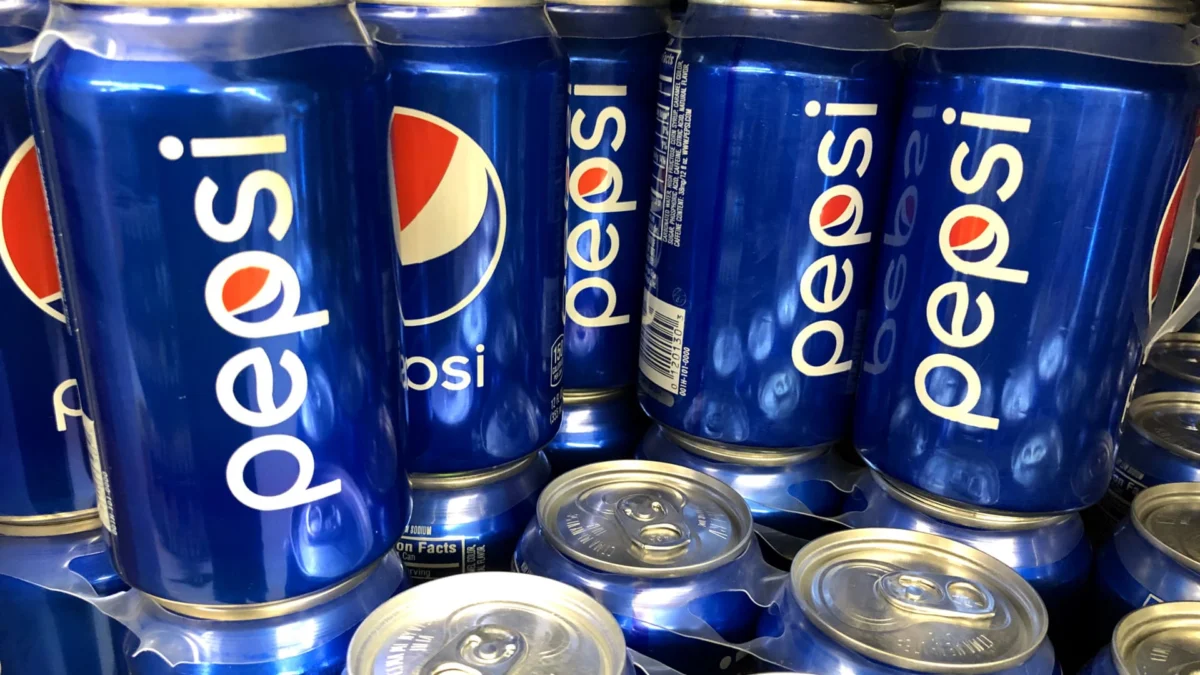
PepsiCo (PEP) reported second-quarter 2026 results that beat Wall Street on overall revenue but showed softer demand in its North American food and beverage categories, underscoring the uneven consumer spending environment amid inflation and higher energy costs. The company said that while international demand for snacks and drinks remained strong, U.S. volumes were constricted, tempering overall momentum for the quarter ended June 13.
Earnings per share came in at $2.20 on an adjusted basis, compared with a $2.21 consensus estimate among analysts polled by LSEG, according to the company’s figures. Reported earnings were $2.18 per share, or $2.98 billion in net income, up from $0.92 per share, or $1.26 billion, a year earlier. Net sales reached $24.18 billion, a 6.4% increase year over year, while organic revenue rose 2.4% for the quarter. The results reflected price-mix and currency effects that influenced the top and bottom lines, with volume gains led by international markets.
globally, PepsiCo noted stronger volume growth outside the United States, where North American volume in food was flat and beverages declined about 4%. Management attributed softer domestic demand to higher prices and a consumer environment squeezed by rising fuel costs. CEO Ramon Laguarta said the consumer is worse than expected, driven mainly by gas prices, during the earnings call. CFO Steve Schmitt added that improvement in the convenience and gas channels would be needed for broader uplift and that the company expects a more gradual recovery in North America through the balance of the year.
Pepsi reaffirmed its full-year outlook, projecting organic revenue growth of 2% to 4% and core earnings per share growth in a 4% to 6% range in constant currency. The company’s strategy has included price reductions on some legacy snacks earlier in the year, such as Lay’s, Tostitos, Doritos and Cheetos, by up to 15% to regain share, while also restaging iconic brands like Gatorade and Lay’s to boost appeal.
Overall, PepsiCo’s quarterly performance highlights a nuanced picture for investors: international strength supports the top line even as domestic volumes lag, a dynamic that could influence margin and mix as pricing actions and energy costs continue to weigh on consumer budgets.


