New York City lawmakers have approved a new tax on nonprimary residences, commonly referred to as a pied-a-terre tax, aimed at closing the city's budget deficit. This new levy is set to significantly increase property taxes for owners of luxury apartments valued at $1 million or more, with the tax taking effect in two distinct phases.
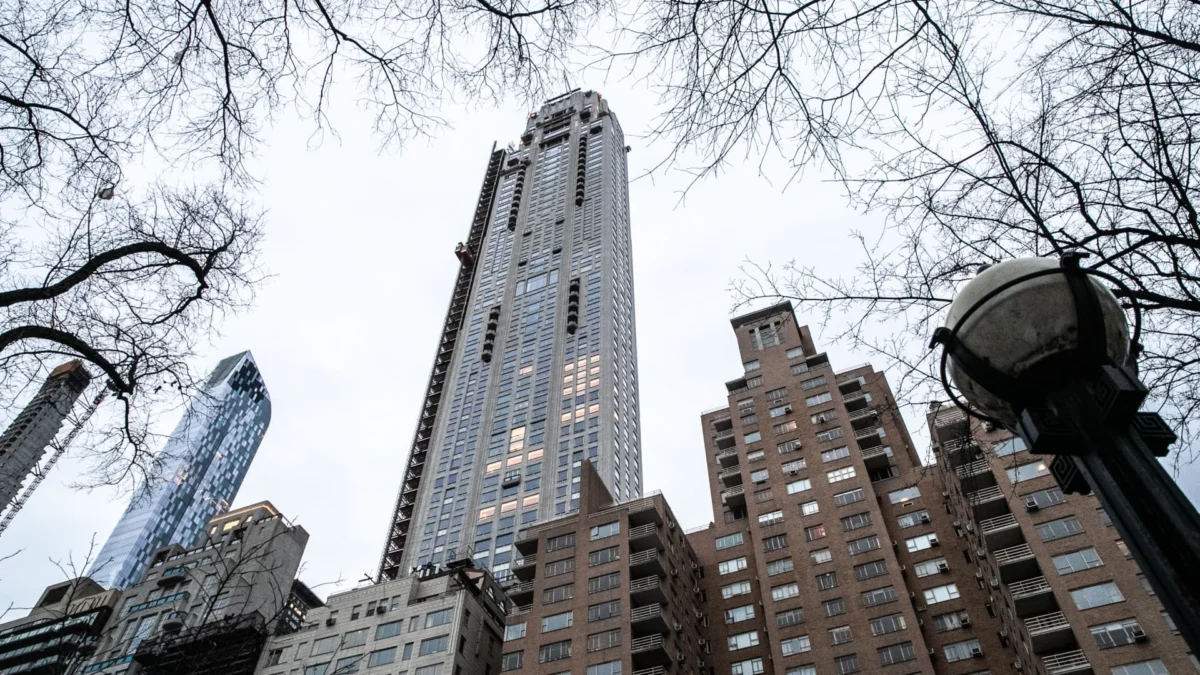
Billionaire Ken Griffin, CEO of Citadel, has become a prominent figure associated with this tax. New York City Mayor Zohran Mamdani highlighted Griffin's penthouse apartment at 220 Central Park South in a video announcement of the tax. Griffin, who is a tax resident of Florida, has stated that the new tax would more than triple his property tax bill in Manhattan.
The pied-a-terre tax is projected to generate $500 million in annual revenue for the city. The legislation outlines a phased implementation. For the initial two tax years, 2026-2027 and 2027-2028, condos and co-ops valued above $1 million by the city's Department of Finance will be subject to the tax. The rates are structured progressively: properties valued between $1 million and $3 million will face a 4% annual tax; those between $3 million and $5 million will be taxed at 5.25%; and properties exceeding $5 million will incur a 6.5% tax.
However, tax experts note that New York City's current property assessment system often undervalues properties, with valuations sometimes representing 10% or less of their actual market value. This discrepancy has historically mitigated the impact of property taxes for many owners.
To address this, the city plans a gradual update to property valuations and, consequently, the tax rates. Starting with the 2028-2029 tax year, property values will be determined based on comparable sales data. This adjustment is expected to lead to a significant increase in assessed values, prompting a reduction in the tax rates to compensate.
Under the revised system for the 2028-2029 tax year and beyond, properties valued between $5 million and $15 million will face a tax rate of 0.8%. Those between $15 million and $25 million will be taxed at 1.05%, and properties valued over $25 million will be subject to a 1.3% tax rate, according to the budget plan.
Robert Pollack, a New York property tax attorney at Marcus and Pollack LLP, described the tax system as "incredibly complicated." He also noted that his clients already feel burdened by existing property taxes, and the new rates, regardless of wealth, represent a significant financial increase.
Ken Griffin's specific situation illustrates the potential impact. His penthouse at 220 Central Park South, purchased in 2019 for $238 million, is valued by the city at only $15.5 million. Under the current system, his property tax bill for 2026-2027 is $858,332. With the new pied-a-terre tax, this bill is projected to more than double to $1.87 million for the initial two years. By the 2028-2029 tax year, his tax liability for this single property is expected to rise to nearly $4 million.
Furthermore, Griffin's ownership of two apartments at 740 Park Ave., acquired for a total of $83 million, will also be subject to the new tax. Starting in 2028, the tax on these units alone is estimated at $1.1 million, bringing his total estimated Manhattan property tax bill across all his properties to over $5 million annually.
While city officials argue that the wealthy can absorb these increased costs, real estate professionals and tax attorneys anticipate significant sticker shock among affluent property owners. The complexity and the substantial financial implications of the new tax are expected to be a major point of discussion and adjustment for New York's luxury real estate market.


