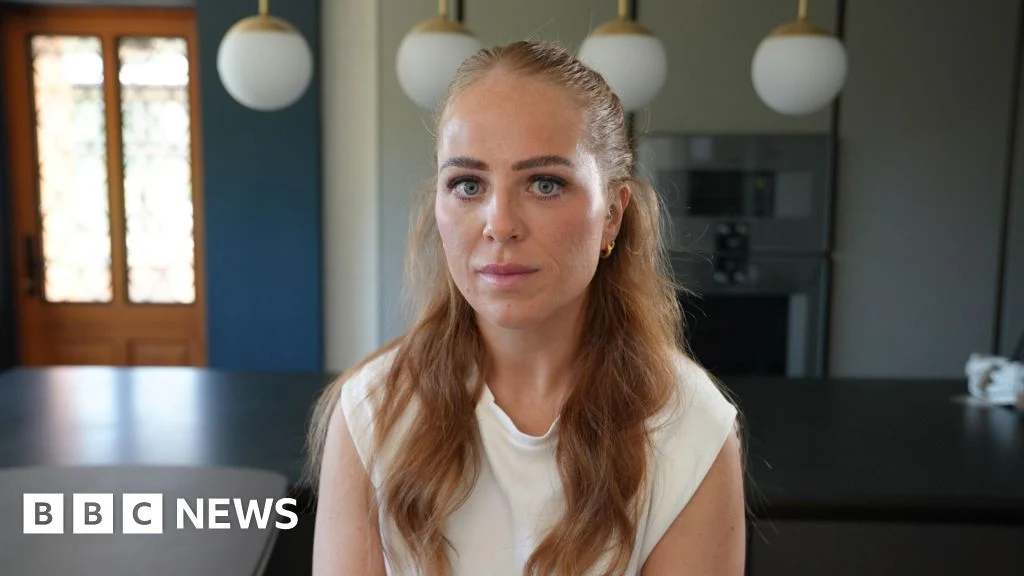
Campaigners advocating for stricter regulations on alcohol sales through food delivery applications are collaborating with Alcohol Change UK, the organization behind the annual "Dry January" initiative. This movement gained significant momentum following the death of Zoe Hughes, a 35-year-old woman whose family believes her excessive alcohol consumption, facilitated by these apps, contributed to her fatal fall at home in Lincoln.
According to her sister, Alex Hughes, 31, Zoe was reportedly spending between £1,000 and £1,500 per month on alcoholic beverages ordered through popular platforms such as Deliveroo, Just Eat, and Uber Eats. Alex has initiated a petition advocating for a complete ban on alcohol sales via these rapid delivery services, citing the ease with which her sister could access alcohol.
The delivery companies maintain that they operate in compliance with existing laws and are committed to responsible alcohol delivery practices. They state that customer accounts can be suspended or blocked if any welfare concerns are formally raised. However, Alcohol Change UK is urging the government to implement more stringent checks and balances for individuals purchasing alcohol through these apps.
Alex Hughes described her sister Zoe as a vibrant individual who "lived and breathed for her children." The revelation of Zoe's drinking problem came as a shock to the family. Initially, Zoe resided with her parents in a rural area of Lincolnshire, which necessitated a walk to the local shop for any purchases. However, upon moving to her own residence in a more urban setting, her alcohol consumption reportedly escalated significantly.
Before her passing in 2023, Zoe was consuming an estimated five to seven bottles of wine, gin, or vodka daily. Alex contends that the convenience offered by delivery apps played a crucial role in exacerbating her sister's dependency. "All she had to do was go on her phone, click a few buttons and it would be delivered in as quick as 20 minutes," Alex stated, highlighting the immediacy of access.
An inquest into Zoe's death concluded that it was accidental. The coroner determined that, "on the balance of probabilities," her injuries resulted from an unwitnessed fall sustained while she was under the influence of alcohol. This outcome has intensified the family's and campaigners' calls for regulatory changes.
Alex Hughes is pushing for either a complete prohibition of alcohol sales on delivery apps or the introduction of robust safeguards designed to assist vulnerable individuals. She proposes specific measures, including a daily ordering cap to limit the quantity of alcohol a person can purchase within a 24-hour period, and a restriction on delivery hours. "Zoe could order sometimes at six in the morning," Alex noted, underscoring the availability of alcohol at all hours.
Furthermore, Alex suggests the implementation of a register, analogous to those used by the gambling industry, where individuals can voluntarily add their names to be blocked from ordering alcohol through these apps. The Licensing Act 2003 currently governs the sale and supply of alcohol in the UK, and it is already an offense to sell alcohol to someone who is visibly intoxicated. Delivery firms assert that they conduct age verification checks and instruct their drivers to refuse delivery if a customer appears drunk.
Joe Marley, Director of Alcohol Change UK, is appealing to policymakers to re-examine the current regulatory framework. "We have the licensing act. It was created quite a long time ago and it hasn't kept up with the reality on the ground," he commented. The charity advocates for the government to reconsider the permitted hours for alcohol delivery and to simplify the process for individuals seeking to restrict their own access to these services.
Hattie Underwood, a 35-year-old individual in recovery from alcoholism and an advocate for Alcohol Change UK, shared her personal experience. She runs an online community called Sober Happy Free and admitted to using delivery apps during her active drinking period. "Psychologically they took all the barriers out of the way," she explained. Underwood recalled a time when she suffered from a severe stomach ulcer due to her drinking, was in considerable pain, and had taken time off work. Despite her condition, she would use the apps to order alcohol to her home, setting an arbitrary time of 10 am for her first drink, a wait she found unbearable.
Daniel Dobbs, a 39-year-old recovering alcoholic and coach for the Lincolnshire Recovery Partnership, has witnessed firsthand the devastating impact of alcohol addiction on individuals and their families. He expressed his commitment to maintaining his sobriety and supports any safeguarding measures that protect those struggling with addiction, provided they do not infringe upon an individual's right to choose.
A spokesperson for Deliveroo stated that retailers listing alcohol on their platform are required to "adhere to the same licensing, marketing and regulatory restrictions as in-store." They added that riders are trained to perform checks and refuse deliveries if a customer appears intoxicated. Deliveroo also maintains a "specialist policy" to suspend accounts upon receiving legitimate welfare concerns.
Just Eat emphasized its "robust processes and policies" designed to ensure alcohol is delivered "legally and responsibly." The company also offers additional support by blocking accounts or specific addresses when necessary. Similarly, an Uber Eats spokesperson confirmed that their deliveries involve age and sobriety checks, and customers have the option to exclude themselves from alcohol deliveries. The firm has established "dedicated processes" for individuals to request account blocks on alcohol sales.
A government spokesperson acknowledged the concerns surrounding rapid online alcohol delivery, recognizing its potential to increase alcohol-related harm and obscure drinking problems. The government indicated that it is currently examining how existing licensing rules apply to these rapid delivery services and is collaborating with experts to ensure the effectiveness of proposed safeguards.


