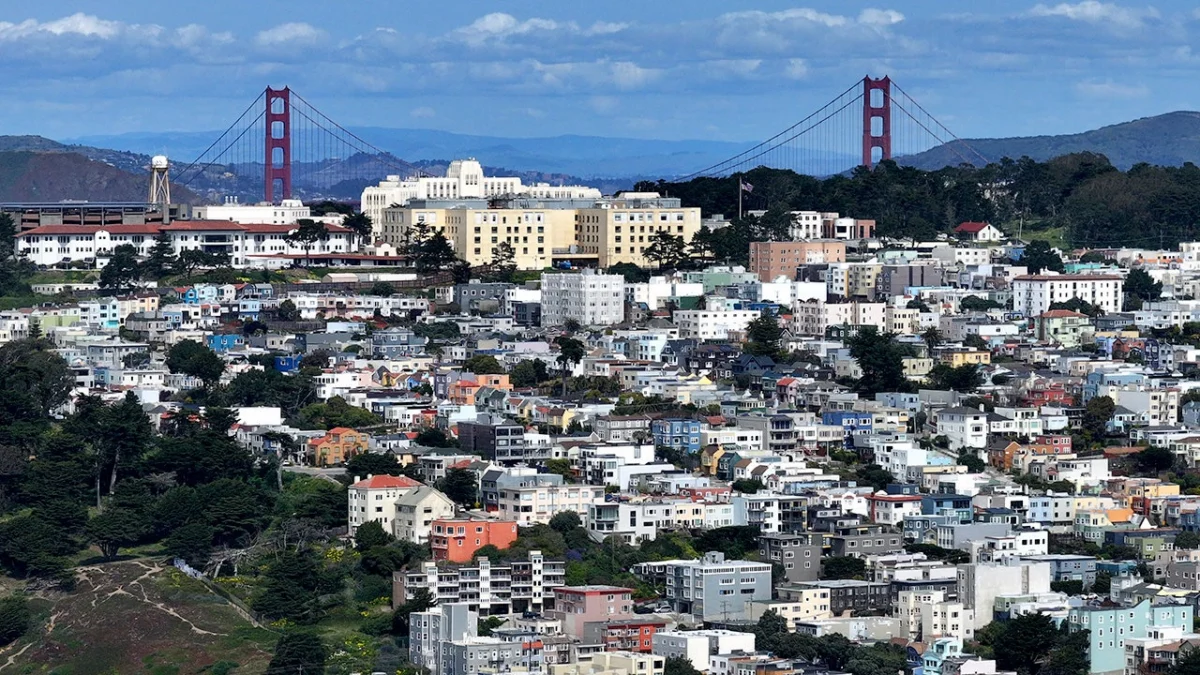
The rapid ascent of artificial intelligence (AI) has significantly boosted luxury real estate prices in the San Francisco Bay Area, according to a recent analysis by Redfin. This surge is particularly evident in high-end neighborhoods, while more affordable areas within Silicon Valley have not experienced the same appreciation since the public awareness of AI dramatically increased following the launch of ChatGPT.
Redfin's report meticulously compared median home sale prices across various price segments. The analysis focused on the period from 2020-2022, contrasting it with the timeframe of 2023-2025, a period that encompasses the widespread impact of ChatGPT 3.5, which debuted in November 2022. This AI model marked a pivotal moment in public understanding and adoption of advanced AI technologies.
The data, which includes all ZIP codes within San Francisco, Oakland, San Jose, and San Rafael that provided sufficient information for comparison, revealed a striking divergence in market performance. Luxury ZIP codes in the Bay Area, defined by home prices ranging from $3.1 million to $7.6 million, witnessed an average price increase of 13.4% in the two years following ChatGPT's public release.
This growth in the luxury segment stands in stark contrast to the performance of the market segment immediately below it. Homes priced between $1.5 million and $2.8 million, considered the lower end of the luxury or upper-mid market, saw a more modest average increase of 6.3%. This indicates a clear preference and increased demand for the most expensive properties.
Further down the price spectrum, the most affordable ZIP codes in the Bay Area, with home prices generally between $535,000 and $615,000, experienced a decline. On average, these areas saw their home prices decrease by 3.8% from 2023 to 2025, highlighting a widening gap in real estate value appreciation.
Yingqi Xu, a senior economist at Redfin, commented on the findings, stating, "Luxury homeowners in Silicon Valley saw their housing wealth jump during the pandemic, and now it's jumping again thanks to the advent of artificial intelligence and the high-paying jobs that come with it." Xu further elaborated on the disparity, noting, "Meanwhile, some owners of lower-end properties have missed out on the AI boom, with home prices in the most affordable Bay Area ZIP codes declining over the past two years. It's another sign of the K-shaped economy taking shape in the Bay Area, with AI lifting the fortunes of some households and neighborhoods much more than others."
This phenomenon is attributed to the significant wealth generation within the tech sector, driven by the AI revolution. High-paying jobs created by AI companies and the subsequent investment in AI technologies have fueled demand for high-end properties, particularly among those benefiting directly from the tech boom. The "AI wealth effect" appears to be a primary driver of this luxury market resilience and growth.
Viktoria Mysin, a luxury real estate broker specializing in Northern California, echoed these sentiments. She observed that after the market peak in 2022 and the subsequent rise in interest rates, entry-level and mid-range housing markets became more sensitive to rate fluctuations. In contrast, the luxury market demonstrated greater resilience. Mysin emphasized that the AI wealth effect and the substantial wealth being generated in Northern California's tech industry are key factors contributing to this trend.
To assess whether this pattern was unique to the tech-centric Bay Area, Redfin also examined other major metropolitan areas with varying degrees of reliance on the technology sector. New York City, for instance, presented an almost inverse trend. In the New York metro area, luxury ZIP codes saw an average home price increase of only 4.7% between 2023 and 2025. Conversely, the most affordable ZIP codes in New York experienced a substantial surge in home values, climbing by an average of 24.9% during the same period.
Los Angeles displayed a more balanced growth pattern across its housing market segments. Redfin's analysis indicated that luxury ZIP codes in Los Angeles experienced an average home price increase of 9.7% from 2023 to 2025. The most affordable ZIP codes in the same metro area saw a growth of 6.1%, demonstrating a less pronounced disparity compared to the Bay Area.
Seattle, another city with a significant technology industry presence, also reported relatively consistent home price appreciation across different market segments. Prices in Seattle's luxury tier rose by an average of 11.7% between 2023 and 2025, while the most affordable tier saw an increase of 10%. This suggests that while tech influence is present, the market dynamics in Seattle have led to more uniform growth across price points.
The diverging trends observed in these major cities underscore the localized impact of the AI boom. While it has undeniably stimulated the high-end real estate market in the Bay Area, creating a "K-shaped" economic recovery where some segments thrive while others stagnate or decline, its influence on other markets varies. The resilience of luxury markets in tech hubs, contrasted with the strong performance of affordable segments in non-tech-heavy areas like New York, paints a complex picture of the current economic landscape and its effect on housing.


