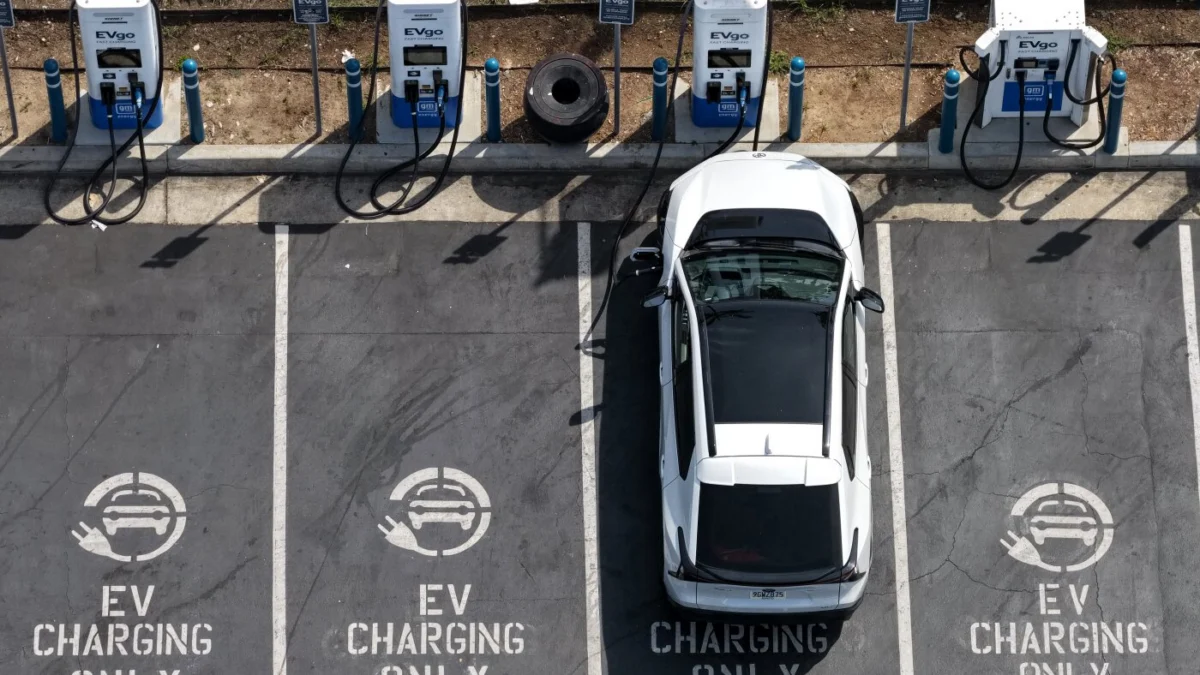
Electric vehicles, much like humans, perform optimally within a moderate temperature range, ideally between 65 and 75 degrees Fahrenheit. When ambient temperatures deviate significantly from this comfort zone, the efficiency of EV batteries diminishes. This reduced efficiency is compounded by the energy required to maintain a comfortable cabin temperature for occupants, leading to a noticeable decrease in the vehicle's driving range. AAA has recently conducted extensive testing to quantify this effect on modern electric vehicles, with findings indicating that hot weather can reduce range by an average of 8.5%, while cold weather imposes a more substantial penalty, cutting range by approximately 39%.
These latest findings build upon earlier research conducted by AAA in 2019, which examined a different set of electric vehicles. In that prior study, the impact of cold weather on range was found to be similar, but the reduction in range due to high temperatures was more pronounced, at 17%. While AAA cautions that direct comparisons between the two studies are complicated by the different vehicle lineups tested, the new data suggests that advancements in EV technology, including new battery chemistries, more efficient vehicle designs, and sophisticated software, have not significantly improved winter range performance. According to Greg Brannon, director of automotive engineering at AAA, the fundamental challenges of cold weather on battery performance have remained largely unchanged since 2019.
The implications of these test results are clear for EV owners and prospective buyers: drivers must anticipate a reduction in their vehicle's real-world range during winter months and, to a lesser extent, during peak summer heat. While EVs can remain a practical transportation option in diverse climates, successful adoption hinges on drivers' ability to plan for and adapt to these predictable fluctuations in range. Brannon emphasizes that overcoming these limitations is achievable, but it requires proactive planning and an understanding of how temperature affects EV performance.
AAA conducts its vehicle testing independently, funding the research as part of its commitment to providing valuable insights on emerging automotive technologies to its members. The research facility is situated at the Automotive Research Center in Los Angeles, housed within the historic headquarters of the Automobile Club of Southern California. This iconic Spanish Revival building, known for its stucco facade, red tile roofs, and a central courtyard featuring a century-old Moreton Bay fig tree, also offers amenities like smog checks, reflecting its long-standing role in serving California drivers.
Despite the picturesque setting, the facility is equipped for rigorous environmental testing. Tucked away within the building is a highly insulated chamber capable of simulating extreme temperatures, ranging from a frigid 20 degrees Fahrenheit to a sweltering 95 degrees Fahrenheit. This specialized room houses a chassis dynamometer, a piece of equipment described by Megan McKernan, who manages the research center, as akin to "a treadmill for a car." This system allows for controlled testing of vehicle performance under various temperature conditions without the vehicle actually moving.
The chassis dynamometer consists of two large steel rollers, each four feet in diameter, positioned beneath floor level. For each test, a vehicle is carefully driven onto these rollers, ensuring its wheels are the only point of contact. The vehicle is then securely fastened with heavy-duty chains to prevent any forward movement. Once positioned, a test driver, such as Richard Gonzalez, operates the vehicle's accelerator, causing the wheels to spin the rollers. This process simulates driving conditions, allowing researchers to measure how far the vehicle can travel on a single charge under specific, controlled temperature settings until the battery can no longer sustain highway speeds.
This methodology allows AAA to gather precise data on the range capabilities of different EV models under extreme heat and cold. The tests are time-consuming, with drivers often spending hours on the rollers, using podcasts or other diversions to pass the time. While Gonzalez reportedly prefers more dynamic testing scenarios, the controlled environment of the dyno is crucial for obtaining reliable data on battery performance and range limitations in varying thermal conditions.
It is important to note that the impact of cold weather on vehicle efficiency is not unique to electric vehicles. AAA's testing also included hybrid vehicles, revealing an average fuel economy decrease of nearly 23% in 20-degree Fahrenheit conditions. Experts like Ed Kim, chief analyst at AutoPacific, confirm that internal combustion engine vehicles also experience range degradation in cold weather. The Environmental Protection Agency estimates that gasoline-powered cars can see a 10% to 30% drop in fuel economy during cold weather, depending on the nature of the driving. This phenomenon, therefore, is a characteristic of vehicle operation in extreme temperatures rather than an EV-specific problem.
Despite the challenges posed by winter range loss, electric vehicles have gained significant traction in regions with colder climates. Norway, for instance, leads the world in EV adoption, with battery-electric vehicles accounting for 98% of new registrations in March 2026. This high adoption rate in a country known for its cold weather suggests that EVs can be a viable option even in challenging climates, provided drivers are aware of and prepared for potential range reductions.
In the United States, however, EV adoption has been more concentrated in warmer or milder states. While state policies and charging infrastructure availability are contributing factors, concerns about winter range performance, encompassing both legitimate worries and misinformation, are cited as significant barriers. Kim suggests that even with a notable reduction in range, many EVs would still adequately meet the daily driving needs of residents in colder regions, questioning how many individuals actually drive more than 200 miles in a single day.
To mitigate the effects of extreme temperatures on EV range, drivers can implement several strategies. Selecting a vehicle known for its superior performance in specific climates can be beneficial, with various guides available to help consumers make informed choices. Planning ahead, especially for long trips or for those without home charging capabilities, is crucial. Drivers should factor in potential range reductions when planning charging stops. For those utilizing fast chargers, it is advisable to charge when the battery is warmer, as charging speed can be slower on a cold battery.
Furthermore, Brannon recommends utilizing the "pre-conditioning" feature, which allows drivers to warm up the vehicle's cabin and battery while it is still plugged into a power source. This practice draws energy from the grid rather than depleting the vehicle's battery charge, thereby preserving range for driving. McKernan also points out that using heated or ventilated seats, rather than the primary climate control system (heating or air conditioning), can be a more energy-efficient way to maintain occupant comfort, as these systems consume less power.
Finally, maintaining proper tire inflation at the manufacturer-recommended levels and driving at moderate speeds are universal best practices for enhancing vehicle efficiency, regardless of the powertrain. These habits contribute to better fuel economy and extended range for all types of vehicles, whether they are powered by gasoline, electricity, or a combination of both, and are effective across all temperature ranges.


