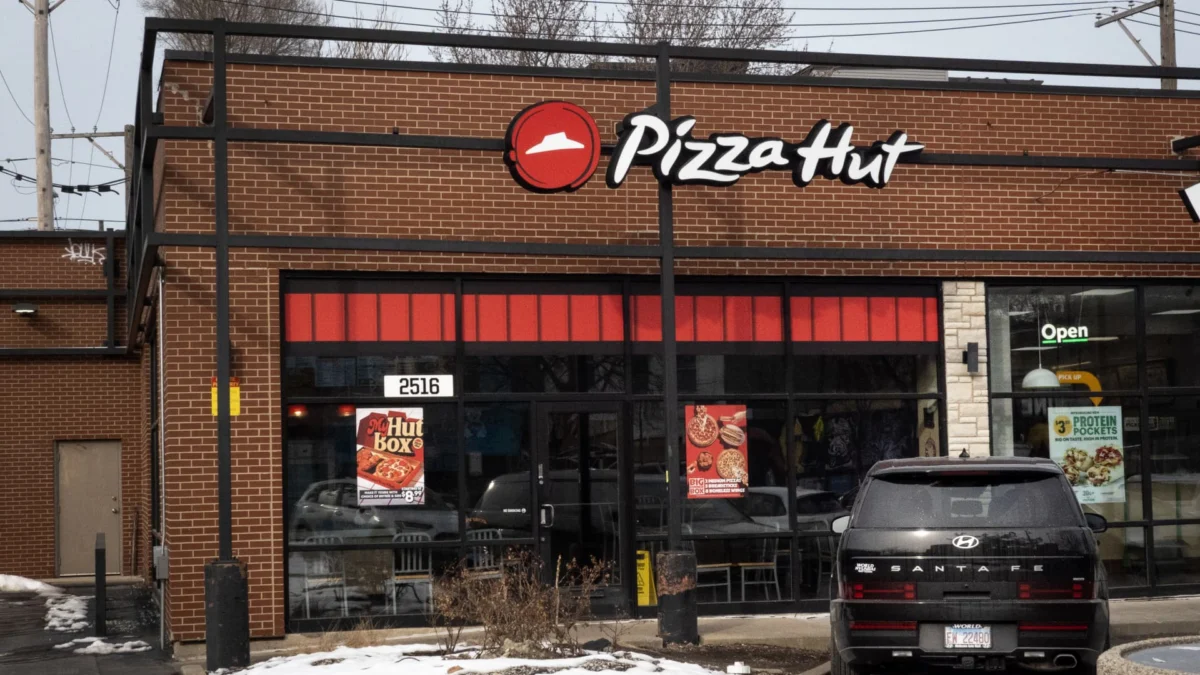
Yum Brands announced it is selling Pizza Hut to private equity firm LongRange Capital for roughly $1.5 billion, with Yum China acquiring the mainland China locations in a separate transaction for about $1.2 billion. The total deal value, including both segments, is around $2.7 billion, positioning the sale as a major pivot after years of struggle for the iconic chain. Rival Domino’s Pizza has steadily increased its market share, a dynamic that has weighed on Pizza Hut’s performance within Yum’s portfolio. Yum had disclosed in November that it was exploring strategic options for Pizza Hut, and on Tuesday said the leadership and board determined that selling the chain would provide the strongest path to maximize shareholder value and align the pizza business with its distinct markets and long-term priorities.
Across the two transactions, Yum expects net proceeds of about $2.3 billion after taxes, closing adjustments and fees, while excluding a potential earn-out of $75 million by 2030 from LongRange. In addition, Yum anticipates one-time expenses of roughly $85 million in the remainder of 2026 tied to the deals. The completion of the sales is targeted for the third quarter, pending regulatory approvals, with more detailed financial impacts to be discussed during Yum’s second-quarter conference call on July 30.
Pizza Hut’s footprint spans nearly 20,000 locations across 108 countries and territories, underscoring its long history within the Yum Brands portfolio. In Yum’s regulatory filings, Pizza Hut reported annual system sales of about $12.8 billion for 2025, demonstrating the scale of the business being realigned. The United States has been Pizza Hut’s largest market, accounting for around 40% of system sales, followed by China with roughly 20% of system sales. The deal effectively disentangles Pizza Hut from Taco Bell and KFC, its sister brands under Yum’s umbrella since the PepsiCo era, a relationship that traces back to the chain’s 1958 origins in Wichita, Kansas.
Industry observers note that Domino’s has for years eroded Pizza Hut’s market share, a trend compounded by the growth of third-party delivery platforms that have diverted sales. The sale marks a strategic shift for Yum as it refocuses on core brands and their international expansion, with Pizza Hut’s future ownership now aligned with LongRange’s private equity approach and Yum China’s standalone stake for the China operations.
As the market digests the deal, investors will be watching how the separations affect Yum’s overall financial trajectory, including any tax implications, future capital allocation, and the potential for future reorganizations of its brand portfolio. Yum’s management will furnish additional details during the quarterly call, with regulatory clearance remaining a key milestone for closing the transactions.


