With the highly anticipated 2026 FIFA World Cup just weeks away, a significant portion of hotels in host cities are reporting booking numbers that fall considerably short of initial projections. A recent survey conducted by the American Hotel and Lodging Association (AHLA) indicates that nearly 80% of surveyed hotels are experiencing lower-than-expected reservations, a trend that has raised concerns within the industry.
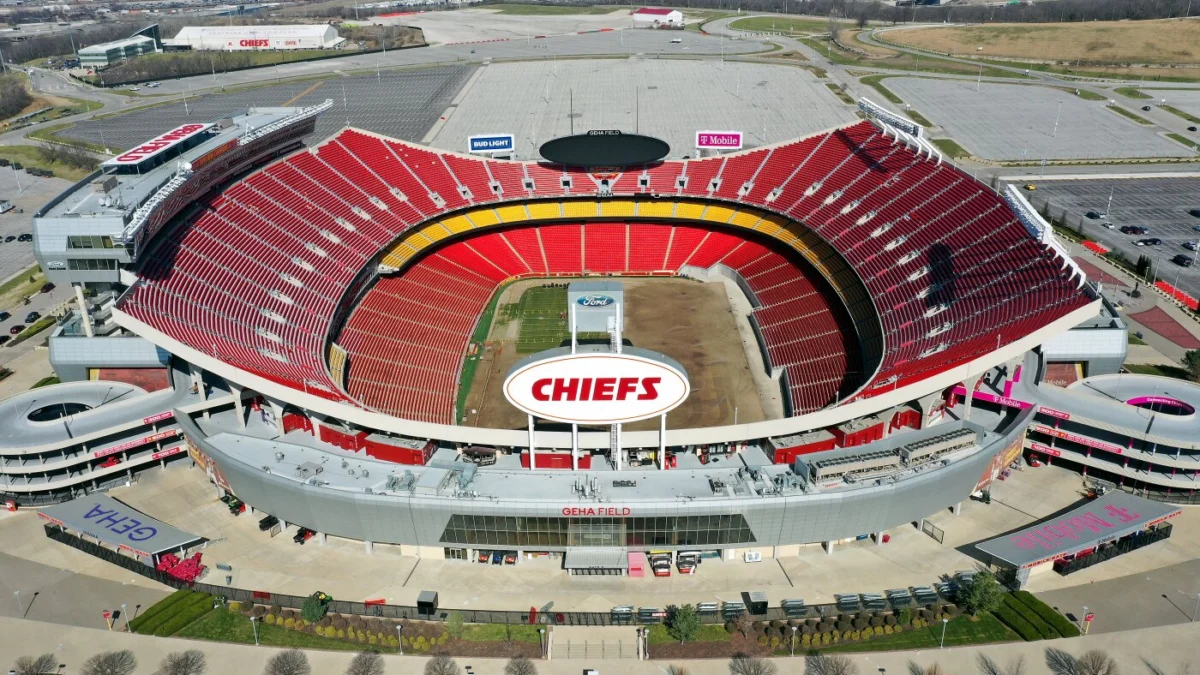
The survey, which polled 205 respondents representing hotel owners and operators across multiple World Cup markets, found that in some areas, such as Kansas City, hotel bookings are even trailing behind typical occupancy rates for June and July. This situation is particularly worrying given the global scale of the event and the substantial investment hotels have made in anticipation of a surge in visitors.
According to the AHLA report, the shortfall in bookings is attributed to a confluence of factors. A key element is the lower-than-anticipated number of international travelers making their way to the United States. Compounding this issue are significant cancellations initiated by FIFA, the governing body of the World Cup, which have left many hotels with a surplus of available rooms.
Despite the reported sale of over 5 million tickets for the tournament matches, this strong demand has not yet fully translated into robust hotel reservations. This outcome is a departure from expectations, as the hotel industry had been preparing for a busy summer season in 2026. The World Cup is being hosted across the United States, Canada, and Mexico, with 11 U.S. cities scheduled to host games.
Adding to the anticipated influx of visitors was the United States' celebration of its 250th anniversary, an event that was also expected to draw a considerable number of foreign tourists. The AHLA emphasizes the importance of overseas visitors to the hotel sector, noting that they typically contribute more significantly to revenue through longer stays and higher spending.
In Kansas City specifically, the situation appears more acute, with 85% to 90% of surveyed hotels reporting bookings below their projected figures. However, tournament organizers in Kansas City have offered a different perspective. Representatives from Visit KC and the Kansas City Sports Commission have stated that embassy staff in countries like the Netherlands are increasing their presence in the city, anticipating a substantial number of visitors. Kathy Nelson, CEO of Visit KC, reiterated the city's ambitious goal of attracting 650,000 visitors throughout the World Cup duration.
Conversely, some host cities are experiencing more positive booking trends. Approximately half of the hotels surveyed in Atlanta reported that their bookings were either meeting or exceeding projections. Similarly, about 55% of respondents in Miami indicated that their booking numbers were stronger than initially anticipated, suggesting a more varied landscape across the host cities.
The survey results may reflect a broader trend of fewer international travelers planning trips to the U.S. This phenomenon is linked to a variety of factors, including the U.S. administration's immigration policies. The AHLA's report suggests that the path for many international World Cup travelers to enter the U.S. may be perceived as more challenging, citing concerns about lengthy visa wait times, increased visa fees, and ongoing uncertainties regarding entry procedures.
Further contributing to this perception are the strength of the U.S. dollar and apprehensions about airport screening processes. These elements, according to the AHLA, create a growing impression that visiting the U.S. for the World Cup could be both more complicated and more expensive than in previous international events.
Despite these concerns from the hotel industry, FIFA continues to highlight the unprecedented demand for the tournament and anticipates breaking attendance records. A White House spokesperson, Davis Ingle, previously commented on the expected demand, describing the World Cup as a potentially "greatest and most spectacular events in the history of mankind" and emphasizing President Trump's focus on ensuring a safe and secure experience for all attendees and visitors.


