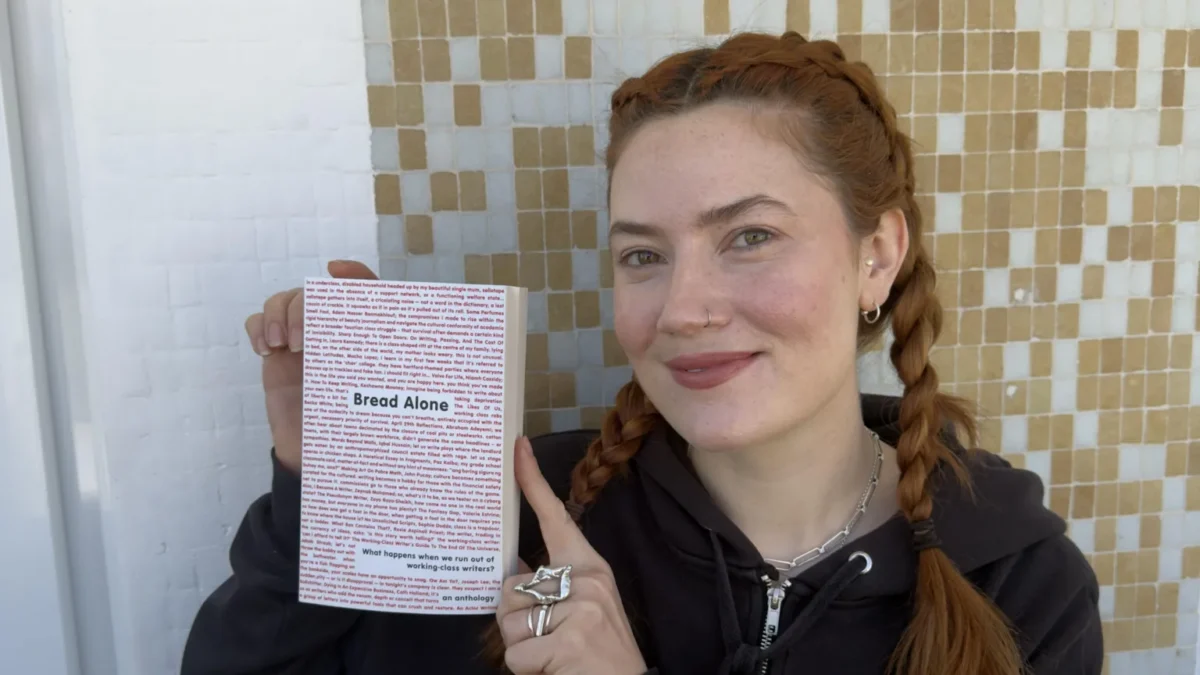
A new book edited by Kate Pasola highlights the significant decline in working-class representation within creative industries, arguing that their unique perspectives are crucial for a vibrant cultural landscape. Pasola, a writer from Prudhoe, Northumberland, experienced firsthand the "class ceiling" in the writing world, realizing that financial constraints often force talented individuals to abandon their aspirations.
Pasola's edited collection, "Bread Alone: What Happens When We Run Out of Working-Class Writers," features 33 essays that delve into the systemic obstacles faced by individuals from lower socioeconomic backgrounds. The initiative to curate this collection stemmed directly from Pasola's conviction about the importance of class in shaping cultural narratives. She aimed to gather a multitude of voices offering diverse viewpoints on this complex issue, acknowledging its multifaceted nature both within the UK and globally.
Data underscores the severity of this issue. The Creative Mentor Network reports that the proportion of working-class individuals in creative roles has halved since the 1970s. Further compounding this, a study by the Sutton Trust indicates that a mere 10% of writers originate from working-class backgrounds. Pasola herself had to step away from journalism temporarily due to the escalating cost of living, an experience that heightened her awareness of these socioeconomic barriers. She recalled feeling alienated at university, surrounded by peers from private schools who showed little interest once her background became apparent.
"When an opportunity came along to curate a collection of essays, the first word that just fell out of my mouth was 'class'," Pasola stated. "I always knew that I wanted [it] to be something that included many voices giving many different perspectives on the topic, because obviously it's such a multi-faceted issue in the UK and globally."
A survey conducted by the business publication The Bookseller revealed that nearly 80% of individuals from working-class backgrounds believe their social class has negatively impacted their careers. Charities such as Newcastle-based New Writing North are actively working to dismantle these barriers. Claire Malcolm, the founder of New Writing North, noted that pressures like the cost-of-living crisis exacerbate the challenges for aspiring professionals in the creative sector.
"I think a lot of people get put off very early on because they don't see any role models or people like them in some of the places they look," Malcolm explained. "So it's hard to be it if you can't see it." To address this, New Writing North launched "The Bee" last year, a literary publication dedicated to showcasing working-class experiences, supported by their "A Writing Chance" program.
Malcolm emphasized that amplifying these voices is vital for reflecting the diversity of those shaping the nation's culture. "You don't see working-class or northern voices represented well in the national media and that creates a deficit," she observed. Pasola, however, views representation as merely the initial step. "If you don't give platforms for those stories to be told, then the cultural landscape just becomes a very dull, homogeneous place," she argued. "Sometimes we get we get caught up in talking about why we need to include people from the North East, or people from working-class backgrounds, for the 'sake of the arts', but voices from working-class backgrounds have always enriched culture for the better because they have different stories to tell."