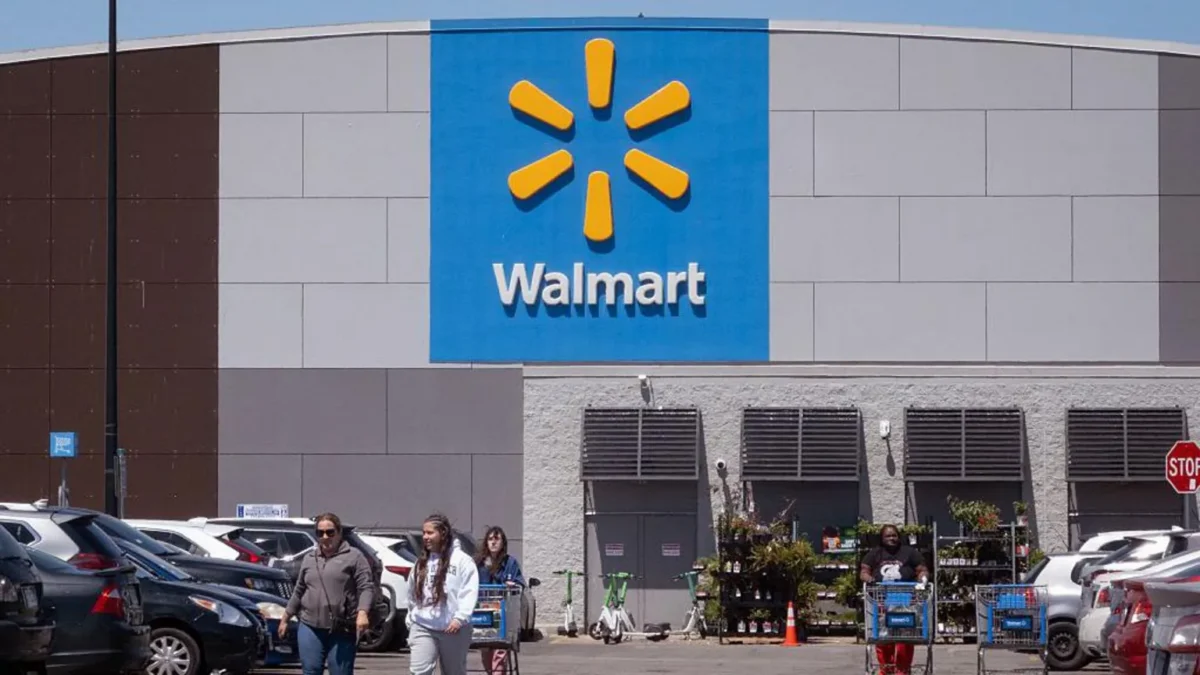
Walmart has issued a warning that U.S. consumers are beginning to reduce their spending on non-essential items as elevated gasoline prices continue to impact household budgets. The retail giant anticipates a significant slowdown in its sales growth for the period between May and July, a stark contrast to the preceding three months, attributing this trend directly to higher fuel costs.
Consumer Strain Intensifies
The ongoing conflict in the Middle East has triggered a substantial increase in wholesale oil prices, which has, in turn, driven up the cost of gasoline for American consumers. Data from the motoring group AAA indicates that the average price for a gallon of gas has reached $4.56, a notable rise from approximately $3 at the onset of the conflict.
John David Rainey, Walmart's finance chief, explained in a CNBC interview that while higher tax refunds, stemming from President Donald Trump's tax cut legislation, had previously helped offset the rising cost of living, this effect is now diminishing. He cautioned that consumers are likely to experience greater pressure from elevated fuel prices as these tax refunds are no longer a significant factor.
Rainey stated that Walmart is closely monitoring gas prices, which are expected to remain high in the coming months. As the largest private employer and one of the leading retailers in the U.S., Walmart's financial performance provides a key indicator of how American consumers are being affected by the economic fallout from the Iran war.
Supply Chain and Food Price Concerns
During a call with investors, Rainey also raised concerns about potential food price increases. He warned that a continued closure of the Strait of Hormuz could disrupt the supply of essential agricultural inputs like fertilizer, nitrogen, and phosphates, potentially forcing Walmart to raise food prices.
Walmart reported a first-quarter profit of $5.3 billion for the period from February to April, marking an 18.8% increase compared to the previous year. Sales for the quarter climbed 7.3% year-on-year, reaching $177.8 billion. However, the company cautioned that this growth rate is projected to decelerate to between 4% and 5% for the May to July quarter as the increasing cost of living continues to affect consumer behavior. In reaction to this cautious outlook, Walmart's shares experienced a 7% decline on Thursday morning.


