With Iran and allied forces moving toward a ceasefire extension and a potential reopening of the Strait of Hormuz, market and shipping observers are scrutinizing how quickly traffic might resume through the waterway. President Trump publicly urged that ships could soon sail unimpeded, but officials, industry groups, and analysts say the practical path to normal transit is uncertain, with security, legal, and operational questions still to resolve.
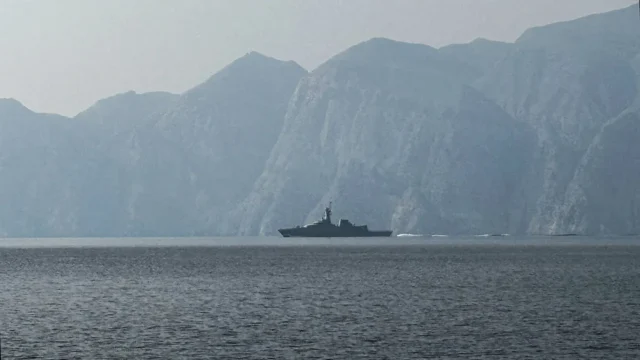
Prior to any agreement, Iran’s control of the Strait of Hormuz had disrupted global shipping and contributed to higher insurance costs and route adjustments during the months-long conflict with the United States and its partners. Analysts note that throughput was limited by security concerns, and ships faced frequent changes in routes and elevated risk premiums. De-mining efforts have been under way, including the opening of a southern passage off Oman as a means to reduce the risk of encounters with coastal mines. Officials described these actions as part of a broader, multilateral effort, with allied partners signaling involvement in mine clearance as part of a coordinated security approach.
Even with a pledge of progress, there is no fixed timetable for full, unimpeded transit. A U.S. official briefing reporters suggested that transits via the southern route could reach a higher cadence in the near term, with normalization expected as demining and assurances of safe passage accumulate. Analysts caution that, despite formal agreements, confidence among shipowners is likely to grow gradually as operators assess residual risks and confirm that critical transit lanes are free of mines.
Questions also remain about who would pay for navigation facilities or fees and how maritime laws and toll conventions would apply in a post‑deal environment. Iran’s Foreign Ministry spokesman indicated vessels would pay service fees for navigation-related facilities rather than tolls, a distinction legal scholars say has no clear basis in international law for charging passage through an international waterway. The debate over tolls versus fees highlights ongoing governance questions for the Strait in a post‑deal setting.
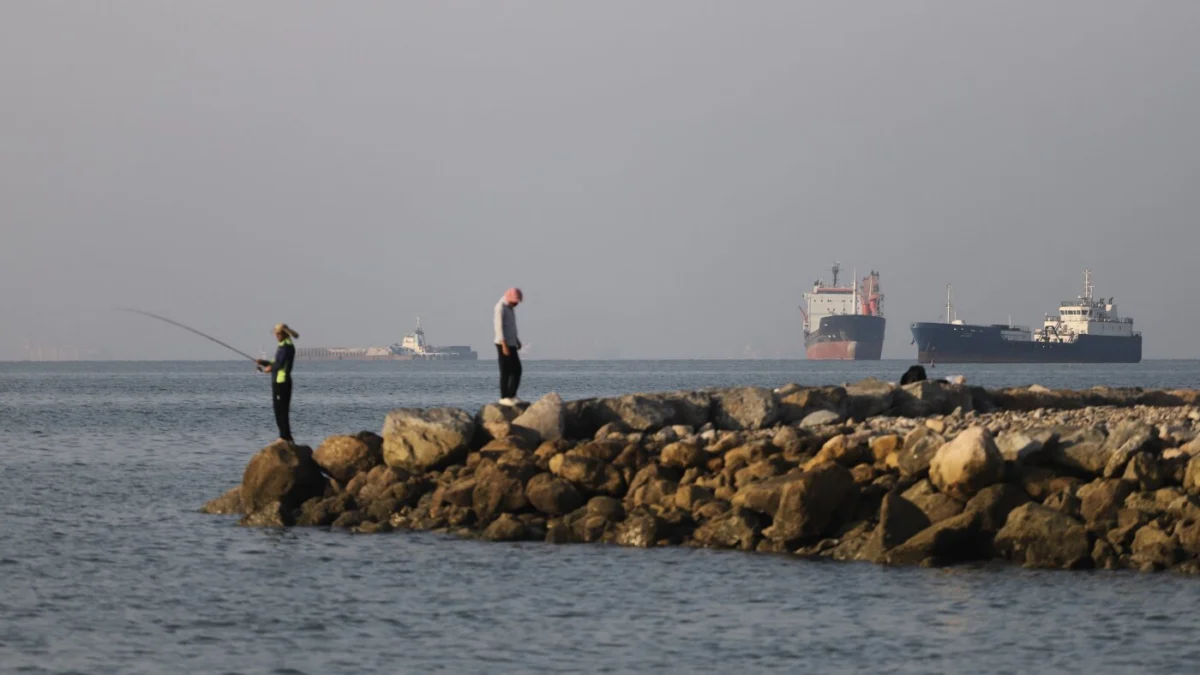
Market participants have been watching for developments that could ease supply-chain pressures and influence prices for crude and refined products if traffic resumes. Observers will also monitor how vessel queues and port operations recover and how insurance premia might adjust as the security situation evolves. In the near term, the pace of traffic resumption will depend on the effectiveness of demining, the credible enforcement of safety assurances, and Iran’s willingness to permit free passage, alongside the credibility of security arrangements that support safe navigation.
As the situation evolves, observers expect a cautious, staged return to normal traffic rather than an abrupt surge. The Strait of Hormuz has long been a chokepoint whose governance affects energy shipments and regional stability. While any agreement offers a constructive signal, the path from headline framework to steady, routine transit will test regional logistics, shipping incentives, and maritime law enforcement.
For energy markets and shipowners, the immediate signal is whether the southern route off Oman becomes a primary artery for renewed shipments and whether the lingering risk of disruption can be managed through ongoing international cooperation and verified demining progress.