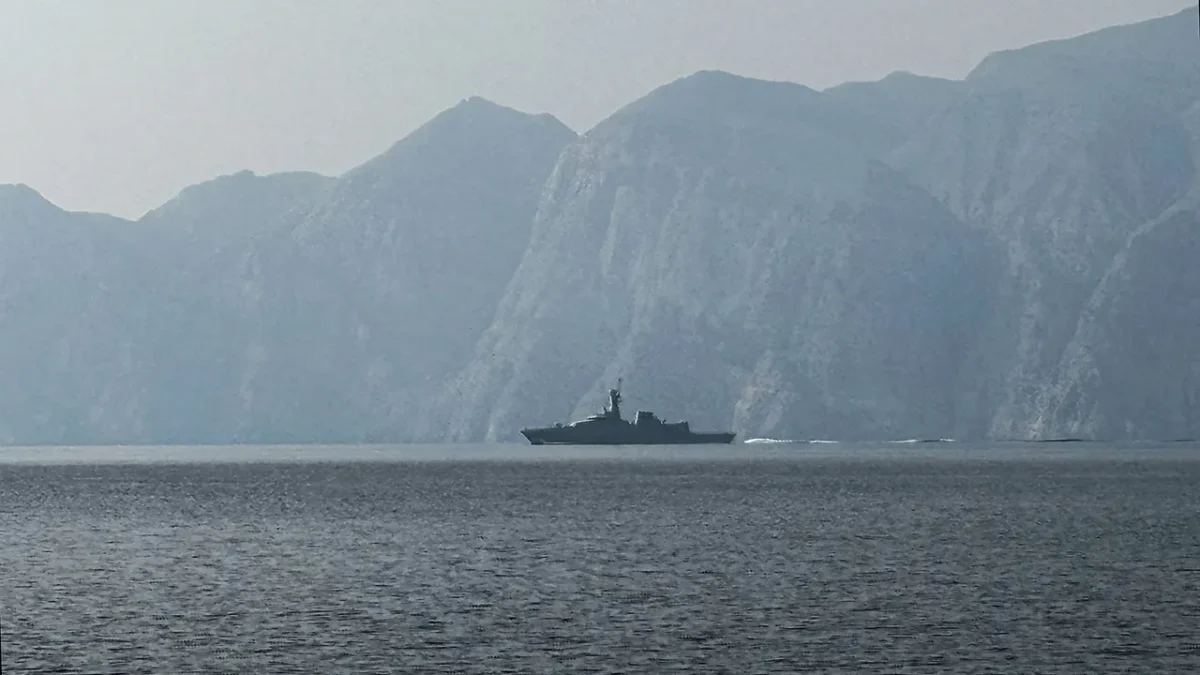
Oil prices wavered on Wednesday as investors cautiously awaited a forthcoming U.S.–Iran agreement that could fully reopen the Strait of Hormuz to commercial traffic. The developing framework, which sources say includes a 60-day ceasefire and a reopening of the Hormuz chokepoint, helped markets move but left some uncertainty about whether prices would return to pre-war levels.
Brent crude, the global benchmark, rose more than 1% to hover around the $80 per barrel mark for a time before pulling back to roughly $79. West Texas Intermediate (WTI) crude, the U.S. benchmark, likewise advanced more than 1% to near $77 per barrel, later easing to about $76.60. Traders noted that prices have not yet stabilized at the pre-war range of roughly $65 to $75 per barrel, even as the anticipated accord signals a potential shift in supply routes and regional risk.
The market narrative centered on whether the Strait of Hormuz would be reopened to commercial traffic, a change that could influence global oil flows and prices. The talks come after Iran’s regime and U.S. officials signaled progress toward a broader framework, though the precise terms remain under discussion. Market chatter suggested investors were weighing outcomes while monitoring geopolitical dynamics in the Persian Gulf.
At the same time, the dispute has fed into broader market dynamics, including stock prices that have moved in tandem with oil sentiment. President Donald Trump, speaking at the G7 Summit in France, highlighted what he described as progress in negotiations and referenced rising stock prices as evidence the talks were advancing. He also asserted expectations that the Strait of Hormuz would be opened “in full” within days as part of the deal, a view that has been echoed in various market briefings and political commentary.
Industry observers have noted that, before the latest round of U.S.–Iran engagement, roughly 20% of crude oil traversed the Hormuz Strait, underscoring the chokepoint’s strategic importance. The framework’s potential timing and the fate of the Hormuz reopening carry implications for global supply expectations and pricing dynamics in the near term.
Analysts cautioned that while the framework has spurred optimism, traders remain focused on concrete terms and operational details that would determine actual oil flows and risk premiums. In markets where near-term uncertainty has historically trimmed volatility, any concrete move to restore normal Hormuz traffic could shift pricing toward the lower end of recent ranges as supply expectations normalize.
As the week unfolds, investors will continue to watch for official sign-offs, the specifics of the ceasefire duration, and assurances that traffic through Hormuz will resume without friction. The unfolding phase in U.S.–Iran diplomacy remains a significant market driver for oil, currencies, and equity sentiment as traders reassess exposure to energy-linked risks.


