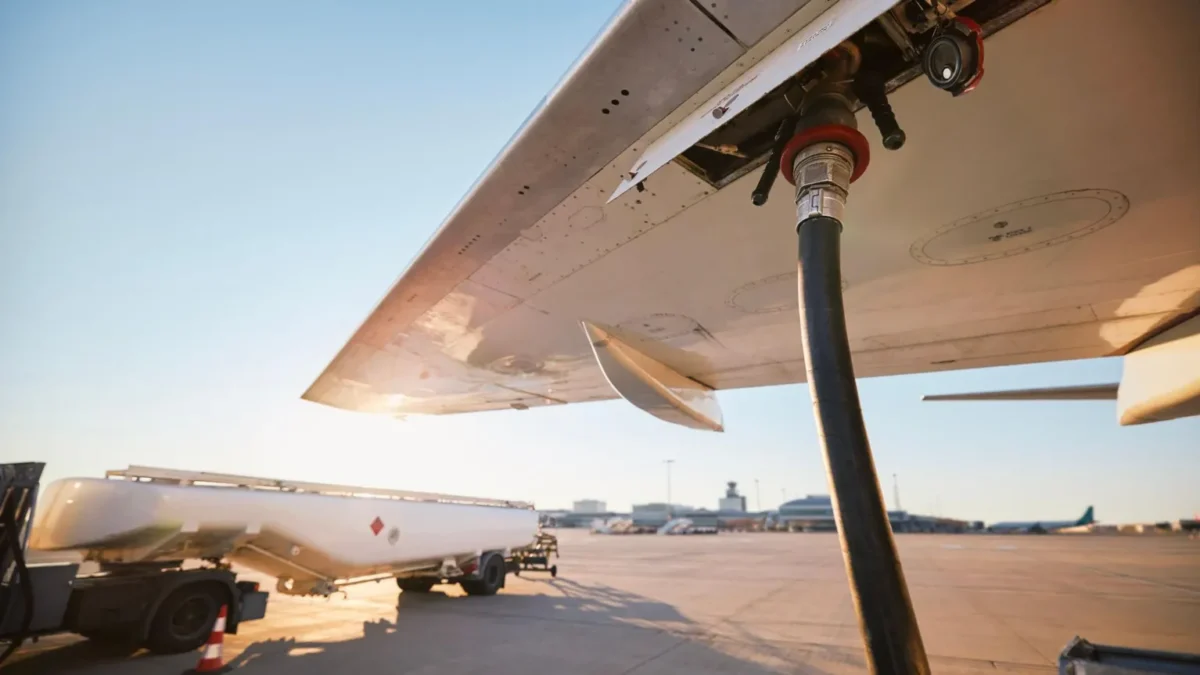
The UK government has pledged to ban imports of diesel and jet fuel refined from Russian crude by 1 January 2027, as part of a broader package of sanctions tied to the war in Ukraine. The plan follows a May announcement that the use of such fuels refined in third countries would gradually be phased out, with officials citing the need for flexibility amid global oil supply considerations.
The move drew criticism from some quarters, including the EU, which warned that now may not be the time to roll back sanctions on Moscow. Trade Minister Chris Bryant characterized the end-date as a clear signal that the UK intends to “continue to ratchet up maximum pressure on Russia.” Officials said the temporary licence governing imports would be reviewed every two weeks, and that the review process could lead to revocation before the 1 January 2027 deadline. Bryant stressed that the House of Commons would be kept updated, adding: “we would review the temporary general licence for diesel and jet fuel on a fortnightly basis and lift it as soon as practicable.”
Officials said the end-date would be added to the licence at the latest by 1 January 2027, while promising to keep the licence under continuous review. Market observers have noted that global oil prices have been influenced by the conflict involving the US, Israel and Iran, with tensions around the Strait of Hormuz tightening supplies. Brent crude, which traded near $70 a barrel before the conflict, has risen to around $87 as negotiations to end the hostilities progress.
Foreign, Commonwealth and Development Office Minister Stephen Doughty said the new measures would block refined oil produced from Russian crude from entering the UK via third countries, emphasizing that the government intends to maximize pressure on Russia while maintaining domestic stability. Critics, including campaigners and observers, described the decision as “absurd” and contended it would channel billions of pounds of financing to Russia’s war effort. In remarks carried by the BBC, Sir Bill Browder—an outspoken critic of Vladimir Putin—raised similar concerns, arguing that the policy creates a paradox between supporting Ukraine and financing Russia’s ability to wage war.
The policy stance comes as the broader sanctions framework remains under review, with officials signaling continued vigilance over the balance between pressure on Moscow and the risk of unintended consequences for the UK economy and global energy markets.


