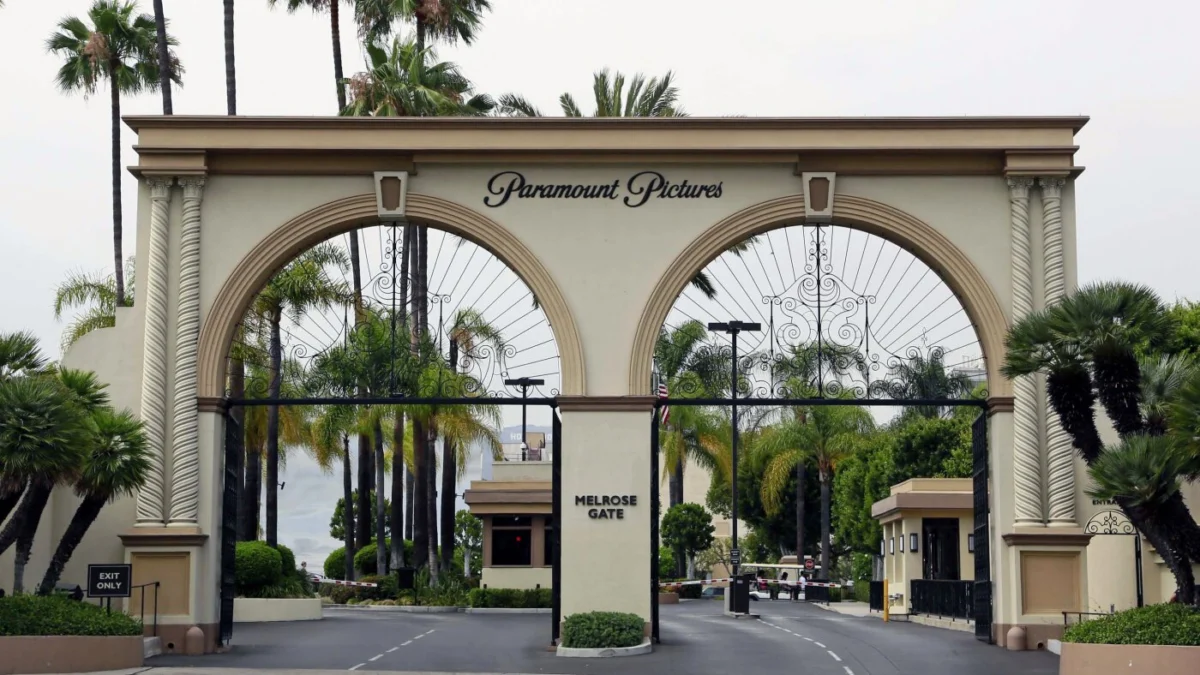
The U.S. Department of Justice has approved Paramount Global’s planned takeover of Warner Bros. Discovery in a deal valued at $111 billion, clearing a major regulatory hurdle for the merger of two of Hollywood’s biggest studio names. The approval comes after an antitrust review that the department said found no threat to competition or to consumers across film, broadcast television, or streaming services. The decision removes a key obstacle to the consolidation of Paramount, owner of CBS, including CBS News, with Warner Bros. Discovery, a company that encompasses Warner’s film and television properties as well as HBO and CNN.
DOJ officials argued that the deal would not lessen competition because the streaming landscape has broadened options for viewers and amplified competition among traditional Hollywood studios, including Netflix, Apple, and Amazon, alongside smaller streaming platforms. The department also noted that consumers are unlikely to lose access to content given the range of other outlets available, even as critics worry about further concentration in the industry’s ownership.
California Attorney General Rob Bonta, who has been scrutinizing the deal for antitrust concerns, echoed caution on social media after the approval, stating that the merger is “not a done deal and remains under investigation by my office.” Paramount framed the merger as pro-competitive, arguing it would create a stronger company better positioned to compete against dominant technology platforms in a market defined by fierce competition for audiences, talent, technology, and investment.
The consolidation would place David Ellison, the son of Oracle co-founder Larry Ellison, at the helm of Warner Bros. studio operations and its cable and streaming properties, including CNN and HBO. The Ellison family also took control of Paramount and CBS the previous year.
As the deal advances, Hollywood insiders and industry groups have raised concerns that the merger could tighten market concentration, potentially affecting jobs and the mix of creative content. In April, thousands of directors, actors, writers, and other industry figures publicly opposed the merger in an open letter, underscoring ongoing tensions around consolidation and its potential impact on the industry’s future.
Paramount said it intends to complete the merger as quickly as possible, highlighting benefits for consumers, creators, and the broader entertainment ecosystem. NPR’s reporting, with contributions from other reporters, reflects ongoing coverage of this landmark deal as regulatory reviews continue in other jurisdictions, including the European Union.


