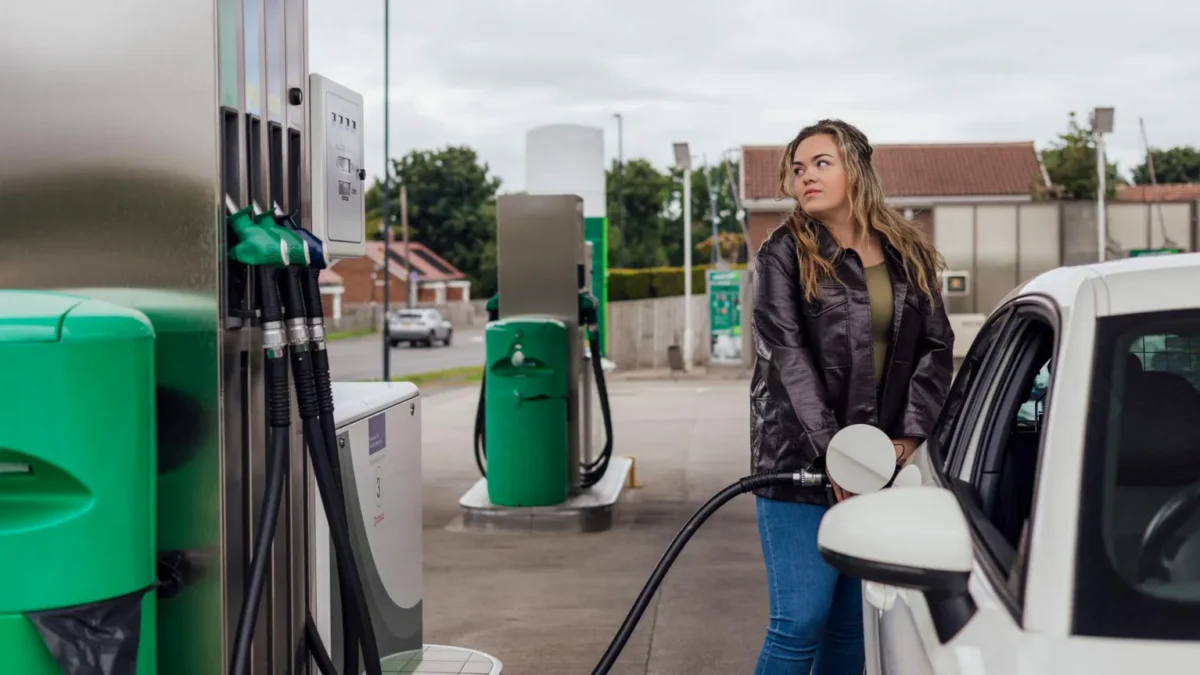
The United Kingdom government has announced an extension of the fuel duty freeze until the end of the current year, a move aimed at providing relief to drivers facing escalating fuel costs. This decision means the reduced tax rate on petrol and diesel, initially implemented in 2022, will continue beyond its previously scheduled September conclusion.
The current fuel duty rate was first introduced by the previous Conservative government following Russia's full-scale invasion of Ukraine, which significantly impacted global energy markets and led to price surges in 2022. More recently, the price of petrol and diesel has seen further increases, attributed by sources to the ongoing conflict between the US and Iran, which has disrupted global supplies of oil and liquefied natural gas.
Prime Minister Keir Starmer confirmed the extension in the House of Commons, stating, "We're backing drivers by extending the freeze on fuel duty." Downing Street indicated that this measure would cost the government approximately £455 million for the current tax year. The Prime Minister's official spokesman attributed the government's ability to maintain the freeze to improved economic growth figures.
Fuel duty was originally reduced by 5p per litre in March 2022 as part of the Spring Statement. This cut was intended to last for 12 months but has since been subject to multiple extensions. Prime Minister Starmer cited recent events in the Middle East as a key factor in his decision to prolong the freeze.
On Monday, the average price of petrol reached its highest point since the commencement of the Iran war, hitting 158.52p per litre, according to data from the RAC. In addition to the general fuel duty freeze, Starmer also revealed plans to reduce the duty rate on red diesel by over a third, bringing it down to 6.48p per litre from mid-next month until the year's end. This specific reduction is anticipated to benefit farmers who rely on red diesel for tractors and other agricultural machinery.
Furthermore, the government announced a 12-month suspension of vehicle excise duty for Heavy Goods Vehicles (HGVs). This initiative is intended to help the haulage industry cope with elevated supply chain costs, which can ultimately affect consumer prices. The measure is projected to save hauliers around £600 for a typical heavy lorry.
However, questions remain about future fuel duty policy. Simon Williams, head of policy at the RAC, noted that it is unclear what will happen next year, posing whether drivers will face the full 5p increase at once, a phased increase, or a complete abandonment of any rise.
Conservative leader Kemi Badenoch acknowledged Prime Minister Starmer's announcement, characterizing it as a "U-turn" on fuel duty, a policy her party had advocated for in March. Sir Mel Stride, shadow chancellor, also claimed the government was compelled to reverse its stance due to pressure from the Conservatives, asserting that Labour's proposed fuel tax increase would have negatively impacted businesses and families.


