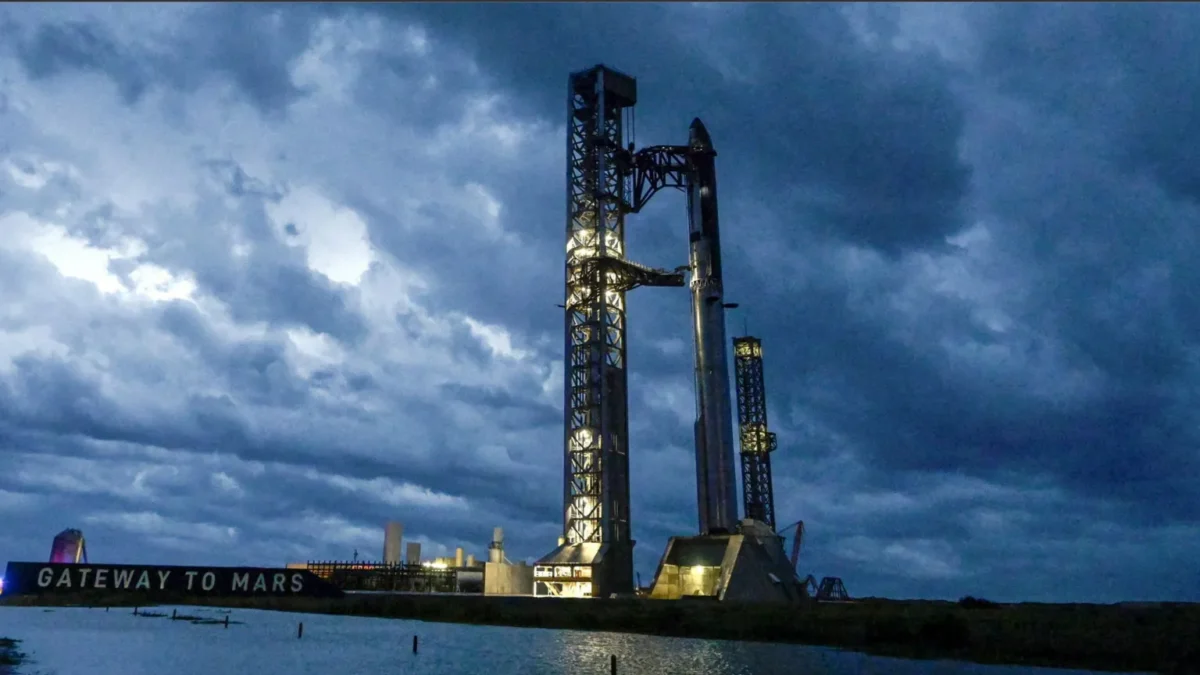
SpaceX, the aerospace company founded by Elon Musk, has postponed its latest Starship rocket launch, with a new attempt scheduled for Friday. This delay follows closely on the heels of the company's announcement of plans for a monumental initial public offering (IPO). The successful launch of its powerful new rocket is anticipated to bolster investor confidence as SpaceX prepares for its market debut.
IPO Plans and Potential Trillionaire Status
The planned IPO is targeting the Nasdaq stock market and is poised to be the largest in Wall Street history, potentially commencing next month under the ticker symbol SPCX. Elon Musk, already the world's wealthiest individual, could become the first-ever trillionaire due to his significant share ownership in SpaceX following the listing. This potential wealth surge builds on his previous milestone, having become the first person to surpass a net worth of $500 billion last year.
Technical Glitch and Launch Details
Elon Musk cited a malfunctioning hydraulic pin on the launch tower as the cause for the postponement, communicating the update via social media. He indicated that if the issue could be resolved overnight, another launch attempt would be made the following day at 5:30 CT (10:30 GMT). This uncrewed launch is set to showcase the Starship V3 rocket, marking its debut after extensive testing delays. According to its IPO filing, SpaceX has invested over $15 billion in the Starship program, describing it as "the most powerful launch system ever developed." The Starship V3 is designed to carry a payload of 100 metric tons, with future iterations planned to double this capacity. The rocket features numerous upgrades aimed at facilitating rapid deployment of Starlink satellites and supporting NASA missions.
Financial Performance and Valuation
SpaceX, officially known as Space Exploration Technologies, reported $18.6 billion in revenue for the past year, alongside a net loss of $4.9 billion. For the first quarter of this year, the company achieved $4.7 billion in sales but incurred a net loss of $4.3 billion. The company currently values itself at $1.25 trillion, and Musk's substantial ownership stake could translate to his shares being worth over $600 billion.


