Dover Port Anticipates Delays Due to New EU Border System
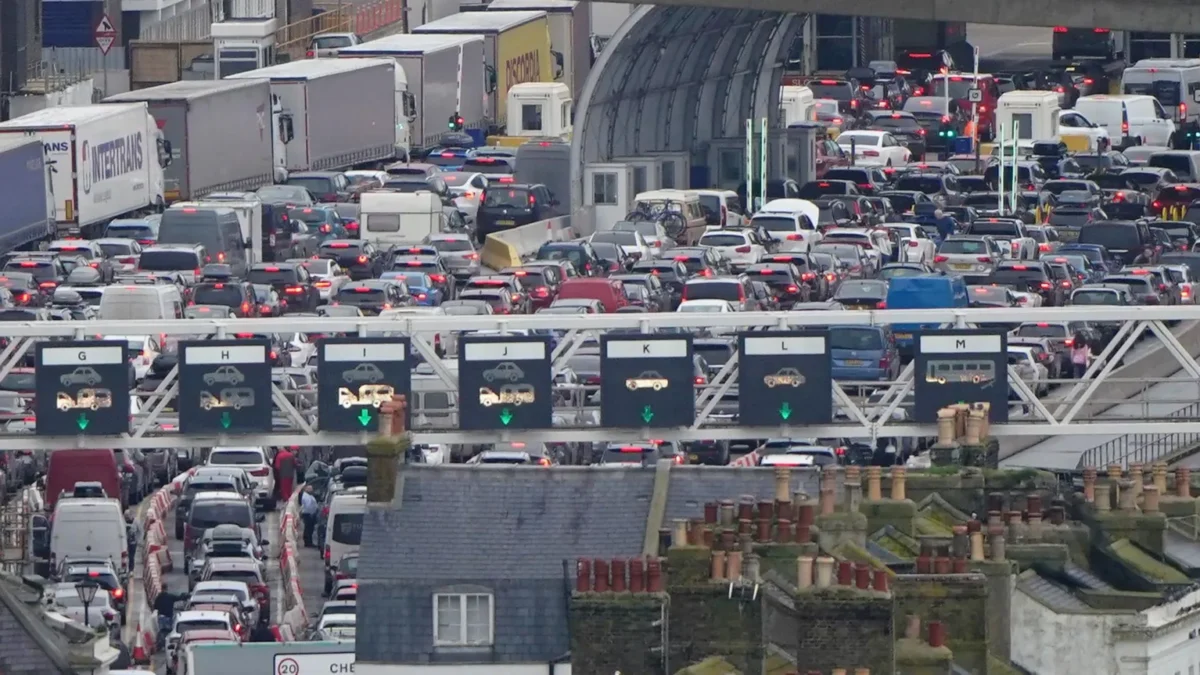
The Port of Dover is advising ferry passengers to prepare for potential delays as the half-term holiday travel period commences. This marks the first significant holiday rush since the European Union's new Entry Exit System (EES) was fully implemented across external Schengen borders on April 10. While the EES aims to enhance border security by collecting biometric data such as fingerprints and photos, its full deployment has encountered staggered adoption among member states.
At the Port of Dover, French authorities have not yet activated the machines designated for capturing biometric data under the EES for car passengers. Despite this, border officials are still required to perform a portion of the EES process for each traveler, which involves creating a profile linked to the new system. This partial implementation is expected to extend processing times at the border.
The port has issued guidance to travelers, urging them to arrive no more than two hours before their scheduled ferry departure to help manage congestion. They also recommend ensuring travel documents are readily accessible for inspection and to pack essentials like water, snacks, and entertainment, particularly for families with children. The port also stressed the importance of allowing pets adequate rest and exercise before travel. For those who might miss their intended sailing due to unforeseen delays, the port has assured that passengers will be accommodated on the next available departure.
An estimated 18,000 cars are anticipated to pass through Dover between Friday and Sunday, with Saturday projected to be the busiest day. Additionally, approximately 400 coaches are expected on Friday alone. To mitigate severe traffic buildup and prevent local roads from becoming gridlocked, the Lydden Hill car racing circuit has been designated as a contingency site to hold vehicles if queues become exceptionally long. The port also noted that border authorities retain the option to suspend the EES entirely should significant delays materialize.
Cross-Channel and European Travel Updates
Similar to Dover, the Channel Tunnel operator Eurotunnel's Folkestone terminal is also experiencing a partial rollout of the EES. French authorities there have not yet enabled the biometric data collection machines for car passengers. Border officials are currently creating traveler profiles, but full biometric capture is not yet in effect. Eurotunnel has not issued specific warnings regarding delays.
Meanwhile, Eurostar's hub at London St Pancras station, another key point for French border checks for departing passengers, is also in a transitional phase. While border police have been creating passenger files and, in some instances, collecting biometric information, most travelers have not yet utilized the automated machines.
In a move that may alleviate some concerns for British travelers, Greece has indicated that its borders will not impose biometric checks on British passengers this summer. This comes as some airports have recently seen extended queues at border control upon arrival, and in April, around 100 individuals were reportedly left stranded in Milan after a flight to Manchester departed without them.
Kenton Jarvis, the chief executive of EasyJet, expressed his concerns on Thursday, describing the issues stemming from the EES as "unacceptable." However, he also acknowledged observing "some reduction in some of the queues." Jarvis encouraged European nations to leverage their flexibility by reverting to manual passport stamping if necessary to ease congestion.
Airlines EasyJet and Jet2 have issued reassurances to customers regarding their holiday bookings, confirming the absence of fuel supply issues. Despite this, a noticeable trend has emerged where travelers are booking their holidays later than usual. This hesitancy is reportedly linked to concerns about the potential impact of the Middle East conflict on the future availability of jet fuel.
The travel association ABTA reported strong demand for holidays to popular destinations including Spain, Italy, the Balearic and Canary Islands, Portugal, Croatia, and Greece. Majorca, Alicante, and Tenerife are noted as particularly sought-after locations for beach holidays. ABTA also highlighted that consumers are currently prioritizing value for money and a sense of security when planning their trips.
On the domestic front, the RAC anticipates that the upcoming late May bank holiday weekend will be the busiest for road travel in the United Kingdom in two years, with an estimated 19 million getaway trips planned. This surge in travel may necessitate the return of Operation Brock, a traffic management scheme designed to manage congestion on routes to the Channel.


