The chief executive of Saudi Arabia's state-owned oil giant, Saudi Aramco, has issued a stark warning regarding the potential timeline for the global energy market's recovery. Amin Nasser stated on an earnings call that the ongoing disruptions to shipping in the Strait of Hormuz, exacerbated by the Iran war, have led to a significant and unprecedented supply shock.
Nasser indicated that the global energy market has already experienced a deficit of approximately 1 billion barrels of oil due to the crisis. While strategic petroleum reserve releases and efforts to reroute shipments have provided some relief, the fundamental issue of reduced output persists. The CEO emphasized that the current supply shock is the largest the world has ever encountered.
According to Nasser, the world is currently losing around 100 million barrels of oil supply each week as long as tanker traffic remains largely impeded in the Strait of Hormuz. He projected that if these disruptions continue for several more weeks, the normalization of oil markets might be delayed until as late as 2027.
"Reopening routes is not the same as normalizing a market that has been deprived of about 1 billion barrels of oil," Nasser explained. He further noted that years of underinvestment in the energy sector have compounded the strain on global oil inventories, making the market more vulnerable to such shocks.
Nasser highlighted the critical role of oil and gas in ensuring energy security and supporting the global economy. He stated that recent events serve as a potent reminder of the necessity for a reliable energy supply, underscoring the fragility of the current market dynamics.
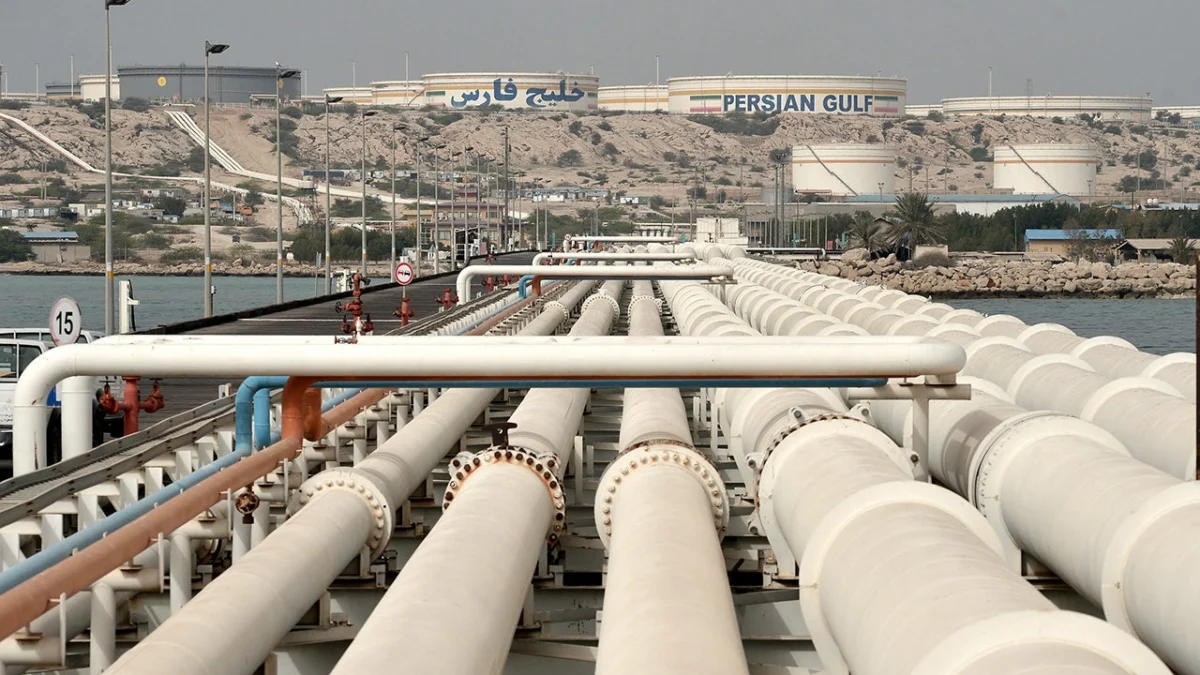
In response to the crisis, Saudi Aramco has increased its utilization of the East-West pipeline, a critical infrastructure that traverses the Arabian Peninsula from east to west. This pipeline bypasses the Strait of Hormuz, thereby mitigating the need for oil tankers to navigate the contested waterway. Before the conflict, approximately 20% of the world's oil supply transited through the Strait of Hormuz.
"Our East-West pipeline, which reached its maximum capacity of 7 million barrels of oil per day, has proven itself to be a critical supply artery, helping to mitigate the impact of a global energy shock and providing relief to customers affected by shipping constraints in the Strait of Hormuz," Nasser stated during the earnings call.
Of the 7 million barrels per day capacity of the East-West pipeline, about 2 million barrels are directed to oil refineries situated on Saudi Arabia's western coast. The remaining 5 million barrels per day are designated for export markets. Saudi Aramco is reportedly exploring avenues to enhance its export capacity at Yanbu, the terminal on the Red Sea that serves as the pipeline's endpoint.
Saudi Arabia made the decision to cut its oil output by 2 million barrels per day in the wake of Iran's threats to shipping traffic in the Strait of Hormuz. This action effectively contributed to the closure of the vital maritime choke point, impacting global supply chains and contributing to market volatility.
The CEO's remarks come as oil prices have seen a surge, with national average gas prices surpassing $4.50 per gallon, driven in part by the escalating tensions involving Iran and their impact on oil supply routes. The situation underscores the delicate balance of global energy markets and the significant influence of geopolitical events on commodity prices and economic stability.
The disruptions in the Strait of Hormuz not only affect oil prices but also pose broader risks to international trade and economic activity. The waterway is a crucial transit point for a significant portion of global energy shipments, and its closure or restricted access can have far-reaching consequences for economies worldwide, potentially leading to inflationary pressures and impacting industrial production.
Nasser's assessment suggests that even with the implementation of alternative routes and the release of strategic reserves, the market faces a substantial deficit that will require considerable time to address. The underlying issue of reduced production capacity and the need for sustained investment in the sector are key factors that will shape the market's recovery trajectory.
The Saudi Aramco chief's comments provide a somber outlook for energy consumers and businesses, indicating that the elevated prices and supply uncertainties may persist for an extended period. The situation highlights the vulnerability of global energy infrastructure to geopolitical instability and the complex challenges involved in restoring market equilibrium.


