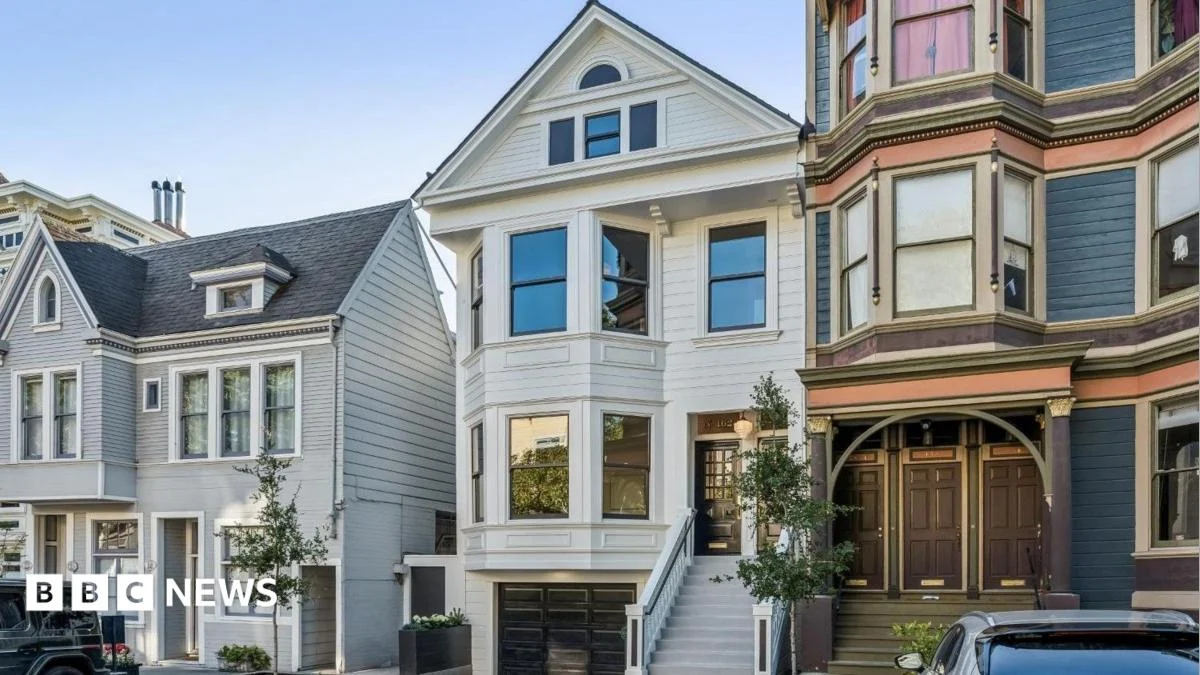
San Francisco’s housing market roared higher in 2026, driven by the wealth generated within the artificial-intelligence ecosystem and the liquidity of stock options held by workers at leading AI firms. The Duboce Triangle, a sought-after residential enclave, epitomizes the trend: a renovated three-bedroom Edwardian-era detached house drew intense interest, and an opulently redesigned apartment on the market commanded nearly $3 million. In a notable departure from traditional real estate norms, the seller reportedly considered accepting some form of equity in AI companies OpenAI or Anthropic in partial settlement of the price. A prospective OpenAI employee who viewed the flat with a partner noted the possibility of stock transfers as part of the sale, illustrating how capital-rich tech workers influence local property dynamics.
Analysts and agents say AI-driven liquidity has reshaped San Francisco’s market, with wages, signing bonuses, and stock options creating a broader wave of purchasing power. Redfin’s chief economist, Daryl Fairweather, remarked that March 2026 marked a turning point as the city reclaimed its status as the most expensive US market for homebuyers, surpassing San Jose. Data from Redfin showed year-over-year price accelerations of 19% in March, 14.5% in April, and 14.1% in May. The city’s May 2026 median sale price reached a record of about $1.76 million, far above the national median, which rose only modestly. These dynamics reflect a widening gap between San Francisco and the rest of the country, where overall price growth remained subdued.
The broader narrative attributes much of the rise to AI-related wealth inflows, with wealth concentrated in the Bay Area’s luxury corridors that include Duboce Triangle. Since OpenAI launched ChatGPT in late 2022, price gains in the area have outpaced markets without similar AI wealth. The market’s resilience is evident in the pandemic-era downturn that was reversed as salaries in AI surged. Prospects for a continued surge are linked to anticipated stock market flotations by OpenAI and Anthropic later in 2026 or early 2027, which could expand the pool of multi-millionaire employees and sustain demand for housing.
But the landscape is nuanced. While some properties have benefited from rapid price appreciation and fast-moving sales, experts caution that higher salaries may not translate into universal affordability across the city. UC Berkeley economist Enrico Moretti notes that population and employment levels are still below pre-pandemic peaks, implying that the market’s drivers may shift if AI demand broadens beyond highly specialized roles. He also notes that much of the wealth from forthcoming flotations may accrue to investors, many of whom are globally dispersed, rather than to employees, which could influence the distribution of capital gains.
Local agents describe bidding as increasingly competitive, with multiple offers and frequent all-cash transactions at the upper end of the market. Rachel Swann, the listing agent for the Duboce Triangle property, described today’s bidding environment as intense, while veteran broker Matthew Goulden said the market feels “crazy.” The supply side remains constrained: San Francisco is a compact market with a high renter population and limited new construction, factors that have long sustained price momentum in tandem with demand from AI-related employment.
As the AI boom expands, the city’s housing story also intertwines with social questions about who benefits from the new wealth. In some cases, families already rooted in the city have leveraged stock gains to afford move-in-ready homes, while others have relocated to the broader Bay Area in search of space. One family with a move to a more suburban area described a trade-off between the allure of city living and the realities of affordability, underscoring the uneven impact of AI-driven wealth on long-standing residents.
The Duboce Triangle property itself provides a microcosm of the trend: a sale price reported at about $3.2 million, with discussion around whether any AI stock components were part of the deal remains confidential. As OpenAI and Anthropic pursue flotations in the near term, market participants will watch to see how the shift from private equity to public markets affects the city’s housing dynamics, including bidding competition, cash-buying patterns, and the mix of buyers who can access high-end property in a market already characterized by supply constraints and strong demand from technology workers.
In sum, San Francisco’s housing market in 2026 has been distinctly shaped by AI sector earnings and equity wealth, with data suggesting the trend could persist if flotations materialize and AI employment remains anchored by high salaries. The market’s resilience is evident in how quickly properties are moving and the depth of buyers’ willingness to compete for homes in desirable neighborhoods, even as broader questions about affordability, mobility, and local growth play out in households across the city.


