In the United States, hospitals are increasingly adopting robot rentals as a way to integrate automation without full upfront purchases. One widely cited example is Moxi, a wheeled hospital helper made by Diligent Robotics, which shuttles medical supplies and can greet staff with humanlike interactions. Todd Brugger, chief operating officer of Diligent Robotics, notes that the company operates around 100 of these wheeled robots in medical facilities. The arrangement with hospitals is not a traditional purchase; instead, buyers often opt for robotics‑as‑a‑service, a model that bundles the robot, ongoing service, maintenance, and software upgrades into a single package. A remote engineer can step in if needed, providing support without the hospital bearing the full cost up front. This approach is described as reducing the initial outlay while allowing for rapid software and capability upgrades as the technology evolves.
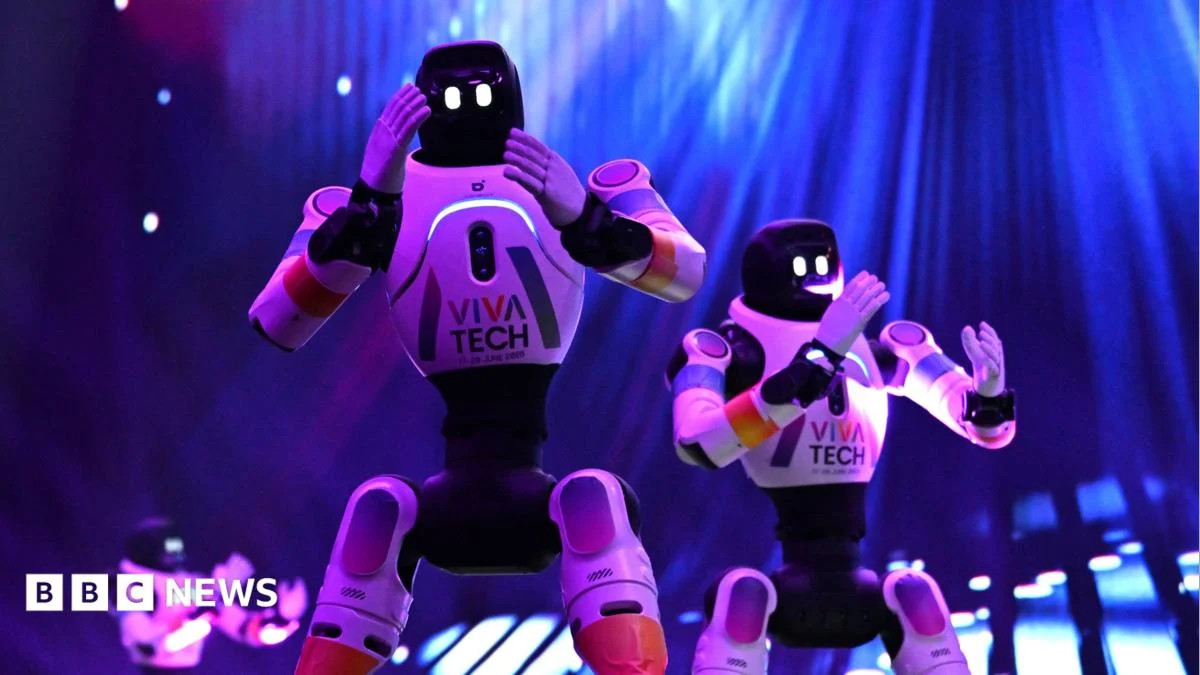
Rents and subscriptions cover a range of use cases beyond healthcare. Some robots are being rented for short periods, while others are contracted for longer terms. In addition to hospital deliveries, service robots are being tested for hospitality and agriculture, including autonomous weeders. The market is seeing a shift toward early humanoid models designed to operate in human environments, though these models are currently deployed for clearly defined tasks and often serve entertainment or demonstration roles as part of rental packages.
In the field of consumer robotics, California‑based 1X plans to begin shipping its home helper robot NEO later this year. Early access customers can pay a one‑time amount for ownership or opt for a monthly subscription. Company executives emphasize that subscriptions can lower the upfront cost and broaden access to advanced robotics, while renewals and software updates help keep the devices current. Analysts point out that rentals can provide quicker access to improved hardware, with the understanding that the latest models may arrive with each new iteration. This flexibility is presented as a practical advantage for customers who want to hedge against rapid obsolescence.
From a business model perspective, Formic, a Chicago‑based provider, operates a fleet of more than 250 industrial robots on a service basis. The company highlights that all elements of the service are included in a flat monthly payment, with rapid replacement for components such as malfunctioning arms. Formic has also begun testing humanoid variants for industrial use, exploring how rental arrangements might broaden access for smaller firms that lack the funds for outright robot purchases.
The rental market is evolving with diverse payment structures. Some customers prefer flat rates, while others seek payment schemes tied to the human labor saved by the robot. Analysts caution that humanoid technology remains in an early stage and that ongoing testing and real‑world use are essential to understanding performance and reliability. In China, several firms have experimented with rental programs, including hotels and cleaning services, and are expanding rentals internationally through partnerships. Shanghai’s Agibot has reported that its humanoids are available for rent in 17 countries, including the United Kingdom. Still, observers expect purchases to remain a significant channel in China, supported by policy incentives and subsidies.
Across regions, the trend toward renting robots continues to unfold as suppliers emphasize the benefits of fast access, support services, and upgradable software. The market dynamics suggest that rental may suit organizations looking to experiment with automation, upgrade frequently, or manage capital expenditures while scaling automation over time.


