Families in rural parts of the West Midlands have welcomed a Competition and Markets Authority recommendation to bring protections for heating oil customers in line with those connected to the gas grid. In a CMA report published on Wednesday, the watchdog urged governments to bolster the rights of about 1.5 million households that rely on heating oil, noting that price volatility and limited dispute resolution access have left many vulnerable. The CMA said price pressures surged after the start of the United States–Israel war with Iran in February, with average retail prices peaking around 92% above normal.
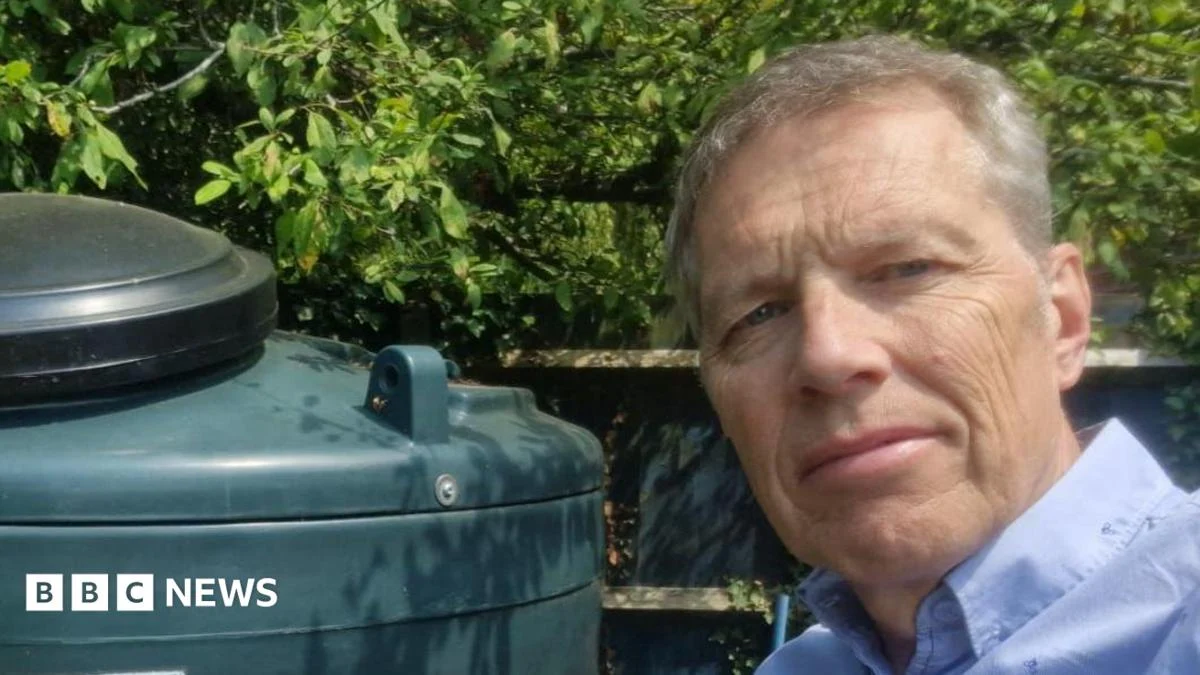
Jemma McCarron, a Worcestershire resident, said that when prices rise “because of things totally beyond your control,” households can feel powerless. In Claverdon, Warwickshire, Nick Weaver described how his remote location has made heating oil a crucial but fragile supply. He recounted an episode in March when his supplier warned he would deliver only half of a prepaid 1,000‑litre order. The firm later refunded half of the payment and proposed to supply the remaining 500 litres two days later for an additional £1,000. “I was incredibly shocked and felt cheated,” Weaver said, describing what he saw as a breach of contract. He later wrote to the company’s directors and reached a settlement to obtain the missing fuel at the original price.
Weaver has since shared his experience to help others prepare for potential shortages or price shocks. The CMA’s investigation found that while much of the price rise reflected higher wholesale costs, there were “clear gaps” in protections for heating oil customers, including limited access to dispute resolution. The CMA proposed reforms to standardize how prices are quoted, how cancellations are handled, and how support is provided to vulnerable consumers. It also recommended refunds for 1,700 people whose orders were cancelled after the conflict began and noted that several suppliers have already agreed to compensate affected customers; however, the CMA said it could pursue legal action against those who have not complied.
Chancellor Rachel Reeves commented that while the market appears competitive, the lack of protections for these households is a concern and the government will consider what can be done. In Hanley Swan, McCarron noted that she had filled a 2,000‑litre tank for £1,200 days before the conflict began, a purchase she considers fortunate. With energy costs under pressure, she emphasized a desire to move toward renewable sources, pointing to limited government support for alternatives such as solar panels despite efforts to cut fuel use during heatwaves.


