In Great Yarmouth, Shannon, a 27-year-old mum of one, describes life under mounting money pressures as isolating and exhausting. “I’d rather not leave the house so I don’t get into more debt,” she says, reflecting a sentiment shared by many in a seaside town where debt struggles are pronounced. The BBC reports that Great Yarmouth has the third highest rate of people needing debt support in England and Wales, underscoring the regional strain. In March 2026, 29.1% of people aged 16 to 65 in Great Yarmouth were on Universal Credit, compared with 18.4% for the wider county and 19.2% for England as a whole.
Shannon said she began accruing debt roughly a decade ago after borrowing to purchase boots for work as a security guard. Her daily life is shaped by ongoing financial stress: “I don’t want to do anything, I don’t want to eat, I’d rather not leave the house because I won’t spend money and I won’t get in more debt.” Yet she remains hopeful that a path out is possible, even as the cycle of debt persists.
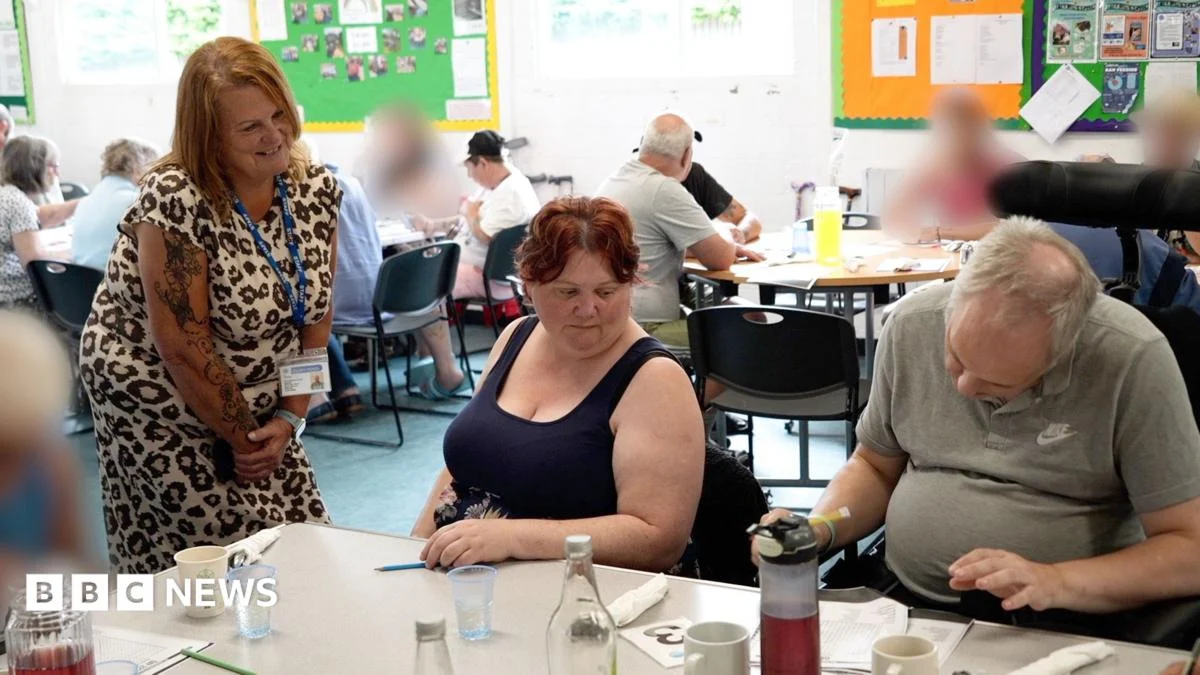
Support services are available in the community. At St Mary Magdalene Church in nearby Gorleston-on-Sea, weekly debt advice and free lunches are provided by volunteers working with Dial, a charity that helps with money, benefits, and debt. Debtors describe a spectrum of needs—from food parcels and clothing for children to help navigating benefits—yet emphasize that even small steps, such as a helpful conversation, can set someone on a path forward.
Cathy Grey, 46, who once relied on the church’s food bank herself, now helps others facing debt. She recalls the difficulty of deciding what to pay and what to forego, including essential bills and food. “I would happily go out to work tomorrow but, unfortunately, I can’t leave my husband, he’s so ill,” she says. Grey believes outreach and guidance can restore a sense of calm and direction.
Another visitor, Nic Lambert, talks about the constant pressure of expenses like school trips, daily meals, clothing, and transportation, which can stretch Universal Credit and wages to their limits. The hardship extends to those caring for children with medical needs, such as a young daughter requiring specialized cardiac care in London, with travel costs weighing on the budget.
Anna Price, community lead at St Mary Magdalene, notes that isolation and a lack of budgeting skills contribute to crises. The estate around the church has high unemployment and many people who are economically inactive, with mental health issues and disabilities common. Price stresses the emotional toll of cycles in families dependent on benefits and the challenges of securing steady employment.
Despite the uphill battle, there is a sense of progress. Tennant, a debt adviser, describes helping people “crack a path” through debt with practical guidance and supportive conversations. She emphasizes that every case can be addressed step by step with the right resources.
The Department for Work and Pensions highlighted a program aimed at helping Norfolk residents. A spokesperson said the Connect to Work scheme is expected to support 4,000 people in Norfolk by 2029 as part of a broader effort to shift from a welfare framework toward promoting work while connecting individuals to debt advice and affordable repayment options.
The story of Great Yarmouth’s debt pressures reflects broader challenges facing communities with rising living costs and constrained earnings. For Shannon and many others, the path forward hinges on accessible support networks, better benefit design, and pathways to employment that can reduce the recurrences of debt while maintaining family stability.


