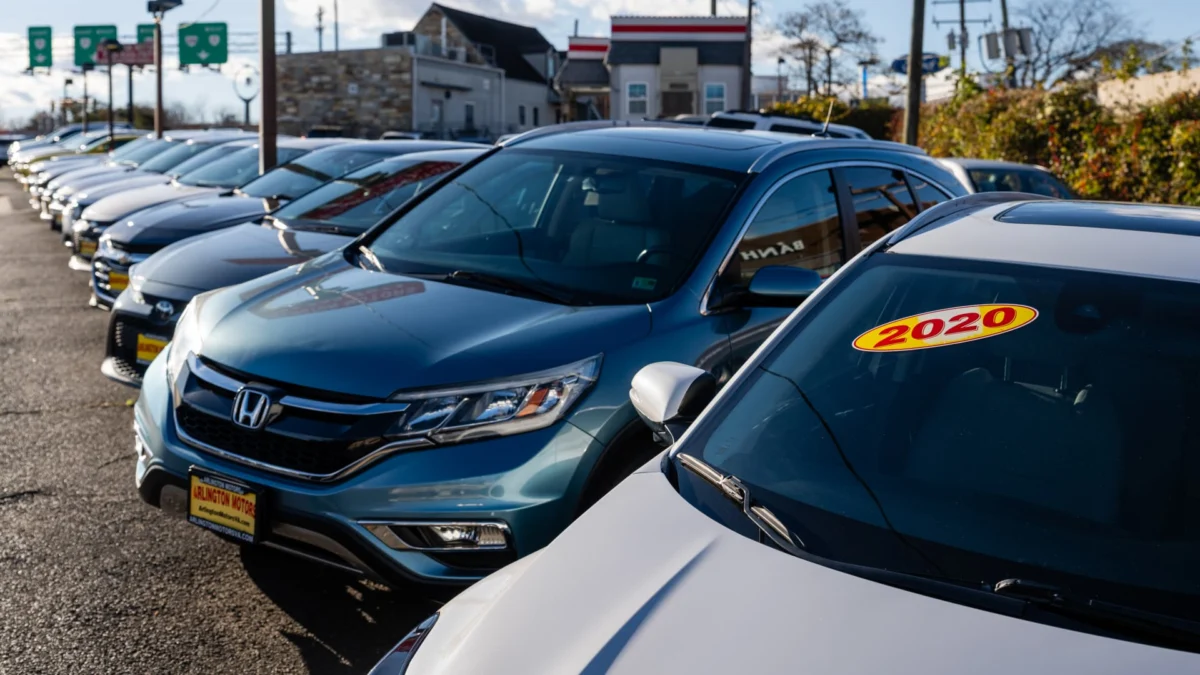
The U.S. auto market continues to wrestle with pandemic-era disruptions, with the drag from reduced production keeping both new and used car prices elevated even as supply remains tight. Analysts say lower-than-normal new-vehicle volumes could be a new normal, constraining supply for years to come and sustaining price pressures across the market.
About 8 million vehicles that would have been made for U.S. buyers during the pandemic years never rolled off assembly lines, mainly due to production shutdowns and ongoing supply constraints, said Jeremy Robb, chief economist for Cox Automotive. He noted automakers responded by prioritizing higher-margin, high-end models, a strategy that has persisted as production recovers slowly. These dynamics are helping push up prices for all buyers, including those shopping for decade-old used cars.
“I think it's kind of the new normal outside of a big economic impact,” Robb said, adding that supply improvements are unlikely over the next three to four years. Data from BEA shows about 16.2 million cars were sold in 2025, up from a pandemic-era low of 13.8 million in 2022, while Cox Automotive projects roughly 15.8 million units for 2026 and JD Power pegs the count at 16.3 million. By comparison, the record 17.55 million vehicles sold in 2016 remains well above current forecasts, underscoring how far volumes have slipped from peak years.
The auto market is cyclical, but the pandemic accelerated a long-standing shift in supply chains and demand. JD Power Senior Vice President Tyson Jominy said the industry has sold roughly 16 million fewer vehicles than it would have if sales had remained at the 2016 level, translating to about a year’s worth of volume lost—much of that decline occurring since the pandemic began.
Fewer fresh models entering showrooms has also constrained the used-car market. “A new vehicle sale is the marble at the top of the mousetrap game,” Jominy said, illustrating how disruptions at the top of the supply chain ripple through the entire ecosystem. Automakers and dealers have trimmed back on leasing and incentives as a result of tight supply. Robb noted that leasing is “really expensive for an OEM,” given that leases tend to generate lower upfront payments and that returns must be resold into the used market; meanwhile, higher-margin, less-leased vehicles have dominated lineups.
The shift toward more profitable configurations—such as trim levels, trucks and SUVs—has helped sustain price levels. Robb pointed out that off-lease vehicles remain a large pipeline feeding the used market, a factor that has become more pronounced as pandemic-era financing loosened and then tightened. Before the pandemic, leasing represented about 30% of new-vehicle volume; in 2022 it fell to around 18%, a trend that has gradually recovered but remains below pre-pandemic norms.
Incentives, which had averaged roughly 9.5% of vehicle prices before the pandemic, plummeted during the crisis. They have since rebounded to about 6.5%–7% in 2026, according to Cox Automotive’s Robb, but remain uneven across the industry. All of these elements contribute to still-rising used-car prices and the overall affordability squeeze facing households.
On the consumer side, higher gas prices, broader inflation and rising expenses are weighing on purchasing power. JD Power’s Tyson Jominy commented that price growth has outpaced income gains, noting that the average new-vehicle household income sits above $150,000 per year, versus roughly $80,000 for the broader economy.
Cox Automotive data also show demand for even 9- and 10-year-old used vehicles remains strong by historical standards, indicating that more buyers are trading down as prices rise and affordability tightens. Robb cautioned that the market does not typically experience this degree of pricing pressure in the lower end, signaling continued strain for buyers seeking cheaper options.
In summary, while the industry has begun to recover from the steep pandemic-induced shocks, fundamental supply constraints and a strategic pivot toward higher-margin models suggest elevated price levels for both new and used cars are likely to persist for several years.


