Global oil prices experienced a significant surge, with the benchmark Brent crude briefly touching $120 a barrel, its highest point since 2022. This sharp increase followed reports that the United States is preparing for a prolonged blockade of Iran's ports, a move aimed at intensifying economic pressure on the nation. The development appears to have been interpreted by oil traders as a signal that the disruption to shipping through the vital Strait of Hormuz will continue for an extended period.
Adding to market speculation, energy executives, including Chevron CEO Mike Wirth, met with US President Donald Trump at the White House. While the White House described the meeting as part of regular discussions with industry leaders on topics such as domestic energy production, progress in Venezuela, oil futures, natural gas, and shipping, the timing has drawn attention. The discussions occurred shortly after separate reports from The Wall Street Journal indicated that President Trump had directed aides to prepare for an "extended" blockade of Iran's ports.
Iran has previously stated its intention to continue disrupting traffic through the Strait of Hormuz, a critical chokepoint that typically handles about one-fifth of the world's oil and liquefied natural gas supply. This stance is in retaliation for US and Israeli strikes that commenced on February 28. Earlier in the month, Tehran issued a warning that any vessel approaching the strait would be targeted. In response, the US announced that its forces would intercept or turn back vessels traveling to or from Iranian ports.
Despite these pronouncements, analysis by BBC Verify has indicated that at least four vessels tracked from Iranian ports have seemingly crossed the US blockade line. Nevertheless, the market's reaction suggests a prevailing concern over the potential for sustained supply disruptions.
The price of oil has been volatile since the conflict began, with the Strait of Hormuz effectively closed for several weeks. While the price of Brent crude had dropped to $90 a barrel on April 17, following the announcement of a ceasefire between Israel and Lebanon and a pause in US attacks on Iran on April 8, it has been on a steady upward trend over the past 12 days as the US maintained its blockade.
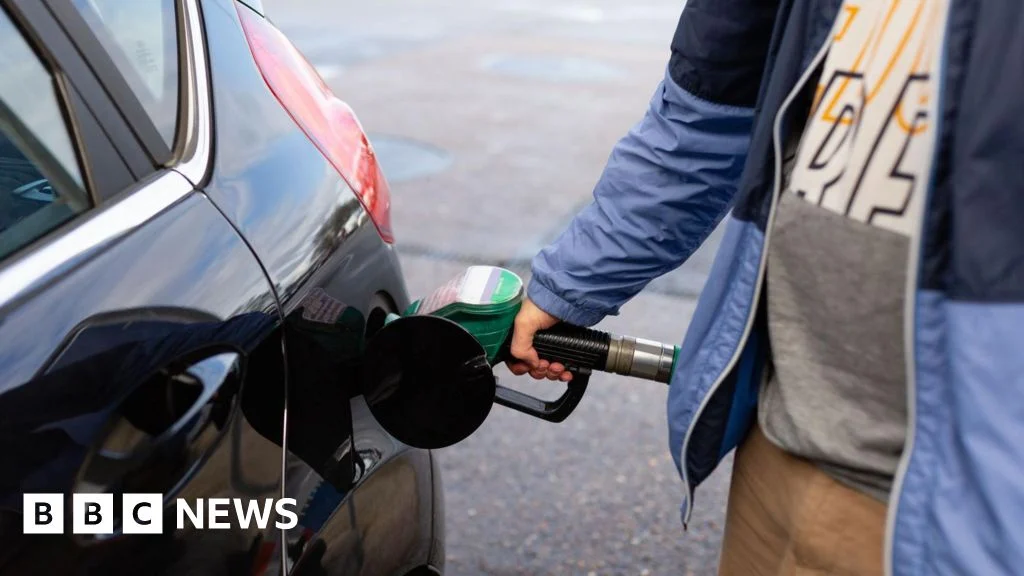
Lindsay James, an investment strategist at Quilter, commented on the broader economic implications. She noted that while the impact on the UK has so far been largely confined to higher petrol and diesel prices, "every day that passes without a resumption of supply sees the risk of physical shortages and steeper price rises on a range of goods increasing." This suggests that the repercussions of the conflict extend beyond fuel costs.
Economically, Iran is grappling with a deepening crisis. The country is experiencing rapidly rising prices, a significant fall in the value of its currency, the rial, which has reached a record low, and the prospect of its oil exports grinding to a halt. According to the Statistical Center of Iran, the annual inflation rate has surged to 53.7%. Furthermore, the Iranian government reported last week that approximately two million Iranians have lost their jobs, either directly or indirectly, as a consequence of the war.
President Trump, on Wednesday, urged Iran to "get smart soon" and agree to a deal, citing a deadlock in efforts to end the conflict. He posted on Truth Social that the country "couldn't get its act together." The Wall Street Journal, citing US officials, reported that the president had instructed aides to prepare for an "extended" blockade of Iran's ports as a strategy to compel Tehran to negotiate. These officials suggested that Trump favored continuing economic pressure through the blockade, viewing other options, such as resuming bombing or withdrawing from the conflict, as carrying greater risks.
Iranian officials, however, asserted on Tuesday that the country could endure the blockade by utilizing alternative trade routes. This claim suggests a potential resilience in Iran's economic strategy despite external pressures.
The global economic outlook for energy prices remains uncertain. The World Bank forecast on Tuesday that energy prices could surge by 24% in 2026, reaching their highest levels since Russia's full-scale invasion of Ukraine four years ago, if the most acute disruptions stemming from the Iran war conclude in May. This projection highlights the potential for sustained price increases if the conflict's impact on supply continues.
In financial markets, European stocks experienced a decline on Wednesday. Investors were processing a wave of corporate earnings reports and awaiting the US Federal Reserve's decision on interest rates. The FTSE 100 index in the UK fell by 1.2%, France's Cac index dropped by 0.39%, and Germany's Dax index was down 0.27%. In the United States, the S&P 500 closed flat. Asian stock markets, however, mostly rose on Wednesday, continuing a recovery trend after being significantly affected by the initial shock of the conflict.
Kathleen Brooks, research director at XTB, commented on the market's adjustment, stating, "Financial markets will now need to price in the prospect of a prolonged blockade." This indicates that market participants are factoring in the likelihood of extended supply chain disruptions and their potential impact on global energy prices and broader economic stability.


