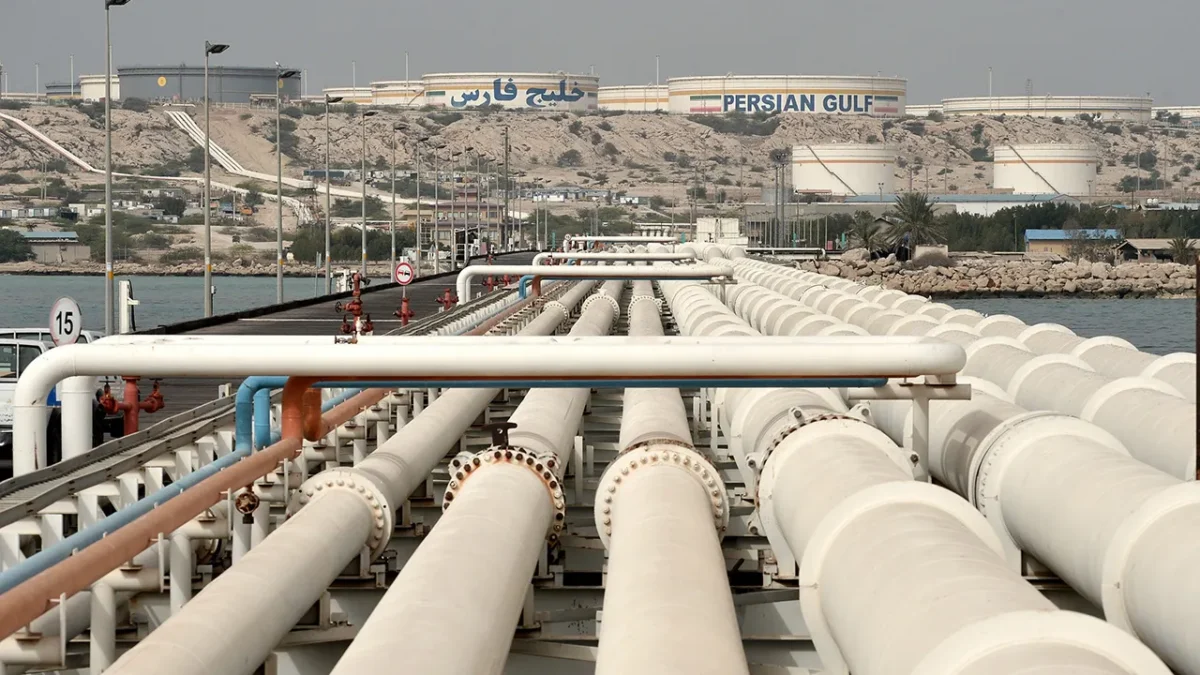
Oil prices fell on Monday to the lowest levels seen since early March following the announcement of a preliminary U. S. -Iran peace deal aimed at ending the war that has strained the energy market.
West Texas Intermediate (WTI) crude traded just above $80 a barrel, down more than 5% from the prior session. Brent crude, the global benchmark, dropped more than 3%, slipping below $80 a barrel for the first time since early March. The move comes as traders reassessed supply dynamics after a memorandum of understanding signaling an end to the war and the reopening of the Strait of Hormuz, a critical oil chokepoint.
President Donald Trump said a deal with Iran had been signed and would take effect this week, while noting the Strait “is already partially opened” and signaling an official signing ceremony planned for Friday in Geneva. Analysts highlighted the potential for the peace deal to ease ongoing supply concerns and reduce upward pressure on prices, especially given wartime disruption that had elevated costs for consumers and businesses. The Strait of Hormuz, a vital transit route for a large share of the world’s oil shipments, has seen tanker traffic reduced during the conflict, contributing to higher prices in recent months.
Trump said the memorandum would be publicly released “pretty soon,” adding that the agreement is “really a behavioral thing” for Iran, with its effectiveness tied to its implementation. The price declines also followed discussions that the deal could influence expectations for U. S.
monetary policy, with some observers not expecting immediate cuts in interest rates until there is more clarity on the macro outlook. In the broader market, traders noted that oil prices remain above pre-war levels, as prices in the month before the conflict ranged between $60 and $70 a barrel, while Brent traded lower but still above earlier benchmarks. As the market digests the potential stability emanating from the accord, energy equities, and airline shares, among others, reacted positively to the prospect of easing supply disruptions and potential price stabilization.
Reuters and other outlets reported on the evolving situation, with official comments from various participants underscoring the delicate balance between geopolitical risks and energy supply security. The developments come as investors weigh the path forward for inflation and interest rates, with attention turning to political signals from Washington and the implications for global oil demand and freight flows.


