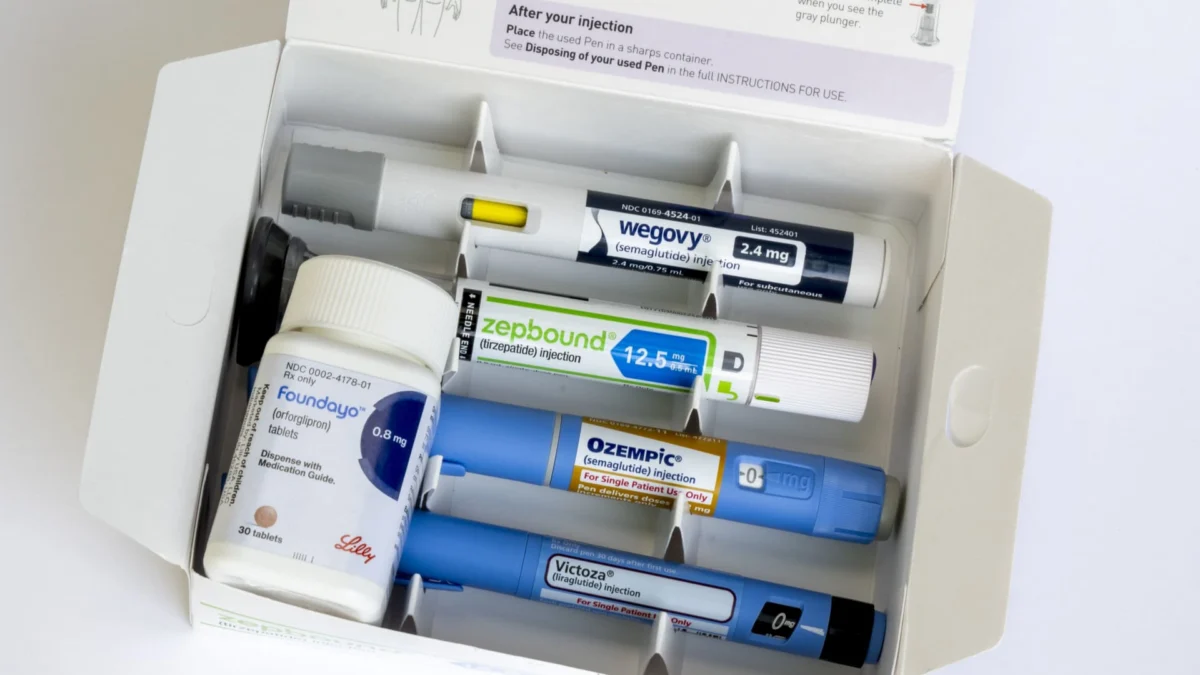
Novo Nordisk filed a lawsuit against Eli Lilly in the U.S. District Court for the District of New Jersey, alleging that Lilly’s nationwide GLP-1 advertising campaigns mislead consumers about the relative efficacy of their obesity and diabetes drugs. Novo argues the campaigns reference “outdated” clinical trials, comparing Lilly’s highest-dose medicines to lower-dose Novo products, and omitting new evidence about Novo’s recently approved high-dose Wegovy, which Market observers note brings weight loss more comparable to Lilly’s products. “That leaves them with the inevitable conclusion that Lilly's medicines are superior to Novo's, and that's not accurate,” Novo’s general counsel John Kuckelman said in an interview.
The company is seeking to permanently stop Lilly from running the ads and to require corrective advertising; it is also pursuing financial damages and, if the ads are not removed voluntarily, a preliminary injunction to block them during the suit. Lilly did not respond to requests for comment.
The case unfolds as Novo seeks to reclaim GLP-1 market share amid competition with Lilly’s Zepbound and Mounjaro. Novo’s strategy includes its own obesity pill, price adjustments, and the high-dose Wegovy, which Novo says now yields weight losses of 47 pounds in the most recent high-dose trials. Lilly’s ads, the suit alleges, portray greater efficacy even as Novo asserts that a (2.4-milligram) Wegovy dose once used in head-to-head comparisons showed inferior results to Lilly’s offerings. A recent Lilly campaign is described as having drawn hundreds of millions of impressions, underscoring the scale of rivalry in the space.
Novo contends that Lilly’s use of a side-by-side TV ad comparing Zepbound and Wegovy creates a misleading impression of superiority and cites that the high-dose Wegovy data has evolved since earlier trials. The suit claims Lilly acknowledges a high-dose Wegovy exists but labels the reference as a footnote that is “ambiguous, confusing, virtually illegible, and wholly inadequate” for communicating its greater effectiveness. No head-to-head trials currently compare the highest Wegovy dose with Zepbound, Novo argues, leaving Lilly with no basis for the comparative claims.
The allegations also touch on broader concerns about ads shaping consumer understanding of GLP-1 therapies, with Novo saying healthcare professionals have access to more complete scientific data. The filing reiterates that Lilly’s advertising “deprives consumers of the truthful, current, and complete information they need to make informed decisions about their available treatment options.” The suit notes that the Zepbound TV commercial has generated more than 700 million impressions since late April, illustrating the ads’ reach and potential impact in the competitive GLP-1 landscape.


