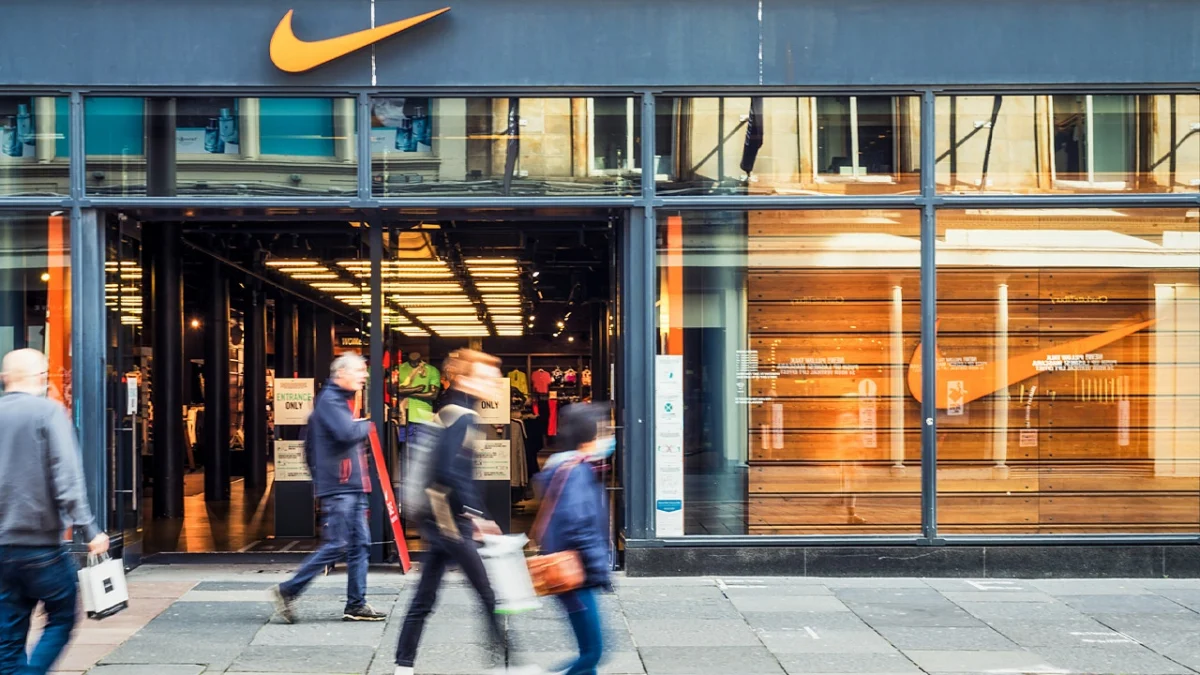
Nike is facing a proposed class action lawsuit that accuses the sportswear giant of failing to refund consumers for tariff-related costs that were previously passed on through higher prices. The lawsuit, filed in federal court in Portland, Oregon, alleges that Nike should not be permitted to retain "significant" refunds it may receive following a U.S. Supreme Court ruling.
In February, the Supreme Court determined that the president did not have the authority under the International Emergency Economic Powers Act (IEEPA) to impose certain tariffs. Nike has previously stated that it paid approximately $1 billion in tariffs on imported goods as a consequence of these actions. The plaintiffs in the current lawsuit contend that Nike increased prices on some footwear by between $5 and $10, and on some apparel by $2 to $10, to cover these tariff expenses.
The legal filing asserts that Nike has made no "legally binding commitment" to return these alleged overcharges to the consumers who originally paid them. The complaint further argues that, without judicial intervention, Nike stands to recover the same tariff payments twice: once by collecting higher prices from consumers and again by receiving refunds from the federal government.
This legal action against Nike is part of a broader trend, with several other major companies, including Costco, also facing similar allegations of failing to pass on tariff-related refunds to their customers. More than 2,000 companies have initiated lawsuits in the U.S. Court of International Trade, seeking to recover tariffs they paid on imported goods.
During a March conference call, Nike indicated that the fiscal quarter ending in August 2026 is expected to be the last period where tariffs will materially impact its gross margins. This timeline suggests that the company anticipates the ongoing effects of tariffs on its profitability for a considerable duration.
The lawsuit arrives shortly after Nike announced plans to implement significant layoffs, affecting approximately 1,400 employees from its Global Operations team. A memo distributed to staff by Chief Operating Officer Venkatesh Alagirisamy detailed that these workforce reductions would primarily target the company's technology divisions across North America, Asia, and Europe. These cuts represent just under 2% of Nike's total global workforce.
The plaintiffs' central claim is that Nike unjustly enriched itself by collecting tariff-related surcharges from consumers while simultaneously pursuing refunds from the government. They argue that the company's pricing strategies during the period these tariffs were in effect were designed to offset the costs, and that the subsequent refunds should be returned to the consumers who bore the initial burden.
Nike has declined to comment to FOX Business. The legal proceedings are expected to unfold in the federal court system, where the plaintiffs will seek to prove their claims regarding the alleged retention of tariff refunds and the failure to pass on savings to consumers.
This development underscores the potential financial risks companies face when navigating complex tariff regulations and consumer expectations. The legal battle could have implications for Nike's financial reporting and its relationship with its customer base, depending on the court's final decision.
The lawsuit's success hinges on demonstrating that Nike's pricing actions were directly tied to the tariffs in question and that the company had a clear obligation, either legal or implied, to refund any subsequent savings derived from tariff reversals. The plaintiffs aim to establish a pattern of behavior that prioritized corporate profit over consumer relief.
Further legal filings and potential court proceedings will determine whether Nike is compelled to return the disputed funds to consumers. The case is being closely watched by consumer advocacy groups and other businesses operating in the global marketplace. FOX Business' Eric Revell and Reuters contributed to this report.


