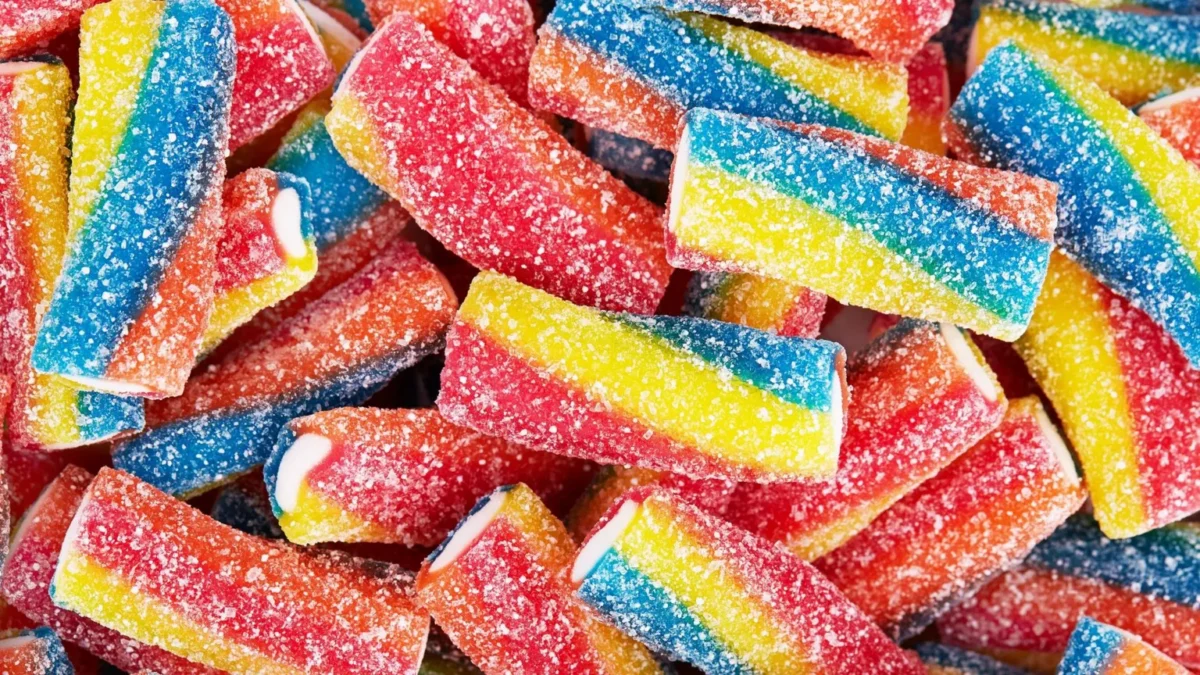
New candy stores are popping up across New York City as retailers—especially in the confectionery niche—ride a mix of affordability, nostalgia, and novelty to attract shoppers navigating a tougher economy. In Manhattan’s Lower East Side, Economy Candy—one of the city’s oldest sweet shops—continues to draw crowds, buoyed by a belief that candy remains a low-cost indulgence even when budgets are stretched. The shop’s third‑generation owner, Mitchell Cohen, notes that although prices have risen, many customers still seek small treats as a quick morale boost.
"The dollar isn’t going as far these days," he says, adding, "Inflation, uncertainty, all that, but there’s always candy." The broader retail backdrop is uncertain: official data show US retail sales rising, with April receipts up 4. 9% from a year earlier, while consumer sentiment has slipped to a post‑pandemic trough in May, according to a widely watched survey.
Yet in the candy segment, price points remain accessible for a broad audience, and store owners point to the enduring appeal of small luxuries during economic stress. Kate Bolger, who works with a candy retailer network, echoes this view: when money is tight, “everyone can partake” in a sweet treat, sustaining demand for stores that stock affordable confections. Next month, Bolger plans to open The Village Confectionery in Sleepy Hollow, a Hudson Valley town roughly 28 miles north of NYC, extending the reach of this growing niche into suburban markets.
The idea aligns with the so‑called lipstick effect, a term popularized in the early 2000s to describe how consumers gravitate toward affordable luxuries when bigger purchases are out of reach. The landscape for specialty candy in New York is also crowded with regional brands and new entrants. BonBon, a more upscale chain, now operates five shops across Manhattan and Brooklyn and recently opened a location in the Hamptons the previous summer.
The Swedish‑founded company, established in 2018 by three expatriates, imports its sweets and emphasizes a curated, intimate store design and minimal rent locations away from major corridors like Broadway. Co‑founder Leo Schaltz describes a focus on small units and cost discipline—"you don’t want to overpay for rent, and it’s easier to make a space feel cozy when it’s smaller"—along with quirky details in branding and staff uniforms. A Greenwich, Connecticut location is slated for this summer.
Candy King, another Swedish brand, opened its first U. S. shop in Manhattan last December, signaling continued international interest in U.
S. candy retail. In Brooklyn, Candor Candy’s founder Cat Cirino added pantry items to diversify revenue, including granola, beverages, and beef jerky, while keeping “candy” at the core of the business model.
The strategic appeal of candy stores rests in their long shelf life, ability to operate at room temperature, and the potential to offer self‑service pick‑your‑own assortments that reduce labor costs. Yet the supply chain has not been without friction. Cohen says that wholesale costs for confectionery ingredients have climbed, driven in part by tariffs on imports and higher freight costs tied to global tensions that have touched the U.
S. –Israel–Iran corridor. He notes a Hershey bar that cost about 62 cents pre‑pandemic now exceeds a dollar, reflecting the broader inflationary pressures on packaged foods that rely on overseas cocoa and other inputs.
Some suppliers have faced larger disruptions; one UK supplier stopped shipping after facing losses in customs. Despite these headwinds, Economy Candy reports rising sales, underscoring the resilience of affordable treats for some consumers even as bigger discretionary purchases shrink. In the current climate, small luxury items like candy can offer a sense of normalcy and enjoyment without imposing a heavy cash burden, a dynamic that appears to be sustaining a wave of new shop openings and expansions across the city and surrounding areas.
The sector’s trajectory also illustrates how consumer behavior adapts to inflation, with price-sensitive purchases and selective indulgences shaping the retail landscape in New York and beyond.


