Despite widespread concerns over increasing prices for goods and services, Americans are poised to celebrate Mother's Day with significant spending, potentially setting new records for holiday expenditures. This year's Mother's Day is anticipated to be the busiest for U.S. restaurants and a major event for florists and greeting card retailers, underscoring the enduring importance of the occasion.
According to a forecast by the National Retail Federation, total spending for Mother's Day is projected to reach a record $38 billion, marking an substantial 11% increase from the previous year. This surge in spending is driven by a strong consumer intent to purchase gifts, with flowers and cards topping the list for the majority of shoppers. Beyond these traditional items, consumers are also considering jewelry, clothing, and electronics as gift options.
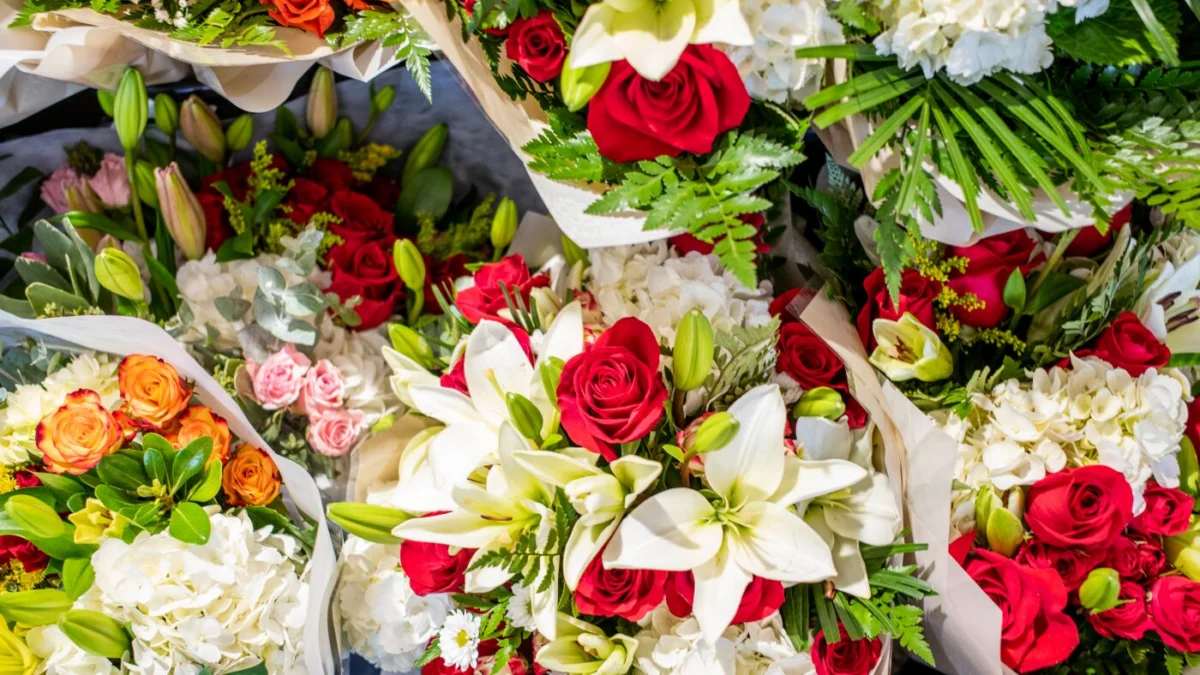
The Society of American Florists reports that plants are also gaining popularity as a Mother's Day gift. A survey conducted by the trade group indicates that two-thirds of florists anticipate their Mother's Day sales to either increase or remain stable this year. In response to economic pressures, many florists are adapting by offering more budget-friendly options, such as grab-and-go bouquets and smaller floral arrangements, to cater to a wider range of customer budgets.
Dining out remains a central part of Mother's Day celebrations, with restaurant reservation platforms experiencing a significant uptick in bookings. Resy reported that as of Wednesday, reservations were up nearly 30% compared to the same period last year. Similarly, OpenTable indicated that its reservations were trending upward by double digits, reflecting robust demand for restaurant services on this popular holiday.
The rising cost of dining out, which has increased at twice the rate of grocery prices, presents a challenge for some consumers. Federal data shows that the overall cost of eating out rose by 3.8% in March compared to the previous year. However, for special occasions like Mother's Day, consumers appear willing to absorb these higher costs.
Ed Powers, director of operations at Broken Yolk Cafe, a chain of 42 restaurants, noted the impact of fluctuating food prices. He expressed gratitude for the recent decrease in egg prices, a key ingredient in many of their dishes. Retail egg prices saw a nearly 45% decline in March from a year prior, attributed to the industry's recovery following an outbreak of bird flu. Wholesale prices have fallen even more sharply, providing some relief for restaurateurs.
However, the cost of other food items, particularly beef, remains a concern. Beef prices were up more than 12% in March compared to last year, as U.S. cattle herds are still at historically low levels. While chicken and pork prices have remained relatively stable, the increase in beef costs could influence menu choices for consumers seeking to manage their budgets. Michael Swanson, chief agricultural economist at Wells Fargo, suggests that while ham and bacon might be more common, consumers should be prepared for higher prices at high-end steakhouses.
Beyond food, the prices of other Mother's Day-related gifts have also seen increases. The cost of flowers and plants rose by 7.5%, and jewelry prices climbed by 9.9% in March compared to the previous year. These price hikes, coupled with rising gas prices, contribute to a broader inflationary environment that is impacting household budgets.
Rising gas prices, which have seen the national average increase by more than $1.50 per gallon since the conflict in Iran began, are a significant factor weighing on consumers' minds. In California, where Broken Yolk Cafe is based, gas prices are even higher. Powers observes that while these elevated prices may soften weekday business, holiday spending remains resilient, indicating a prioritization of significant occasions like Mother's Day.
Despite the economic headwinds, including higher prices for dining out, gifts, and fuel, the sentiment for celebrating Mother's Day appears strong. Consumers are demonstrating a willingness to spend, even if it means adjusting their choices or seeking out value-oriented options. The holiday continues to be a powerful driver of consumer spending, highlighting its cultural and economic significance.
Economist Michael Swanson offered a perspective on managing costs for the holiday, suggesting that preparing a buffet at home could be a more economical alternative to dining out. He noted that his own daughters plan to make an egg bake at home for their mother, with his son-in-law handling flower purchases. This approach, while less common than dining out, reflects a strategy some families may adopt to mitigate the rising expenses associated with traditional Mother's Day celebrations.
The overall trend suggests that while consumers are mindful of the increased costs across various sectors, the emotional importance of Mother's Day is driving continued robust spending. The retail and hospitality industries are anticipating a strong performance, bolstered by consumers' commitment to honoring mothers despite the prevailing economic conditions.


