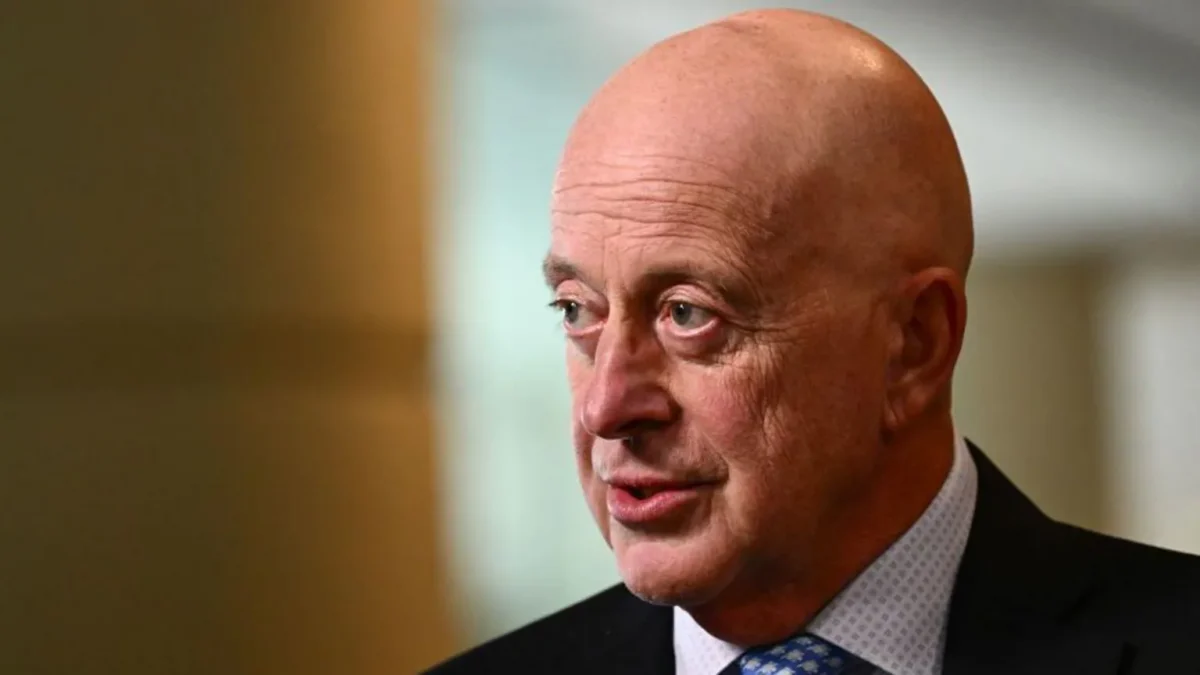
Cadbury chocolate-owner Mondelez defended its decision to continue operating in Russia after the 2022 invasion of Ukraine, saying staying was the right choice for its people and the company’s local operations. Chief executive Dirk Van de Put told the BBC that pulling out could have cost thousands of jobs and left Mondelez vulnerable to the Kremlin taking control of its Russian assets. He acknowledged the taxes paid in Russia contribute to the war and said he was not pleased by that reality, even as he argued the decision balanced people’s welfare with geopolitical risk.
Van de Put noted that many Western brands exited Russia following Moscow’s full-scale assault, while Mondelez kept some activity going but paused new investment and advertising spending in the country. He described a stance of neutrality in the conflict, insisting Mondelez’s posture was aimed at protecting its staff and preserving livelihoods rather than taking sides. The executive also argued that a Russian exit could have resulted in the confiscation of the company’s plants, a risk he framed as potentially devastating for the business and for workers dependent on its operations.
Since the invasion, Mondelez’s Russia business has generated annual sales reported in a range between $1 billion and $1.4 billion, underscoring the market’s significance to the group. The discussion also touched the broader tension within the corporate world, where a letter from MPs urged Mondelez to sever ties with Russia; Van de Put quoted in the BBC interview acknowledged ongoing concerns but reaffirmed the commitment to the Ukrainian operations and to rebuilding in Ukraine where the company maintains two Ukrainian plants, Trostyanets and Vyshhorod. He described incidents such as an office building hit on the day of the interview and noted the costs involved in rebuilding plants, stating the group doubled staff salaries at the outset of the conflict and did not lay off workers.
The interview and Mondelez’s stance highlight the difficult balance multinational firms strike between business interests, regional stability, and moral questions raised by the war in Ukraine. Mondelez’s product portfolio includes Cadbury chocolates, Philadelphia cream cheese, Ritz crackers, and Toblerone, with operations in both Russia and Ukraine shaping the company’s regional footprint despite the ongoing risks.


