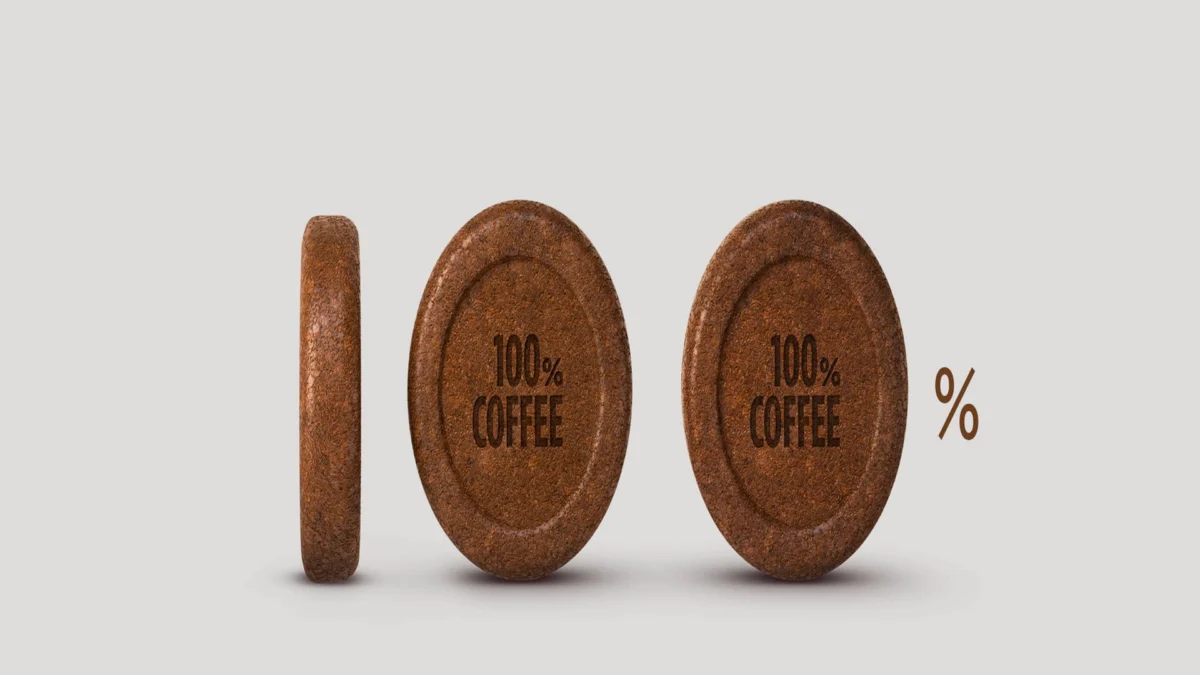
Lavazza is broadening its U.S. footprint with the introduction of Tablì, a brewing system that uses 100% coffee tablets and operates with Lavazza’s own Tablì machine. The U.S. push underscores Lavazza’s view that the market there is increasingly important to its growth strategy. CEO Antonio Baravalle told CNBC that sustainability remains a key consideration for many coffee drinkers, a factor Lavazza is weaving into its U.S. expansion.
Tablì tablets are made from compressed ground coffee with no gelatin, coating or binders. Each tablet is labeled “100% coffee” and the lineup at launch includes five varieties: espresso, double espresso, decaf espresso, super crema and lungo. The tablets are designed to be compact enough to perform reliably in Lavazza’s Tablì machine and are sold for use only with Lavazza’s system.
The Tablì project traces back to Lavazza’s 2020 acquisition of the Italian startup Caffemotive and represents a five-year development period that included more than 15 patents and the creation of a new production facility in Gattinara, Italy. Lavazza notes that the system’s design aims to preserve tablet integrity during handling and operation in a home espresso machine.
Lavazza’s U.S. launch follows the product’s earlier debut in Italy. The company has positioned the U.S. as a key growth space and reported a strong North American performance in 2025, with turnover up 26.9% year over year, according to Lavazza. Baravalle emphasized the ambition to build a sizeable U.S. business, targeted at about €1 billion ($1.15 billion), as part of the long‑term plan for the region. He added that Lavazza is investing heavily in the United States over the next five years.
Lavazza is a family‑owned business for more than 130 years, with the Lavazza family retaining private ownership. The 2025 annual report shows net profit of €92 million on net revenues of €3.9 billion. In the United States, Lavazza already generates more than $100 million in annual dollar sales across retailers such as Target and Walmart.
Keurig Dr Pepper (KDP) has dominated the U.S. single-serve coffee market for more than a decade, and Nestlé’s Nespresso has captured growing share in recent years. Euromonitor International data show Keurig’s leadership in the fresh ground coffee pod market, with Nespresso accounting for a smaller but meaningful share. Lavazza continues to distribute K‑cup pods in the U.S. under a long‑standing partnership with Keurig.
Baravalle tempered expectations, noting that Lavazza does not expect to surpass Keurig or Nespresso. “For us, it’s important to find our own space, but we are talking about two giants, and one of them, we have an important contract with that we are very happy [with],” he said. The company is pursuing a sustainability narrative, acknowledging regional differences in consumer preferences and ongoing debates over pod recyclability and packaging innovations across the sector.
Lavazza also highlighted the broader competitive and regulatory backdrop. Keurig’s pods have faced scrutiny over recyclability, leading to penalties in 2024 tied to SEC findings about misleading statements on pod recyclability, underlining ongoing scrutiny of the environmental claims around single-serve formats. Nespresso’s aluminum pods are recyclable through the brand’s mail-back program. In response to packaging and sustainability concerns, Keurig announced a forthcoming plant-based coating for its K‑Rounds system, a collaboration with Delica Switzerland’s CoffeeB concept.
Lavazza is planning an official U.S. launch in August, with pre-orders already available. A $99.99 bundle that includes the Tablì machine, a 60-count tab pack and a milk frother is being marketed on Lavazza’s site while pricing strategy continues to be refined through consumer research. Baravalle also signaled vigilance toward competitive moves, noting Lavazza’s premium positioning and intent to monitor evolving industry offerings as competitors adapt their pods and formats.
As Lavazza pushes further into the U.S., the company’s leadership emphasizes building its brand equity in a market with entrenched players and a history of consolidation in the single-serve space. The next steps will center on how the new tablets perform in the U.S. market and how Lavazza’s U.S. ambitions align with broader strategies for revenue growth and long‑term investment in North America.


