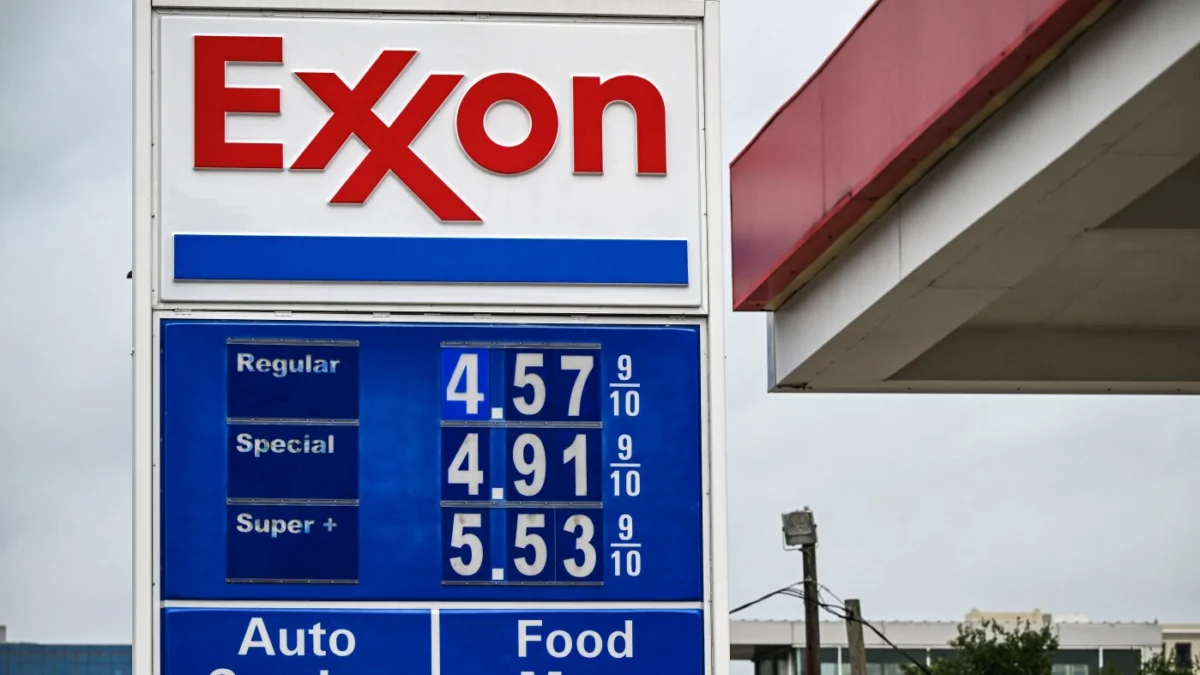
Inflation in April surged to its highest annual rate in nearly three years, driven significantly by a sharp increase in gasoline prices. The Consumer Price Index (CPI) rose 3.8% compared to the previous year, marking the most substantial yearly jump since May 2023. On a monthly basis, consumer prices climbed 0.6% from March to April, according to data released by the Labor Department.
The conflict involving Iran and its impact on global energy markets has been a primary catalyst for the inflationary pressures. Gasoline prices, in particular, have seen a dramatic rise, contributing substantially to the overall cost of living increase. The average price for a gallon of regular gasoline now stands at $2.50, an increase of 38 cents from the prior month, as reported by AAA.
Energy costs accounted for a significant portion of the monthly inflation rate. Specifically, the jump in energy prices was responsible for 40% of the overall CPI increase observed in April. This surge in fuel costs is not isolated to gasoline, with the price of diesel fuel also experiencing a notable climb of $1.88 per gallon since the commencement of the conflict.
The ripple effects of higher energy prices extend beyond direct fuel costs, impacting other sectors of the economy. Airfares, for instance, experienced a 2.8% increase in April alone, and are now over 20% higher than they were a year ago. This rise in air travel costs is attributed to the escalating prices of jet fuel, which airlines must contend with.
Furthermore, the sustained increase in diesel fuel prices could lead to upward pressure on the costs of goods and services that rely on transportation. Any product delivered via truck or train faces potential price hikes if these elevated fuel costs persist, affecting a wide range of consumer goods.
When volatile food and energy prices are excluded, the underlying inflation rate, often referred to as "core" inflation, showed a more moderate increase. Core inflation stood at 2.8% in April. This figure provides a view of inflation trends excluding the more erratic components of the CPI.
Beyond energy, housing costs also played a role in the overall inflation figures for April. Housing prices saw a 0.6% increase between March and April. However, a portion of this rise is influenced by statistical adjustments related to the government shutdown in the preceding fall.
During the October government shutdown, the inability of statistical agencies to collect housing price data for that month led to an artificial dampening of housing inflation figures. Consequently, the recent report reflects a form of statistical catch-up, incorporating data that was temporarily unavailable.
The upward trend in both energy and housing costs signals a challenging period for consumers, as essential expenses continue to climb. The combination of these factors has pushed the overall inflation rate to a level not seen in recent years, impacting household budgets across the nation.


