Inflationary pressures intensified in April, with consumer prices experiencing a notable increase largely influenced by the ongoing conflict in Iran and its subsequent impact on global energy markets. The Bureau of Labor Statistics (BLS) reported on Tuesday that the Consumer Price Index (CPI), a key measure of the cost of everyday goods and services, climbed by 0.6% compared to the previous month. On an annual basis, the CPI registered a 3.8% rise, marking the highest inflation rate observed since May 2023.
The monthly increase of 0.6% aligned with economists' expectations, as polled by LSEG. However, the annual inflation figure of 3.8% exceeded the consensus forecast of 3.7%. Core prices, which exclude the volatile components of energy and food to provide a clearer view of underlying inflation trends, also showed an uptick. These core prices rose by 0.4% month-over-month and by 2.8% year-over-year. Both of these core inflation metrics surpassed economists' predictions of 0.3% and 2.7%, respectively.
Economists have pointed to potential distortions in inflation data from December 2025 through April 2026. These distortions may stem from data collection challenges encountered during a 43-day government shutdown in the preceding fall. During this period, the BLS faced limitations in gathering real-time data, leading to the utilization of a carry-forward methodology to compensate for the absence of an October CPI report and incomplete data in November's report. Analysts suggest that this situation likely introduced a downward bias into inflation figures, which is expected to dissipate as fresh data becomes available this spring, thereby correcting the discrepancy.
Persistent high inflation has imposed significant financial strain on many U.S. households in recent years. Consumers are grappling with increased costs for essential items such as food and housing. These price increases disproportionately affect lower-income Americans, who allocate a larger portion of their income to necessities and possess less financial flexibility for savings.
Energy prices saw a substantial jump of 3.8% in April, a surge attributed to disruptions in Middle Eastern oil supplies caused by the Iran war. Over the past year, energy prices have escalated by 17.9%. The BLS highlighted that the energy index was responsible for more than 40% of the total CPI increase recorded in April, underscoring its significant role in the overall inflation picture.
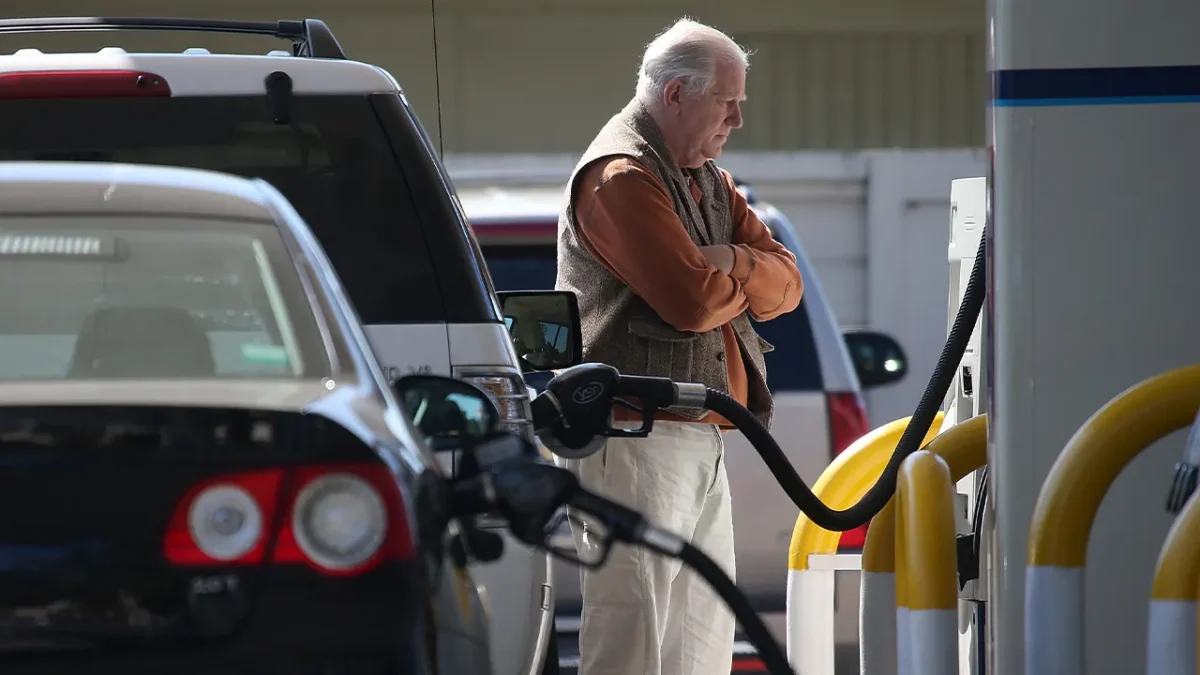
Within the energy sector, gasoline prices alone increased by 5.4% in April, contributing to an annual rise of 28.4% compared to the previous year. Electricity prices also climbed, rising 2.8% on a monthly basis and 6.1% year-over-year. In contrast, utility gas service prices experienced a slight decrease of 0.1% in April, though they remain 3% higher than a year ago.
Food prices continued their upward trend, increasing by 0.5% in April and showing a 3.2% rise from the same period last year. The cost of food purchased at home went up by 0.7% monthly and 2.9% annually. Food consumed away from home, such as at restaurants, saw a more modest increase of 0.2% in April, with prices 3.6% higher than a year prior.
Housing costs, a significant component of household budgets, rose by 0.6% in April, bringing the year-over-year increase to 3.3%. Rents and household insurance premiums also contributed to these costs, with tenants' and household insurance expenses up 0.1% for the month and 7.2% over the last year.
Transportation services experienced a monthly price increase of 0.3%, resulting in a year-over-year rise of 4.3%. A primary driver of this increase was a significant surge in airline fares, which climbed 2.8% in April and have risen 20.7% over the past twelve months.


