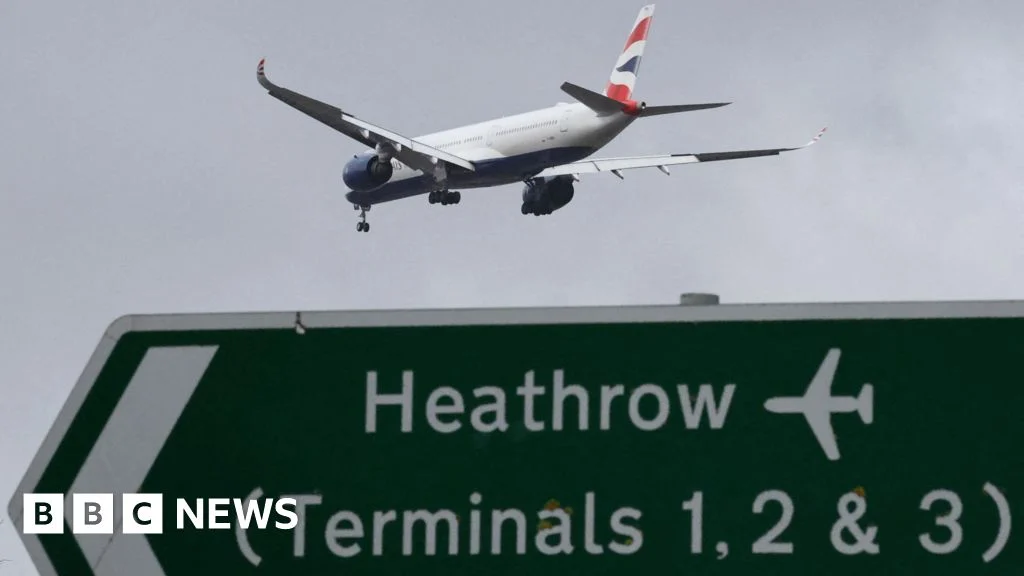
The Civil Aviation Authority (CAA), the UK's aviation regulator, is considering significant regulatory changes that could allow rival firms to compete with Heathrow Airport Limited (HAL) in developing its proposed third runway and new terminal. These proposals aim to control escalating construction costs and ensure that the expansion better serves the interests of consumers, airlines, and businesses. The move comes in response to concerns that HAL's ambitious £33bn development plan might lead to prohibitive cost increases for all stakeholders.
Businesses have been vocal in their criticism of the current regulatory framework, arguing that it makes Heathrow the most expensive airport globally. In response, the CAA is exploring four potential modifications to HAL's governance. These include implementing stricter oversight of the company's expenditures and introducing competitive tendering processes for key elements of the expansion project. One of the most significant proposals suggests allowing an independent developer to take charge of designing, financing, building, and operating a new terminal. Under such a model, this alternative developer could directly offer services to airlines and recoup their investment through airline fees, thereby creating direct competition with HAL.
This particular scenario hinges on a potential shift in government policy concerning airport expansion. Previously, in November, the government had indicated a preference for HAL's expansion plans over those put forward by the Arora Group, a hotel chain. HAL's proposal involves constructing a new runway measuring 2.2 miles (approximately 3.5 kilometers), which would necessitate the creation of a new road tunnel beneath the airport and the relocation of a section of the M25 motorway. In contrast, Arora Group's alternative plan featured a shorter runway with a reduced cost and did not require any alterations to the M25.
The CAA is now initiating a consultation period to gather feedback on its shortlist of potential regulatory changes. The government's objective is to reach a planning decision regarding Heathrow's expansion by 2029. If HAL's scheme proceeds as planned, it is projected to significantly increase the airport's capacity, accommodating up to 756,000 flights and 150 million passengers annually. This expansion is anticipated to boost economic growth and enhance connectivity.
Surinder Arora, chairman of the Arora Group, expressed enthusiasm for the CAA's consultation. He remarked that competition at Heathrow, which was not considered a possibility two years ago, is now a very real prospect due to the compelling arguments for change. He believes that introducing competition will drive efficiency and innovation in the development process.
A spokesperson for Heathrow Airport acknowledged the need for reforms that enhance efficiency, reduce bureaucratic hurdles, and maintain a steady flow of investment. However, the airport operator cautioned against any proposals that could jeopardize their efforts to improve the airport experience for consumers or impede the economic growth that the country requires. The company emphasized that Heathrow's standing as a leading global airport, known for its punctuality, is underpinned by substantial private investment and robust partnerships with airlines. They are committed to supporting reforms that align with these principles while ensuring the long-term viability and success of the airport.


